Living in a compact urban apartment often means treating every single square foot as precious real estate. When your living room doubles as a home office, dining nook, and entertainment hub, traditional decorating rules simply do not apply. Designing a small footprint requires looking past conventional layouts and embracing clever strategies that trick the eye, elevate your storage capacity, and preserve visual breathing room. Whether you are dealing with awkward architectural corners, low ceilings, or minimal floor space, thoughtful planning can turn spatial constraints into an intentional design feature.
The secret to a successful small apartment living room lies in balance. You want a space that feels deeply personal and inviting rather than cluttered or cramped. By focusing on multi-purpose elements, strategic vertical scaling, and reflective optical illusions, you can dramatically shift how your room functions. The following design hacks offer actionable, renter-safe solutions designed to maximize your living area without requiring a costly renovation or sacrificing your personal design aesthetic.
Prioritize Multi-Functional and Modular Furniture
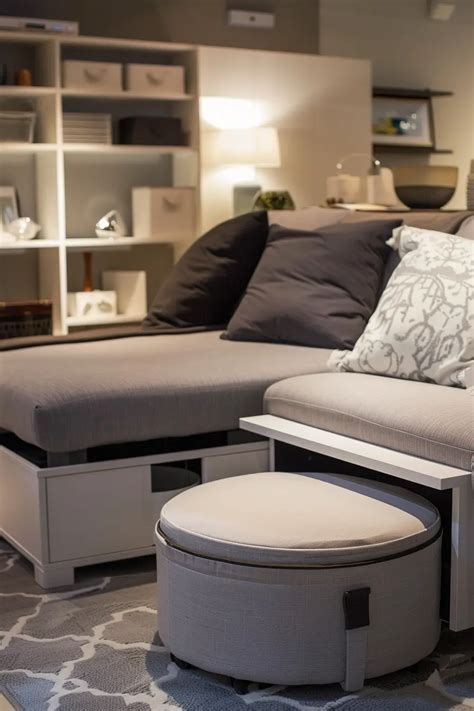
When floor space is severely limited, every furnishing needs to earn its keep by serving more than one purpose. Traditional oversized sectionals and bulky coffee tables often swallow up precious square footage, leaving little room to move comfortably. Instead, look toward modular sectionals with built-in chaise storage, nesting tables that tuck away neatly when not in use, and ottomans that double as hidden compartments for extra throw blankets and board games.
Another brilliant option for small apartments is the convertible console table or a drop-leaf coffee table that can expand when you host guests and fold flat during daily routines. When shopping for these pieces, prioritize exposed legs rather than heavy, skirted silhouettes. Furniture that lifts off the floor allows light to pass underneath, tricking the eye into perceiving a much larger floor area and preventing the room from feeling heavy or visually blocked.
Embrace Vertical Real Estate and Wall Mounting
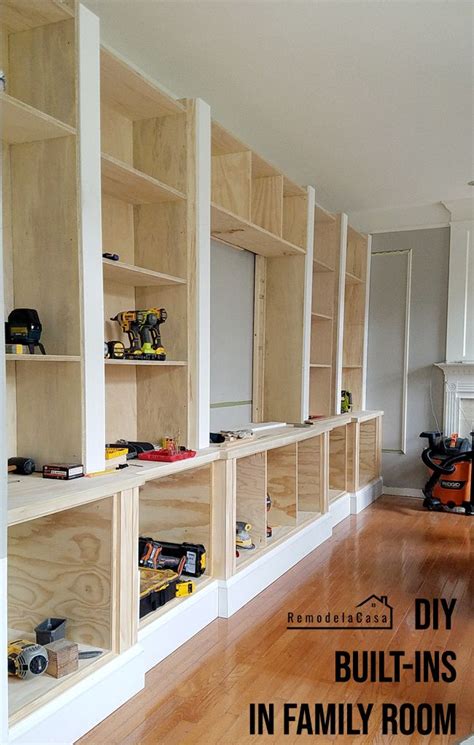
Floor space is finite, but vertical walls offer an abundance of untapped potential that many apartment dwellers overlook. Shifting your focus upward draws the eye toward the ceiling, making the room feel taller and more expansive. Install floating shelves high on the walls to house books, trailing plants, and sculptural accents, keeping your floor completely clear of bulky bookcases that eat up lateral space.
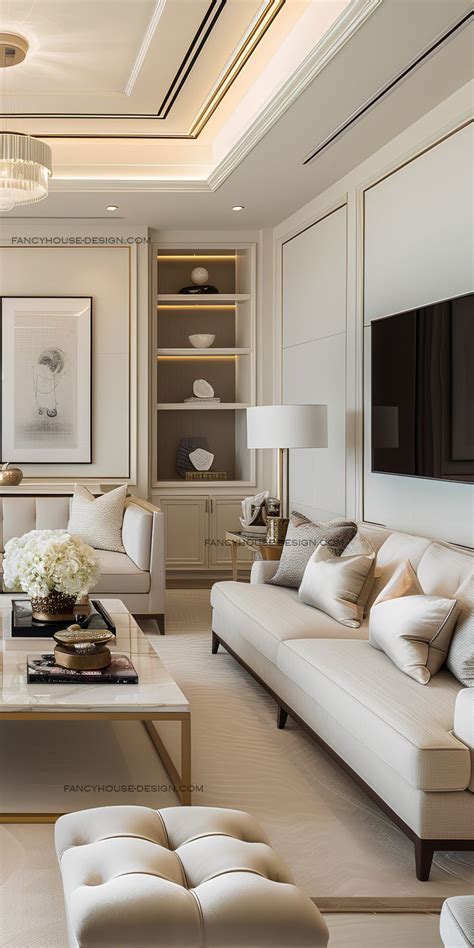
For renters who want to avoid permanent wall damage, tension-rod shelving systems or heavy-duty adhesive wall mounts provide fantastic alternatives that still allow you to utilize verticality. Additionally, consider mounting your television directly to the wall and floating a slim media console underneath. This eliminates the need for a wide TV stand and opens up valuable floor channels for foot traffic or an extra accent chair.
Use Optical Illusions with Mirrors and Strategic Lighting
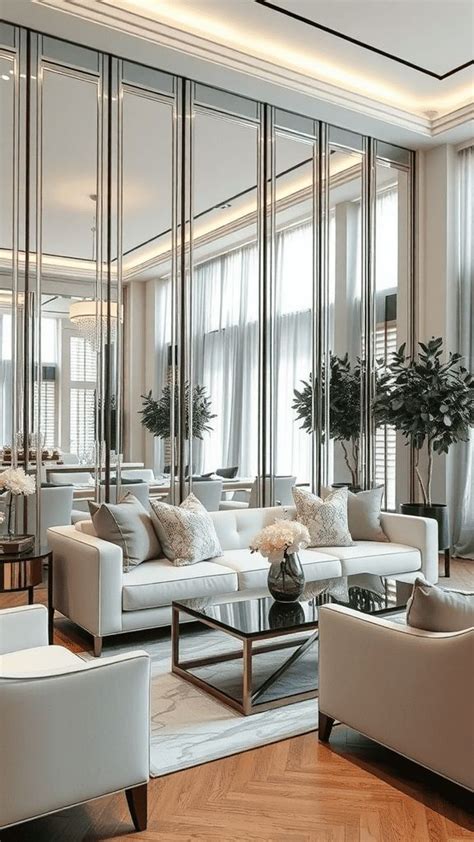
One of the oldest tricks in interior design is the strategic placement of mirrors to bounce natural light around a room and double the perceived visual depth. Placing a large, floor-length mirror opposite a window captures incoming daylight and projects it deep into darker corners of the apartment. If your living room lacks abundant windows, a grid of smaller mirrors or a statement arched mirror can create a similar illusion of an expanded spatial envelope.
Lighting layers also play a crucial role in shaping the atmosphere of a compact space. Relying solely on a harsh overhead flush-mount fixture can cast unflattering shadows and make a small room feel boxed in. Instead, combine floor lamps that cast light upward, dimmable wall sconces that require no hardwiring, and warm table lamps. Eliminating dark corners visually pushes the walls outward, making the entire apartment feel airier and more open.
Maintain a Cohesive, Light Color Palette with Subtle Textures
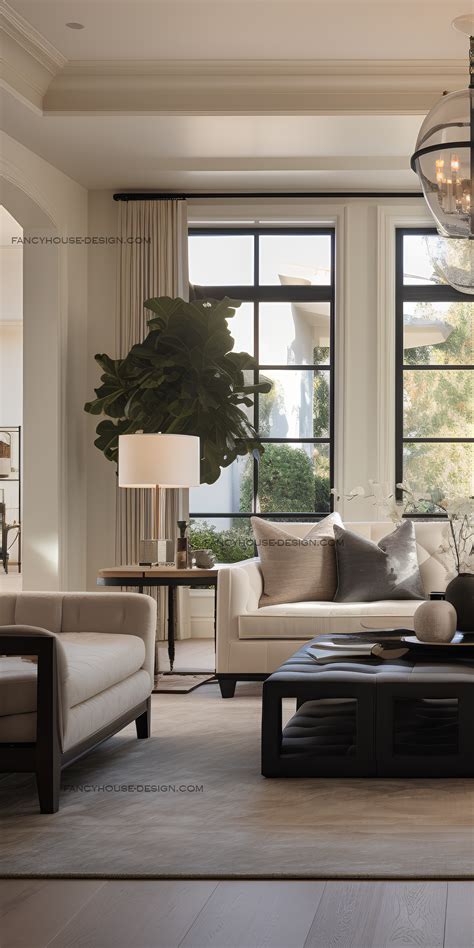
Color choice heavily dictates how spacious or suffocating a room feels. Deep, saturated jewel tones can look moody and dramatic, but in a tiny living room, they often absorb light and shrink the perceived boundaries of the space. Sticking to a neutral foundation of crisp whites, warm soft grays, beige, or pale taupe creates a seamless backdrop that reflects maximum light and unifies different functional zones.
To prevent a neutral palette from feeling sterile or flat, introduce warmth through tactile layers rather than heavy patterns. Incorporate boucle accent chairs, linen throw pillows, woven jute rugs, and natural wood accents. These organic textures add visual depth and sophisticated comfort to the room without overwhelming the eye, ensuring your compact living area remains serene, uncluttered, and effortlessly stylish.
Frequently Asked Questions
How can I make my small apartment living room look bigger?
To make a small living room look bigger, focus on maximizing natural light, using large mirrors, and choosing furniture with exposed legs that allow light to pass underneath. Keeping your color palette light and neutral, minimizing clutter, and utilizing vertical wall space for storage will also prevent the room from feeling cramped.
What furniture works best in a tiny living room?
Multi-functional and modular furniture works best in compact spaces. Look for storage ottomans, nesting coffee tables, drop-leaf tables, and streamlined sofas with slim profiles. Avoid oversized, bulky furniture that blocks walkways and disrupts the natural flow of the room.
How do I maximize vertical space in a rental apartment?
Renters can maximize vertical space by utilizing over-the-door organizers, tension-rod shelving, leaning ladder shelves that require minimal wall anchoring, and tall vertical art pieces that draw the eye upward. Command-strip hanging systems and freestanding vertical plant stands are also renter-friendly choices.
What are some clever hidden storage ideas for small spaces?
Clever hidden storage includes hollow storage ottomans, beds or seating with pull-out drawers underneath, coffee tables with lift-tops that conceal laptops and remotes, and decorative baskets tucked into open shelving units to keep everyday clutter out of sight.