Designing a compact apartment living room requires a careful balance between aesthetic desires and physical limitations. When square footage is tight, every single piece of furniture and decor element must earn its place by offering either exceptional utility, visual lightness, or both. Rather than letting spatial restrictions dictate a cluttered or uninspired environment, you can use intentional layout planning and clever design tricks to unlock the hidden potential of your room.
Successful small-space decorating is rarely about deprivation or stripping a room of its personality. Instead, it relies on smarter proportions, versatile furnishings, and a disciplined approach to organization. Whether you are working with a rental that limits permanent alterations or an owned space that simply lacks breathing room, thoughtful adjustments can dramatically improve both the functionality and the overall ambiance of your main gathering area.
Prioritize Multi-Functional Furniture Solutions
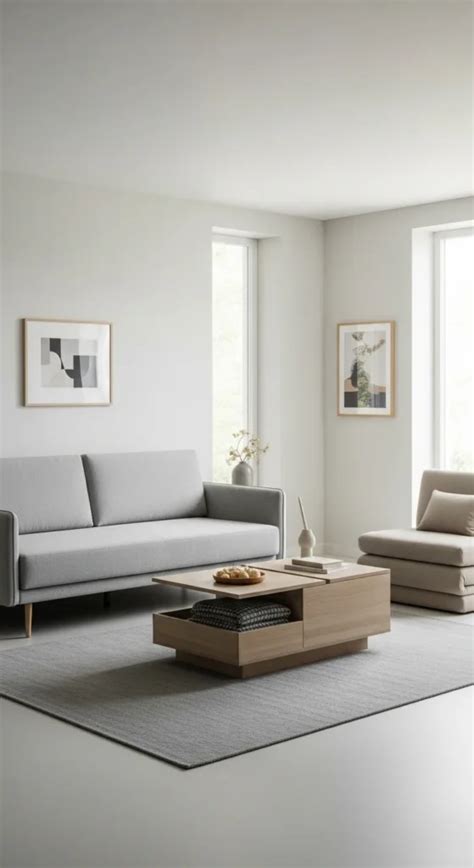
The foundation of any successful small living room layout is furniture that serves more than one purpose. Traditional oversized sectionals and bulky entertainment centers often overwhelm compact footprints, leaving little room to move comfortably. Swapping these out for streamlined alternatives, such as an ottoman with hidden interior storage or a coffee table that lifts into a dining or work surface, immediately increases the utility of the room without adding visual clutter.
When shopping for multi-functional items, scale and proportion remain crucial considerations. A sleek sofa with exposed legs allows light to pass underneath, making the entire floor area appear more expansive than a heavy, floor-length piece would allow. Modular seating arrangements also provide incredible flexibility, allowing renters and homeowners to easily reconfigure their layout when hosting guests or shifting from everyday relaxation to productive work-from-home setups.
Harness Vertical Space and Floating Storage
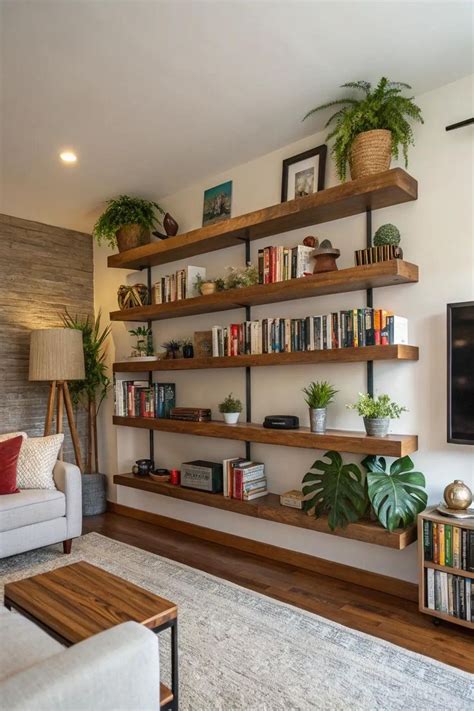
Floor space is a precious commodity in any apartment, which means your walls offer the most promising territory for expansion. Installing wall-mounted shelving units, floating media consoles, and tall bookcases draws the eye upward and prevents the floor from becoming congested with storage bins and knick-knacks. This vertical approach not only keeps your belongings organized but also emphasizes the room’s ceiling height.
For renters concerned about wall damage, tension-rod shelving systems or heavy-duty adhesive mounting strips provide clever, damage-free alternatives to traditional drilling. When arranging items on these vertical shelves, mix functional storage baskets with carefully curated decorative objects. Maintaining a balance between closed storage that hides visual noise and open display areas prevents the walls from looking heavy or chaotic.
Create Optical Illusions with Light and Scale

Strategic design choices can fundamentally alter how the physical dimensions of a room are perceived by the human eye. Large mirrors placed directly across from windows act as instant space multipliers, bouncing natural daylight deep into the apartment and blurring the boundaries of tight corners. Layered lighting—combining ambient overhead fixtures with targeted task lamps and warm floor lighting—further eliminates dark shadows that make small rooms feel enclosed.
Color palette selection plays an equally vital role in managing spatial perception. While stark white walls are a classic choice for reflecting light, soft neutral tones with warm undertones, muted sages, or subtle taupes can add depth and coziness without shrinking the room. Keeping window treatments light and airy, using sheer linen panels hung near the ceiling line rather than the window frame, draws the eye upward and creates an illusion of grand architectural scale.
Frequently Asked Questions
How can I arrange furniture in a small apartment living room to maximize space?
Start by floating your main seating arrangement slightly away from the walls rather than pushing every piece against the perimeter. This creates a cozy, purposeful conversation area and improves overall traffic flow. Keep major pathways clear of sharp furniture corners, and choose low-profile pieces that do not block sightlines across the room.
What types of multi-functional furniture work best in tight living areas?
Storage ottomans, nesting tables, convertible sleeper sofas, and coffee tables with adjustable lift-tops are exceptional choices. These pieces adapt to your daily routines, giving you hidden storage for blankets and electronics while providing flexible surfaces for dining or working.
How do I make a cramped living room look bigger without remodeling?
Maximize natural light by keeping windows unobstructed, hang large mirrors to reflect illumination, and utilize vertical wall storage to free up floor space. Sticking to a cohesive, restrained color palette and opting for furniture with exposed legs will also make the room feel significantly more open and airy.


