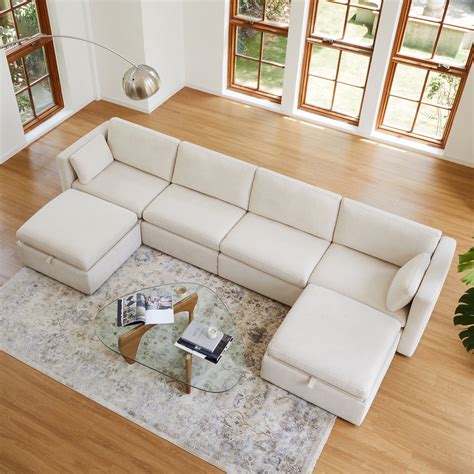
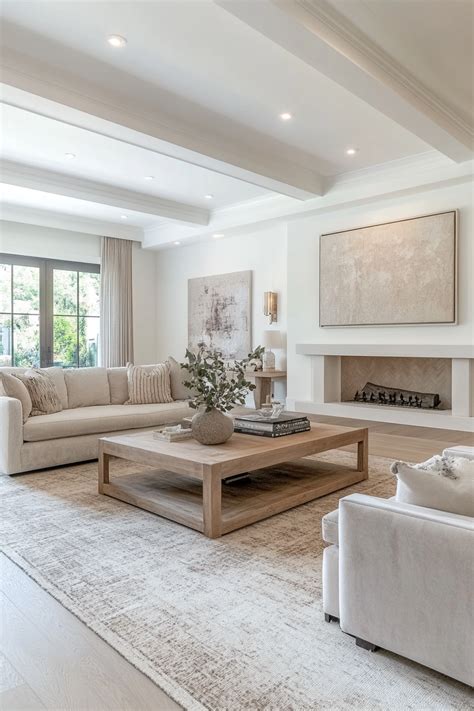
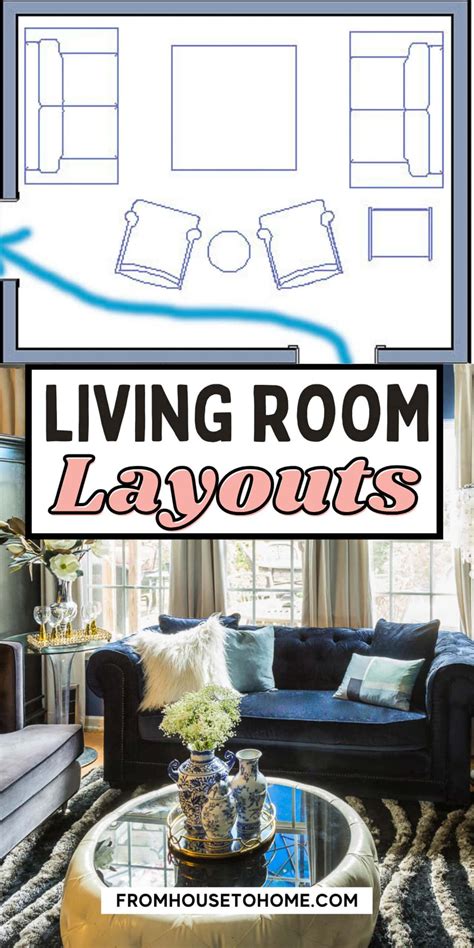
Balancing aesthetic appeal with everyday practicality is one of the greatest challenges in modern interior design. In many American homes, the living room serves multiple functions—acting as an entertainment hub, a home office, a relaxation zone, and sometimes a play area for children. This multi-use reality often leads to accumulated clutter, from remote controls and charging cords to laptops and cozy throw blankets. Fortunately, integrating versatile living room tables with smart storage solutions offers a seamless way to reclaim your floor plan without compromising on interior style.
Choosing the right furniture piece requires looking past standard surface areas and evaluating how internal mechanics, hidden compartments, and modular designs can work for your household. Whether you reside in a compact urban apartment or a spacious suburban open-concept home, the right storage table acts as a quiet workhorse. It conceals daily disorder while anchoring your seating arrangement with cohesive design.
Understanding the Landscape of Multi-Functional Living Room Tables
The market for living room tables has evolved far beyond the static wooden slab placed in front of a sofa. Today’s innovative designs prioritize adaptability, offering solutions tailored to specific spatial constraints and storage needs. By understanding the core categories available, homeowners and renters can pinpoint the exact furniture style that aligns with their daily routines and layout requirements.
Different table configurations solve distinct clutter challenges. For instance, households dealing with a shortage of surface space during movie nights will benefit from entirely different configurations than those struggling to find a home for bulky living room textiles. Reviewing the available options ensures you invest in a piece that delivers long-term utility rather than temporary convenience.
Lift-Top Coffee Tables for Work and Concealed Storage
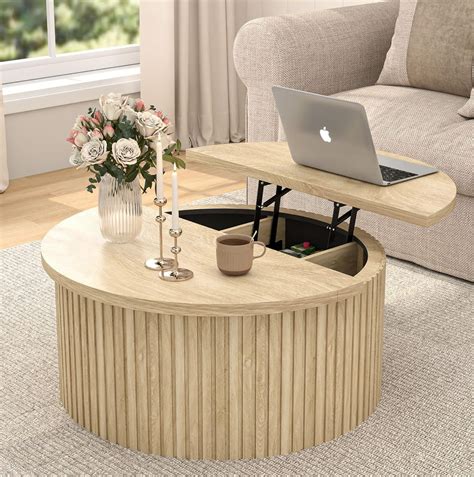
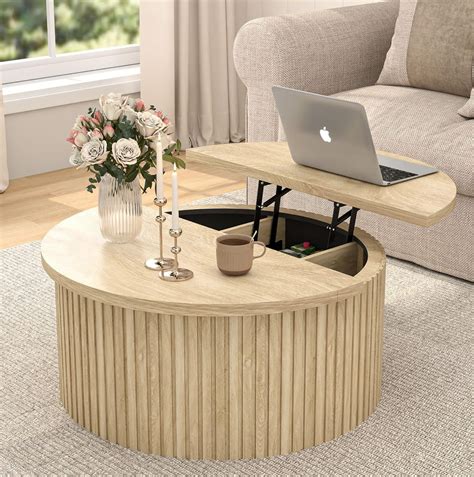
Lift-top coffee tables feature a hinged mechanism that elevates a portion of the tabletop toward the user, creating a comfortable surface for typing on a laptop or eating a casual meal. Beneath this movable platform lies a deep, hidden cavity ideal for storing board games, extra pillows, or electronics. When evaluating lift-top models, mechanical durability is paramount. Heavy-duty steel gas springs or balanced spring-lift mechanisms provide smoother operation and greater longevity than basic friction hinges.
The trade-off with lift-top designs is their visual weight. Because they incorporate robust internal hardware and thicker construction to support elevated loads, these tables often look more substantial than minimalist glass or wire-frame alternatives. Homeowners must balance their need for hidden storage capacity against the desired visual lightness of the room, ensuring the piece complements surrounding upholstery rather than overpowering it.
Nesting Tables for Flexible Surface Area
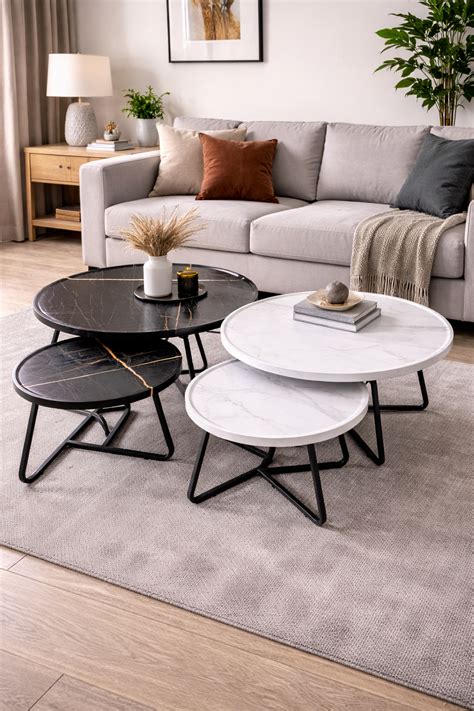
Nesting tables consist of two or three individual scaled pieces that tuck neatly underneath one another when not in use. This design is exceptionally beneficial for smaller living rooms where a large, permanent center table would obstruct traffic flow. When guests arrive or extra workspace is required, the smaller secondary tables can be pulled out and positioned beside chairs or sectionals to hold drinks and books.
While nesting tables rarely offer enclosed storage compartments, their primary smart utility lies in spatial elasticity. Material selection heavily dictates their durability and style footprint. Metal frames with stone or engineered wood tops offer contemporary industrial resilience, whereas solid wood versions bring warmth to transitional and traditional spaces. Maintenance typically involves simple surface dusting, though care should be taken to protect nested joints from scratching during frequent movement.
C-Tables and Side Units with Integrated Pockets
C-tables are engineered to slide directly over the arm or base of a sofa, bringing the tabletop close to the user without requiring a bulky footprint. Modern variations frequently incorporate smart vertical storage, such as built-in side magazine racks, fabric pouches for tablets, or integrated USB charging ports. These compact additions maximize unused vertical space immediately adjacent to primary seating areas.
These tables excel in minimalist settings where floor space is at an absolute premium. However, their load capacity is naturally limited compared to traditional coffee tables. They are best utilized as personal auxiliary stations rather than primary storage vaults for heavy household items.
Key Features to Look for in Smart Storage Furniture
Investing in versatile living room furniture requires looking beneath the surface finish to assess structural integrity and engineering quality. A table that looks sophisticated in a showroom must also withstand the rigors of daily household traffic, accidental spills, and repeated mechanical movement. Prioritizing specific construction markers ensures your purchase remains functional and attractive for years to come.
Hardware quality separates exceptional multi-functional furniture from short-lived novelties. Look for reinforced joints, durable drawer slides, and rust-resistant metal mechanisms on moving parts. Additionally, evaluate the core materials used in construction. Solid hardwoods and high-grade veneers offer superior impact resistance compared to lightweight particle board, especially around high-impact table edges and corners.
Ease of assembly and everyday maintenance should also factor into your decision-making process. Many storage tables ship flat-packed, requiring home assembly with basic tools. Reading through manufacturer assembly guides or checking hardware pre-installation status can prevent unexpected frustration. Furthermore, consider how daily cleaning routines will interact with the table’s finish; scratch-resistant laminates and sealed woods handle household cleaning products with far greater resilience than delicate, unsealed surfaces.
How to Choose the Right Table Size and Shape for Your Layout
Successful room design relies heavily on scale and proportion. Even the most clever storage table will disrupt a room if it violates fundamental spatial guidelines. Before selecting a table, measure your living room’s clear walking paths, ensuring there is a comfortable eighteen to twenty-four inches of space between the edge of the coffee table and your sofa or media console.
The shape of your table should harmonize with your existing upholstery layout. Rectangular tables naturally complement standard three-seater sofas and elongated room dimensions, whereas round or oval storage ottomans and tables soften the hard lines of large sectional configurations while improving safety in households with young children. Square tables work exceptionally well in symmetrical arrangements but require ample square footage to avoid making traffic lanes feel cramped.
Styling Tips to Keep Storage Tables Looking Chic and Uncluttered

The ultimate test of a storage-focused living room table is how it looks when it is not actively in use. Because these tables often feature thicker profiles or multi-tiered designs, styling them with intentionality prevents the furniture from feeling visually heavy or messy. Apply the rule of thirds for tabletop accessories, combining items of varying heights, textures, and materials such as a ceramic tray, a stack of art books, and a low-profile decorative bowl.
Avoid overcrowding the surface with too many knick-knacks, which defeats the purpose of having a clean, functional living space. Utilize the internal compartments or lower shelves of your table to house items that would otherwise clutter the room, leaving the tabletop breathable and visually inviting. By maintaining this disciplined balance between hidden storage and surface minimalism, your versatile table will serve as both a practical organizer and a stunning decorative focal point.
Frequently Asked Questions
What are the best types of living room tables for small spaces?
Nesting tables and slim C-tables are ideal for small spaces because they can be tucked away or slid over sofa arms to minimize their footprint while providing flexible surface area.
How do lift-top coffee tables work and are they durable?
Lift-top tables use a spring-loaded or gas-piston mechanical hinge system that elevates the tabletop. They are generally very durable if constructed with heavy-duty steel hardware and solid wood or reinforced composite frames.
How can I prevent a storage coffee table from looking too bulky?
Choose designs with tapered legs that elevate the body off the floor, allowing light to pass underneath. Style the surface minimally with a few curated objects rather than covering the entire tabletop.