Furnishing a home or apartment in the United States often feels like an expensive balancing act. Between rising living costs and the temptation of poorly made fast-furniture, finding pieces that are both durable and budget-friendly requires a clear roadmap. Rather than relying solely on standard clearance sales or coupon codes, savvy shoppers utilize a combination of seasonal timing, alternative retail channels, and smart negotiation tactics to stretch their dollars.
Successfully outfitting your space without breaking the bank means understanding how the American retail furniture industry operates behind the scenes. From manufacturer inventory cycles to regional clearance hubs, numerous hidden opportunities exist for buyers willing to look beyond the main showroom floor. Implementing these structured strategies helps ensure you purchase high-quality pieces that stand the test of time while keeping your bank account intact.
Mastering the U.S. Furniture Retail Calendar

Timing your furniture purchases is perhaps the single most effective way to secure deep discounts without compromising on quality. Major U.S. furniture manufacturers typically release new inventory lines twice a year, usually in February and August. As a result, traditional furniture showrooms and online retailers launch aggressive clearance events to clear out older floor models and warehouse stock right before the new collections arrive.
Long holiday weekends also present reliable windows for substantial savings. Events tied to Presidents’ Day in February, Memorial Day in May, Labor Day in September, and Black Friday in November consistently feature competitive promotions. However, patience remains essential; purchasing a sectional sofa or dining set during an off-peak month without a sale can cost hundreds of dollars more than waiting for the retail industry’s natural markdown cycles to align.
Exploring Outlet Stores, Liquidators, and Regional Distribution Hubs
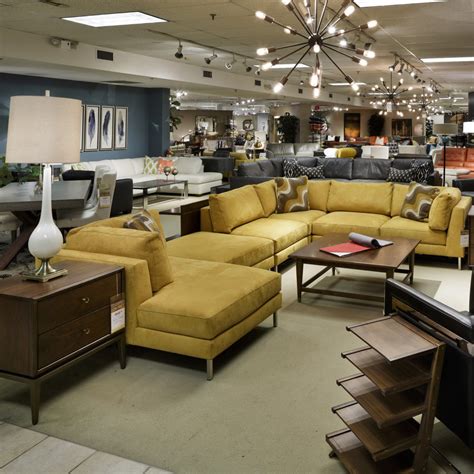
Beyond standard neighborhood storefronts, the U.S. market features an extensive network of furniture outlet stores, factory liquidators, and regional distribution centers. These locations frequently house overstock items, canceled custom orders, and minor cosmetic factory seconds that are sold at a fraction of their original retail price. Visiting a manufacturer-owned outlet center often reveals solid wood construction and reputable brands heavily discounted simply because the packaging was damaged in transit.
Scratch-and-dent sections and clearance corners within large regional showrooms also deserve a close look. A dining chair with a barely noticeable scratch on the rear leg or a sofa with a minor fabric snag can yield savings of forty to sixty percent. Before purchasing, always inspect the structural integrity of the piece to ensure that the markdown is due to surface aesthetics rather than compromised hardware or foundational weakness.
Smart In-Store Negotiation Tactics for Traditional Showrooms

Many consumers assume that furniture prices inside brick-and-mortar showrooms are strictly fixed, but the retail furniture industry operates with generous profit margins that allow for considerable negotiation. When visiting a showroom, sales associates frequently have the authority to bundle delivery fees, throw in accent pillows, or drop the subtotal by ten to fifteen percent to close a sale on the spot, especially near the end of the month when sales quotas loom.
Approaching negotiations with politeness, preparation, and documented price comparisons from competing retailers yields the best outcomes. Rather than demanding a drastic markdown, ask the associate if there is any flexibility on the total package price or if they can waive expensive delivery and assembly fees. Securing free white-glove delivery can easily save you over one hundred dollars, effectively functioning as an immediate cash discount on your final bill.
Navigating Financing Offers and Avoiding Hidden Fees
Zero-interest promotional financing can be a helpful tool for managing cash flow when purchasing large ticket items like mattresses or living room sets. Major U.S. furniture chains frequently advertise promotions such as twelve to thirty-six months with zero interest. However, reading the fine print is critical; many of these programs rely on deferred interest structures, meaning that if the balance is not paid in full by the final promotional day, interest is retroactively calculated from the original purchase date at high annual percentage rates.
Furthermore, buyers must account for hidden fulfillment expenses that inflate the final total. Delivery fees, mandatory protection plans, regional taxes, and steep restocking charges for returned items can quickly turn a budget-friendly purchase into an expensive mistake. Always calculate the out-the-door price including all auxiliary charges before committing to any retail financing contract or signing a purchase order.
Frequently Asked Questions
When are the best months of the year to buy new furniture on sale in the U.S.?
The best months to purchase new furniture are typically February and August, which immediately precede the introduction of new manufacturer inventory lines. Major U.S. holiday weekends such as Presidents’ Day, Memorial Day, Labor Day, and Black Friday also offer reliable promotional markdowns across most major retailers.
Are furniture outlet stores and scratch-and-dent sections worth buying from?
Yes, furniture outlets and clearance centers are worth exploring because they offer high-end brands and solid construction at deep discounts. These markdowns are usually driven by minor cosmetic flaws, overstock inventory, or canceled orders rather than structural defects, provided you thoroughly inspect the item before purchasing.
Can you actually negotiate prices at traditional furniture showrooms?
Negotiation is common and often successful in traditional furniture showrooms. Sales associates frequently have the discretion to lower prices, waive costly delivery fees, or bundle accessories to secure a sale, particularly near the end of the month when meeting sales targets is a priority.
What should I watch out for when using furniture store financing?
You should carefully check for deferred interest clauses that apply retroactively if the balance is unpaid by the promotional deadline. Additionally, always factor in hidden costs such as delivery fees, assembly charges, and restrictive return policies that can increase your total spending.