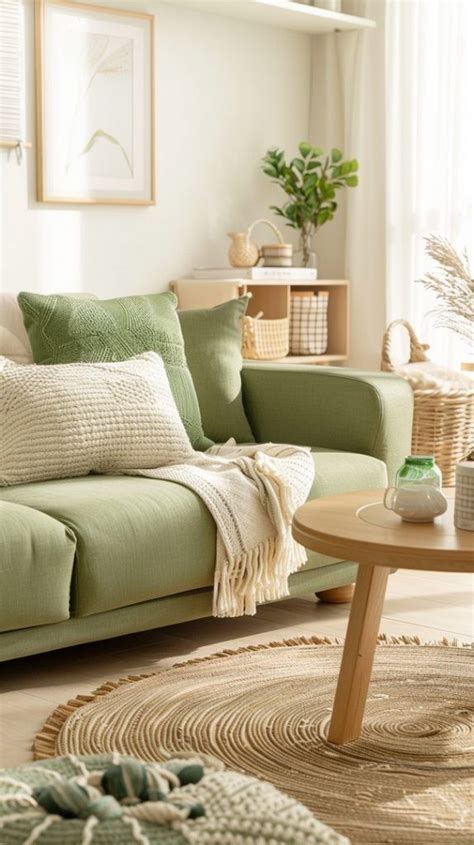
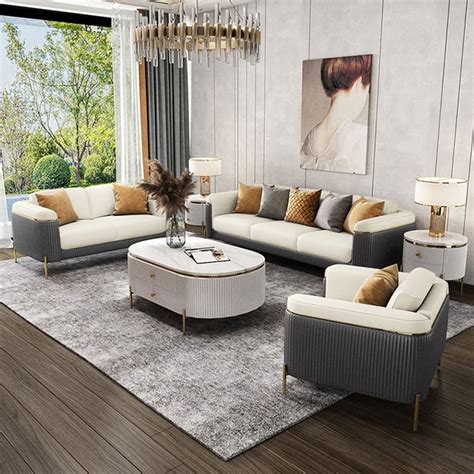
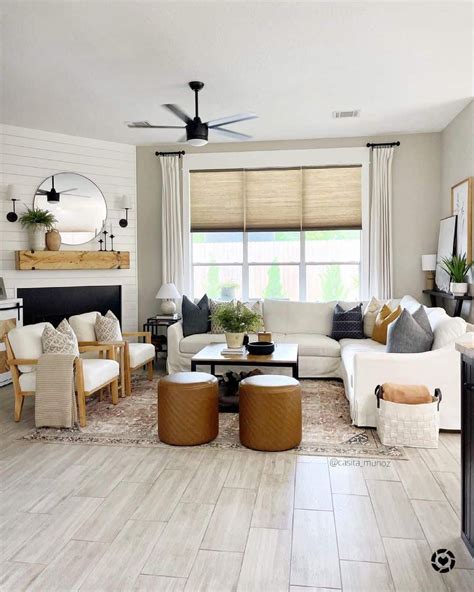
Living in a U.S. studio apartment presents a unique set of design challenges, primarily centered on balancing multiple functional needs within a single, open-plan footprint. When your living room also serves as your bedroom, home office, and dining space, every square inch counts. Rather than feeling confined by tight dimensions, thoughtful design choices can transform a compact layout into an efficient, stylish sanctuary. Implementing targeted apartment living room enhancements helps bridge the gap between aesthetic appeal and everyday utility without requiring major architectural overhauls.
For renters and homeowners alike, successful small-space living relies on intelligent furniture placement, strategic vertical organization, and clever visual tricks that expand the perceived boundaries of the room. By focusing on multi-purpose elements and avoiding common clutter traps, you can establish clear living zones that make your home feel intentional rather than cramped. Here are ten practical enhancements specifically curated to optimize U.S. studio apartment living rooms.
1. Invest in Multi-Functional Furniture
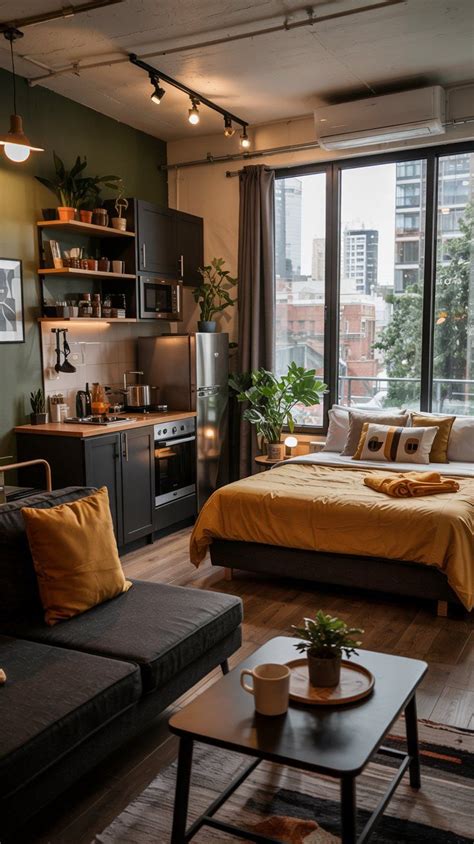
In a studio apartment, traditional single-use furniture consumes valuable floor area that you cannot afford to waste. Choosing pieces that perform dual functions—such as an ottoman with hidden storage, a lift-top coffee table that doubles as a workspace, or a modular sofa bed—drastically reduces clutter while maintaining everyday comfort. Look for low-profile frames that keep sightlines open, preventing the room from feeling blocked or heavy.
When shopping for multi-functional items, prioritize pieces that scale appropriately with your room dimensions. Oversized sectionals often overwhelm narrow apartment layouts, whereas apartment-sized sofas paired with versatile accent stools offer greater flexibility. This adaptability allows you to easily reconfigure your living room when hosting guests or shifting your daily routine.
2. Leverage Vertical Space and Renter-Friendly Wall Storage
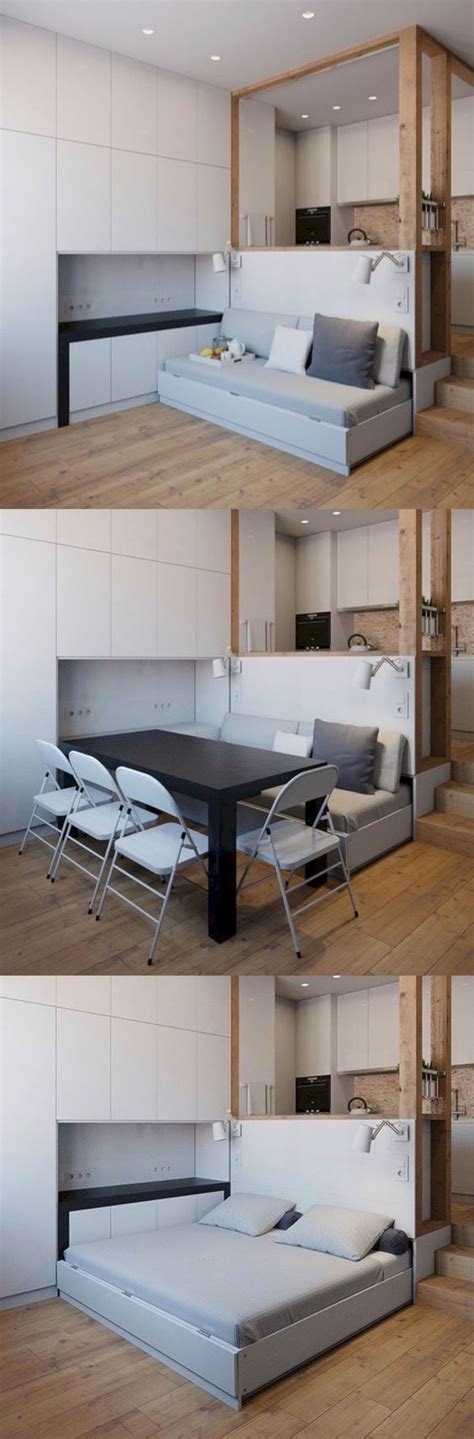
Standard U.S. apartment layouts frequently suffer from a shortage of built-in closets, forcing residents to look upward for storage solutions. Installing wall-mounted shelving, floating ledges, and tall bookcases draws the eye toward the ceiling, creating an illusion of height while keeping the floor clear. For renters concerned about security deposits, heavy-duty adhesive strips and tension-mounted shelving units offer secure alternatives to drilling holes.
Utilizing vertical areas also extends to hanging items like bicycles, mirrors, and art collections. By stacking frames vertically rather than spreading them horizontally, you create gallery-style focal points that make compact walls feel grander. Ensure that heavier items are anchored safely into wall studs or installed using rated drywall anchors to maintain structural integrity.
3. Define Distinct Zones Using Area Rugs

Without interior walls, defining where the living room begins and ends can be difficult in an open-plan studio. Placing a distinct area rug under your seating arrangement physically and visually anchors the living space, separating it from the adjacent sleeping or kitchen zones. This simple textile layering technique creates psychological boundaries that make a studio apartment feel more organized and expansive.
When selecting a rug, choose a size large enough for at least the front legs of your sofa and armchairs to rest upon it. Undersized rugs tend to fragment the floor space, making the room feel smaller and disjointed. Opt for durable, easy-to-clean fibers that withstand high foot traffic while complementing your broader color scheme.
4. Maximize Natural Light with Strategic Mirror Placement
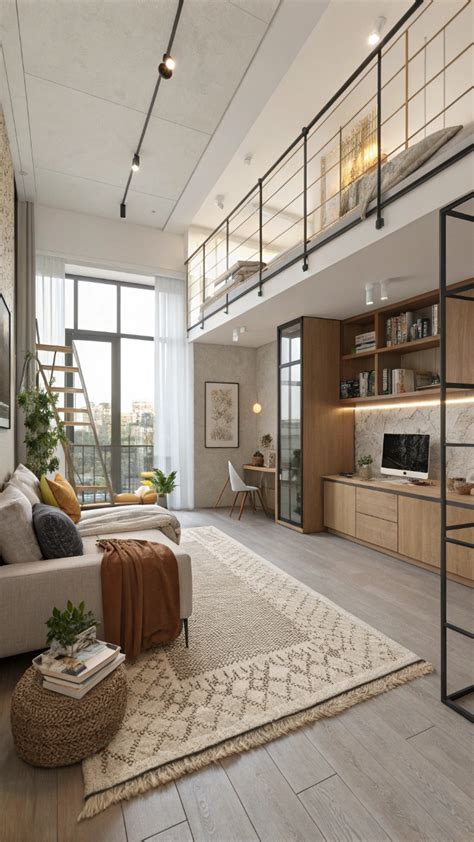
Light is one of the most powerful tools for altering how spacious a room feels. Positioning a large floor mirror or a series of wall mirrors directly opposite a window bounces natural daylight deep into the apartment, instantly brightening dark corners and expanding the visual boundaries of the room. This classic interior design trick is especially effective in urban studio apartments that may only feature windows on a single exterior wall.
Consider the frame style and finish when choosing mirrors for your living room. Slim metal or frameless designs offer a modern, clean look that minimizes visual weight, while ornate wood frames can add architectural character to otherwise plain rental walls. Keep surrounding decor minimal to let the reflected light remain the primary focal point.
5. Embrace a Cohesive, Light Color Palette
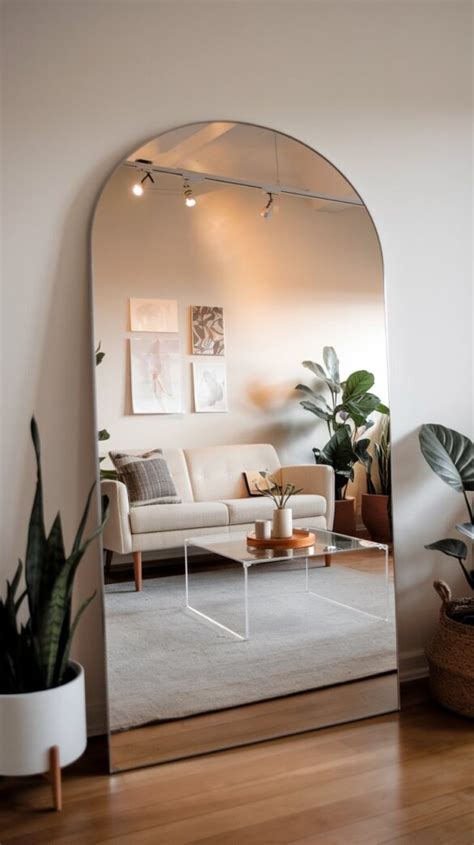
Dark, heavy paint colors and saturated patterns can absorb light and make a compact studio living room feel enclosed. Sticking to a cohesive, light color palette—such as warm whites, soft grays, beige, or muted pastel undertones—reflects ambient light and creates a seamless flow across your open-concept living area. You can introduce deeper accent colors through easily swappable textiles like throw pillows, blankets, and curtains.
To prevent a neutral palette from feeling sterile, focus on mixing various textures such as linen, bouclé, wood, and brushed brass. This tactile layering adds depth and visual interest without overwhelming the limited square footage. Keeping walls and large furniture pieces unified in lighter tones also prevents visual clutter.
6. Swap Heavy Drapes for Sheer Window Treatments
Heavy velvet or thick blackout drapes can block precious daylight and make small apartment windows feel heavy and imposing. Replacing them with lightweight linen or sheer cotton panels softens incoming sunlight while maintaining privacy from neighboring buildings. Hang your curtain rods a few inches below the ceiling line and extend them past the window frame to create the illusion of larger, grander windows.
If you require light control for sleeping areas in an open studio layout, consider layering sheer curtains with discreet roller shades rather than relying on bulky drapery. This combination gives you the flexibility to flood your living space with daylight during the day while maintaining privacy and darkness when needed.
7. Implement Minimalist Decor and Intentional Decluttering
In a small living room, every decorative object has an amplified visual impact. Adopting a curated minimalist approach means displaying only items that serve a functional purpose or bring genuine joy, effectively stopping clutter before it accumulates on tabletops and counters. Utilize closed storage baskets and media consoles to tuck away everyday essentials like remotes, chargers, and paperwork.
Before bringing new decor items into your studio apartment, practice a “one in, one out” rule to prevent spatial overcrowding. Focus on quality over quantity by selecting a few statement pieces—such as a sculptural ceramic vase or a striking piece of wall art—rather than scattering numerous small trinkets across every surface.
8. Utilize Floating Media Consoles and Wall-Mounted TVs
Traditional entertainment centers occupy a massive footprint, taking up valuable floor space that could otherwise accommodate seating or storage. Mounting your television to the wall and pairing it with a slim, floating media console frees up the floor underneath, making the room feel noticeably larger and airier. This setup also provides a clean, modern aesthetic that suits contemporary apartment living.
When mounting a TV in a studio apartment, ensure it is positioned at a comfortable viewing height from your primary seating area. Use cord-management channels or paintable cable covers to hide unsightly wires, maintaining the sleek and orderly look essential for small-space living.
9. Incorporate Transparent and Reflective Furniture
Acrylic, glass, and polished metal furniture pieces possess a unique visual transparency that allows light to pass right through them. Using a clear acrylic coffee table or ghost chairs in your studio living room creates the illusion of empty floor space, keeping the environment feeling light and uncluttered even in tight quarters.
These pieces function exceptionally well in narrow apartments where solid wood furniture might block sightlines and make the room feel cramped. Balance transparent items with softer, textured elements like upholstered seating to ensure the space remains warm and inviting rather than cold.
10. Introduce Sliding Room Dividers or Curtains
When you need physical separation between your living room and bedroom areas without undertaking permanent construction, flexible room dividers offer an ideal solution. Hanging ceiling-track curtains or utilizing folding shoji screens allows you to enclose your sleeping quarters when guests visit or create a private home office nook during the workday.
These temporary dividers provide the versatility modern studio dwellers require, adapting to your lifestyle changes throughout the week. Choose divider styles that harmonize with your existing color palette and decor theme to maintain an effortless, cohesive flow throughout the apartment.
Frequently Asked Questions
How can I make my studio apartment living room look bigger?
You can visually expand your studio living room by maximizing natural light with mirrors, using light and neutral color palettes, keeping floors clear with wall-mounted storage, and choosing low-profile, multi-functional furniture.
What furniture works best in a small American studio apartment?
Furniture with dual purposes—such as storage ottomans, lift-top coffee tables, and compact sofa beds—works best. Transparent acrylic furniture and pieces with exposed legs also prevent rooms from feeling cramped.
How do I create distinct living and sleeping zones without permanent walls?
Area rugs, ceiling-track curtains, folding screens, and strategic furniture arrangements (such as floating a sofa facing away from the bed) create clear psychological and visual boundaries in an open-plan studio.
What are renter-friendly ways to add storage to a studio?
Renter-friendly storage solutions include heavy-duty adhesive shelving, over-the-door organizers, tension-mounted bookcases, rolling carts, and under-bed storage containers that require zero drilling or permanent modifications.