Designing a compact living room in a modern American apartment or urban home often feels like a daily puzzle. Between fitting in comfortable seating, managing hybrid work setups, and finding a place for everyday items, square footage disappears quickly. Fortunately, contemporary interior design prioritizes adaptability over sheer size, allowing you to transform tight layouts into breathable, highly functional spaces without knocking down walls.
Rather than relying on basic downsizing, successful small-space styling leverages smart architectural illusions, modular furniture, and intentional zoning. Whether you are leasing a downtown rental or settling into a cozy suburban footprint, these purposeful updates will help your living room deliver maximum utility and unmistakable modern style.
Embracing Multi-Functional and Modular Furniture

When floor space comes at a premium, every single item in your living room needs to earn its place. Traditional bulky sofas and massive coffee tables often overwhelm compact rooms, restricting movement and creating visual clutter. Instead, modular seating arrangements and nesting tables offer the flexibility to reconfigure your layout depending on whether you are hosting guests or enjoying a quiet evening at home.
Look for upholstery featuring built-in storage compartments beneath chaise lounges or ottomans that double as concealed bins for extra throws and media accessories. Nesting coffee tables provide a layered surface area when needed but can be easily slid apart or tucked away to open up floor space for afternoon yoga or active play. This adaptability ensures your room adapts effortlessly to your daily routine.
Integrating Compact Work-from-Home Stations
With remote and hybrid schedules remaining a permanent fixture of many American households, integrating a workstation without sacrificing living comfort is essential. Avoid traditional, heavy desks that dominate a room visually. Instead, consider floating wall-mounted desks or sleek console tables positioned behind a sofa, which serve double duty as a writing surface and a display zone for books and ambient lighting.
Choosing a slim-profile chair that tucks completely underneath the desk surface keeps pathways clear when work hours end. By blending your workspace materials with the surrounding decor wood tones and metal accents, the area feels like a cohesive design element rather than an intrusive office corner.
Optimizing Vertical Space and Smart Wall Storage
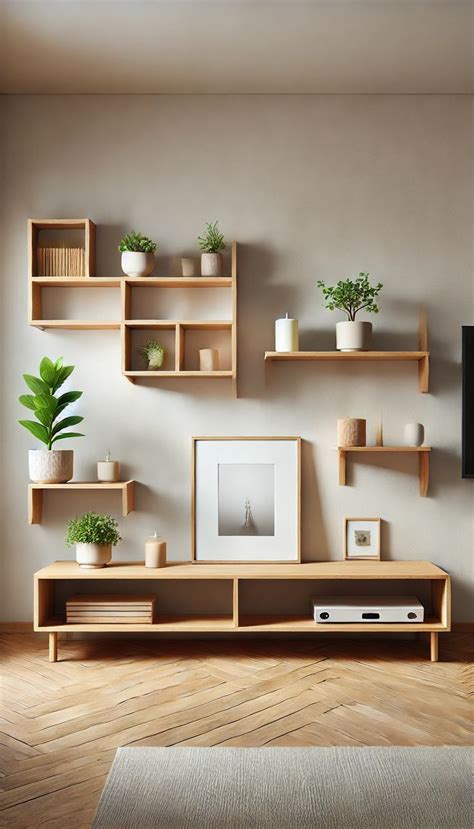
Floor space is finite, but walls offer an expansive canvas that is frequently underutilized in compact interiors. Drawing the eye upward not only clears daily clutter from walkways but also creates the psychological illusion of higher ceilings. Tall, slender shelving units and floating architectural ledges allow you to display treasured decor objects while keeping the floor completely unobstructed.
Consider installing custom or semi-custom wall cabinets that extend all the way to the ceiling line, creating a clean, architectural finish. Closed cabinetry keeps less visually appealing items hidden away, while open upper shelves maintain an airy feel. Anchoring your entertainment center to the wall rather than placing it on a heavy media console further lightens the room’s lower footprint.
Strategic Lighting and Color Palettes for Visual Depth
Lighting plays a transformative role in how spacious a room feels, and relying solely on a single overhead ceiling fixture often creates harsh shadows that shrink the environment. Layered illumination—combining wall sconces, slender floor lamps, and discreet task lighting—washes walls with a soft glow, effectively pushing boundaries outward and eliminating dark, cramped corners.
Pairing these lighting strategies with a thoughtful color palette makes an immense difference. While crisp whites and soft neutrals remain timeless choices for reflecting natural daylight, muted earth tones and rich monochromatic schemes can also create an intimate, sophisticated atmosphere. The key is maintaining consistent color values between your walls and larger furniture pieces to minimize visual fragmentation and unify the entire space.
Frequently Asked Questions
What type of sofa is best for a small living room?
Low-profile sofas with exposed legs work exceptionally well because they allow light to pass underneath, making the floor area appear larger. Sectionals with reversible chaises or modular loveseats also provide versatile arrangement options without dominating the room.
How can renters maximize small living room storage without damaging walls?
Renters can utilize tension-rod shelving systems, freestanding vertical bookcases, and furniture with built-in hidden storage like storage benches and lift-top coffee tables. Heavy-duty adhesive hooks and over-the-door organizers also offer creative storage without violating lease agreements.
What colors make a small living room look bigger?
Light neutral shades such as warm white, soft greige, and pale beige reflect natural sunlight best. However, painting walls and trim in a monochrome dark tone can also blur boundaries and create a cozy, expansive illusion by eliminating stark contrast lines.


