Finding furniture that respects tight spatial footprints while offering genuine utility is one of the greatest challenges in modern interior design. In many American apartments and suburban homes, narrow entryways, cramped hallways, and awkward gaps behind living room seating often go underutilized because standard furniture pieces are simply too deep. This is where a specialized furniture choice, such as a 63-inch narrow console table with four tiers of shelving, changes the equation entirely by trading horizontal bulk for efficient vertical storage.
By leveraging a long, slender surface paired with multiple lower shelves, homeowners can solve storage dilemmas without choking off natural foot traffic. However, styling and placing such a substantial length requires careful planning. A table stretching over five feet long demands a thoughtful layout to avoid looking sparse or feeling cluttered. This guide explores strategic room placement, zone-based organizing techniques, and design formulas to help you integrate a multi-tier narrow console seamlessly into your daily life.
Evaluating Spatial Requirements and Ideal Room Placements
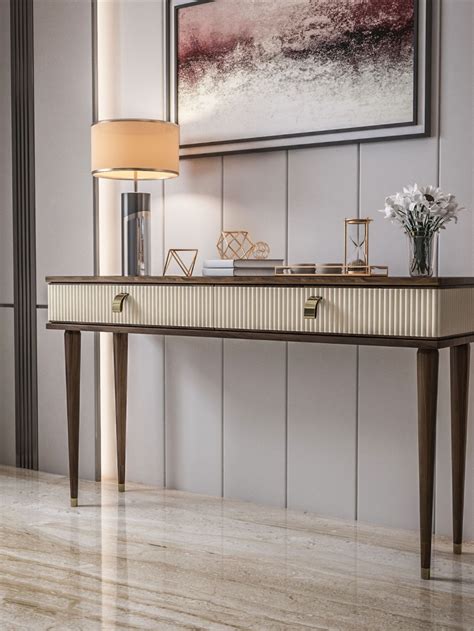
Before introducing any long furniture piece into your home, precise spatial planning is essential. A 63-inch console table provides an impressive span, making it an ideal anchor for expansive walls, but it requires adequate clearance to prevent blocking doors, heating vents, or high-traffic pathways. In standard U.S. hallways or foyer spaces, you should ideally maintain at least thirty-six inches of clear walking path around the furniture to ensure the room maintains an open, breathable flow.
The most natural home for a 63 narrow console table with 4-tier storage is the main entryway. When guests walk through the front door, a long surface provides an intuitive drop zone for keys, mail, and bags while establishing an immediate design statement. Another exceptional placement is directly behind a standard three-seater sofa. Because the table is exceptionally slim, it slips easily into the gap between the couch and the living room wall, creating a sophisticated anchor point for table lamps, books, and decorative accents without pushing your seating arrangement too far forward into the room.
Maximizing Safety and Stability in High-Traffic Zones
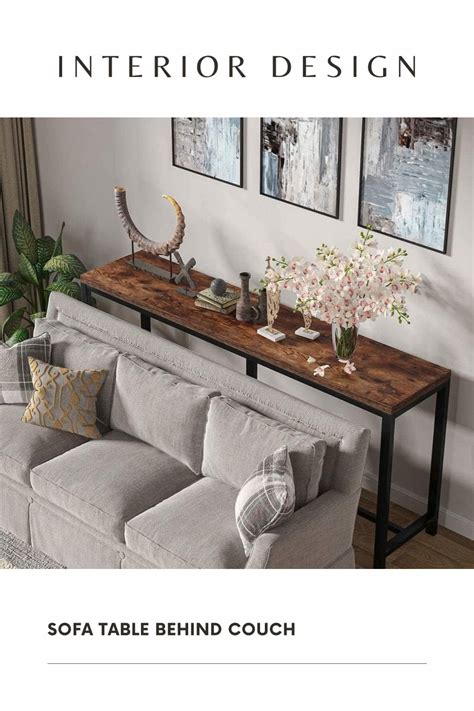
Because narrow console tables feature a high-aspect ratio—meaning they are tall and long relative to their shallow depth—stability is a core consideration for households with children, energetic pets, or frequent visitors. Selecting a model that includes a heavy-duty wall-anchoring kit is non-negotiable for safety. Securing the upper frame directly to wall studs prevents tipping if someone leans heavily on the edge or if a curious toddler attempts to climb the lower shelves.
When positioning the table on hardwood or tile flooring, check for even leveling using adjustable foot glides if the manufacturer provides them. Distributing weight evenly across the shelves also enhances physical stability. Placing heavier items like large storage baskets or heavy hardcover books on the bottom tier lowers the center of gravity, making the entire piece structurally secure while keeping everyday necessities neatly contained near the floor.
Designing a Balanced Surface on a 63-Inch Span
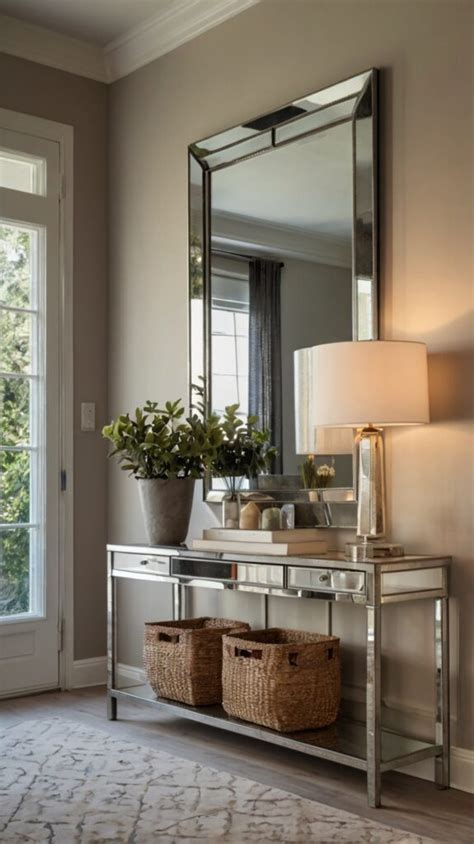
Styling a surface that spans over five feet requires a disciplined approach to avoid visual chaos. Without a clear design plan, a long console table easily becomes a catch-all for random clutter. Interior designers frequently rely on the ‘rule of thirds’ or asymmetrical grouping to break up long horizontal expanses. Instead of spreading decor items in a straight, uniform line across the entire length, divide the 63-inch top into three distinct visual zones: a focal point on one end, a grounding element on the opposite side, and a low-profile arrangement in the middle.
For instance, you can place a tall ceramic table lamp or a framed piece of wall art leaning against the wall on the left side to establish vertical height. Balance that weight on the right side with a decorative tray holding smaller accessories, candles, or a small plant. The central zone can remain relatively open or feature a modest stack of design books topped by a sculptural object. This creates dynamic rhythm and prevents the surface from feeling heavy or monotonous.
Choosing Complementary Wall Art and Mirror Pairings
The visual impact of a long console table is magnified significantly by what you hang above it. For a 63-inch table, standard small-scale wall art often looks lost and disproportionate. Instead, opt for a statement rectangular mirror that spans roughly two-thirds of the table’s length, or curate a balanced gallery wall featuring two or three medium-sized frames hung in a cohesive grid.
Hanging your wall art or mirror approximately six to eight inches above the top surface creates a comfortable visual dialogue between the furniture and the wall. If you prefer a more modern, relaxed aesthetic, consider letting a large framed print lean casually against the wall rather than hanging it. This technique adds casual sophistication and allows you to swap out seasonal artwork effortlessly without leaving new nail holes in drywall.
Mastering 4-Tier Storage: Organization Strategies for Every Shelf
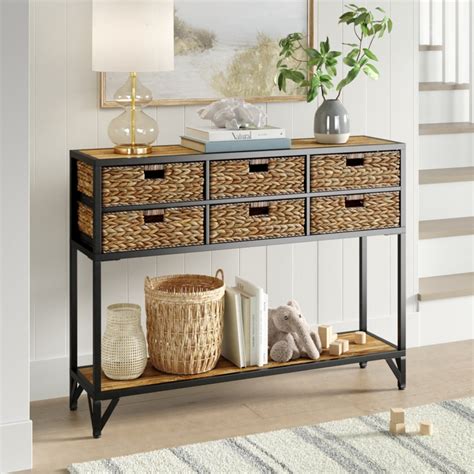
The true superpower of a four-tier console table lies in its vertical storage capacity. While the top surface handles daily styling and drop-zone essentials, the three lower shelves offer endless opportunities to corral household items that typically cause clutter. Developing a functional tier-by-tier organization system ensures that every shelf serves a distinct purpose, transforming raw storage space into an orderly display.
Reserve the second shelf down for items you reach for frequently, such as daily planners, stationery, or electronic charging stations disguised inside decorative boxes. The third tier serves as an ideal home for hardcover books arranged by color or stacked horizontally to create sturdy platforms for smaller decorative objects. Finally, reserve the bottom fourth tier for heavy canvas bins, woven seagrass baskets, or rattan boxes. These enclosed baskets are perfect for hiding away shoes, pet toys, winter accessories like scarves and gloves, or children’s toys in an entryway setting.
Textural Contrast and Material Harmony
To prevent multi-tier shelving from looking industrial or sterile, incorporate a rich mix of textures across the different levels. If your 63-inch console table features a sleek black metal frame with dark manufactured wood shelves, introduce organic warmth through woven baskets, ceramic vases, and leafy green houseplants. Natural materials like jute, rattan, and linen soften the clean, architectural lines of a narrow metal frame.
Play with lighting variations as well. A slim battery-operated touch lamp or a pair of sleek cordless table lamps placed on the top tier can cast a warm glow downward through the open shelves, highlighting your organized books and baskets below. This multi-level lighting strategy adds depth and architectural interest, making a functional storage piece feel like an intentional, high-end design feature in your home.
Frequently Asked Questions
How much clearance do I need around a 63-inch narrow console table?
In most U.S. homes, aim to leave at least 36 inches of clear walking space around the table if it is placed in a hallway or entryway. This ensures smooth foot traffic and prevents the area from feeling cramped or blocked.
What is the safest way to prevent a tall, narrow console table from tipping?
Always use the wall-anchoring hardware included with your furniture to secure the upper frame directly to wall studs. Additionally, place heavy items like storage baskets and large books on the bottom tier to lower the table’s center of gravity.
How do I style a long console table without making it look cluttered?
Divide the 63-inch surface into distinct visual zones using the rule of thirds. Place a tall focal point on one end, a balanced grouping on the other, and keep the middle section relatively open or styled with low-profile decor items.
What are the best items to store on the lower tiers of a multi-shelf console?
The lower shelves are ideal for woven storage baskets, seasonal accessories, books, and hidden drop zones for items like mail, shoes, or electronics. Use enclosed bins on the lowest tier to keep loose clutter out of sight.