A leather sofa acts as an unmistakable anchor in any living space, offering an enduring blend of durability, tactile luxury, and visual weight. While traditional dark brown or black options remain classic staples, contemporary American interior design embraces a much wider palette and diverse array of finishes. Whether you are outfitting a sprawling suburban open-concept great room or maximizing space in a compact urban apartment, incorporating leather successfully comes down to balancing its inherent warmth and structure with softer textile layers.
Successfully styling this foundational furniture piece requires thoughtful curation of surrounding elements, from the area rug beneath your feet to the accent lighting overhead. By balancing rigid surfaces with plush fabrics and contrasting finishes, you can create a room that feels deeply inviting, highly functional, and visually balanced.
Choosing the Right Leather Type and Finish
Before selecting accent pillows or coffee tables, understanding the different leather types ensures your seating choice aligns with your lifestyle and daily wear expectations. Full-grain leather showcases natural markings and develops a rich patina over time, making it an exceptional choice for traditional or rustic American homes where character is celebrated. Top-grain leather, which has been lightly sanded, offers a more uniform finish while maintaining breathability and soft flexibility, suiting busy family rooms.
For households looking for low-maintenance durability without sacrificing aesthetic appeal, corrected or distressed finishes hide minor scratches gracefully. Distressed caramel or cognac leathers immediately introduce a lived-in, effortless elegance to transitional living rooms. When evaluating finishes, consider how natural light enters your space throughout the day, as highly polished leathers reflect direct sunlight differently than matte, pull-up hides that absorb light and create deep tonal variations.
Expanding Beyond Brown and Black: Trending Leather Colors
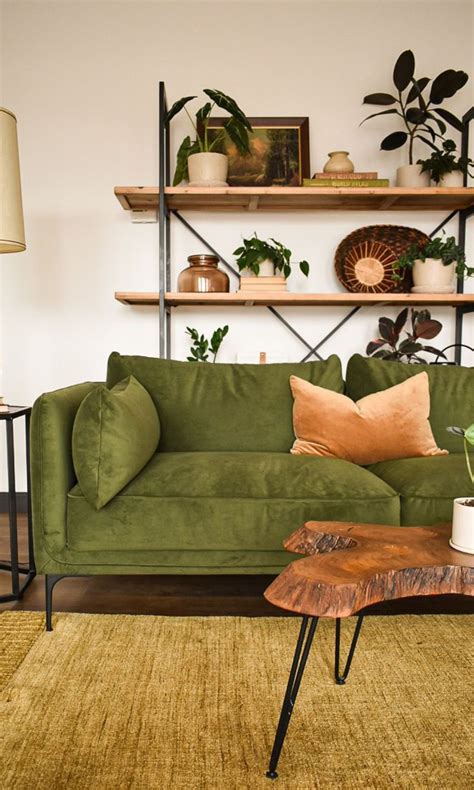
While classic saddle brown remains an enduring favorite across U.S. homes, contemporary interior design trends favor a broader spectrum of sophisticated leather tones. Cream and ivory leather sofas are gaining immense popularity in modern minimalist spaces, reflecting ambient light and keeping compact rooms feeling bright and open. These lighter neutral hides pair magnificently with pale oak flooring and soft, monochromatic textiles.
If you prefer a moodier, more saturated color palette, olive green, charcoal grey, and rich rust leather options deliver unexpected depth without overwhelming the room. An olive green leather sofa, for instance, bridges the gap between earthy organic aesthetics and refined urban living. Pairing these unexpected hues with complementary wall colors transforms the sofa from a simple seating arrangement into an intentional piece of functional art.
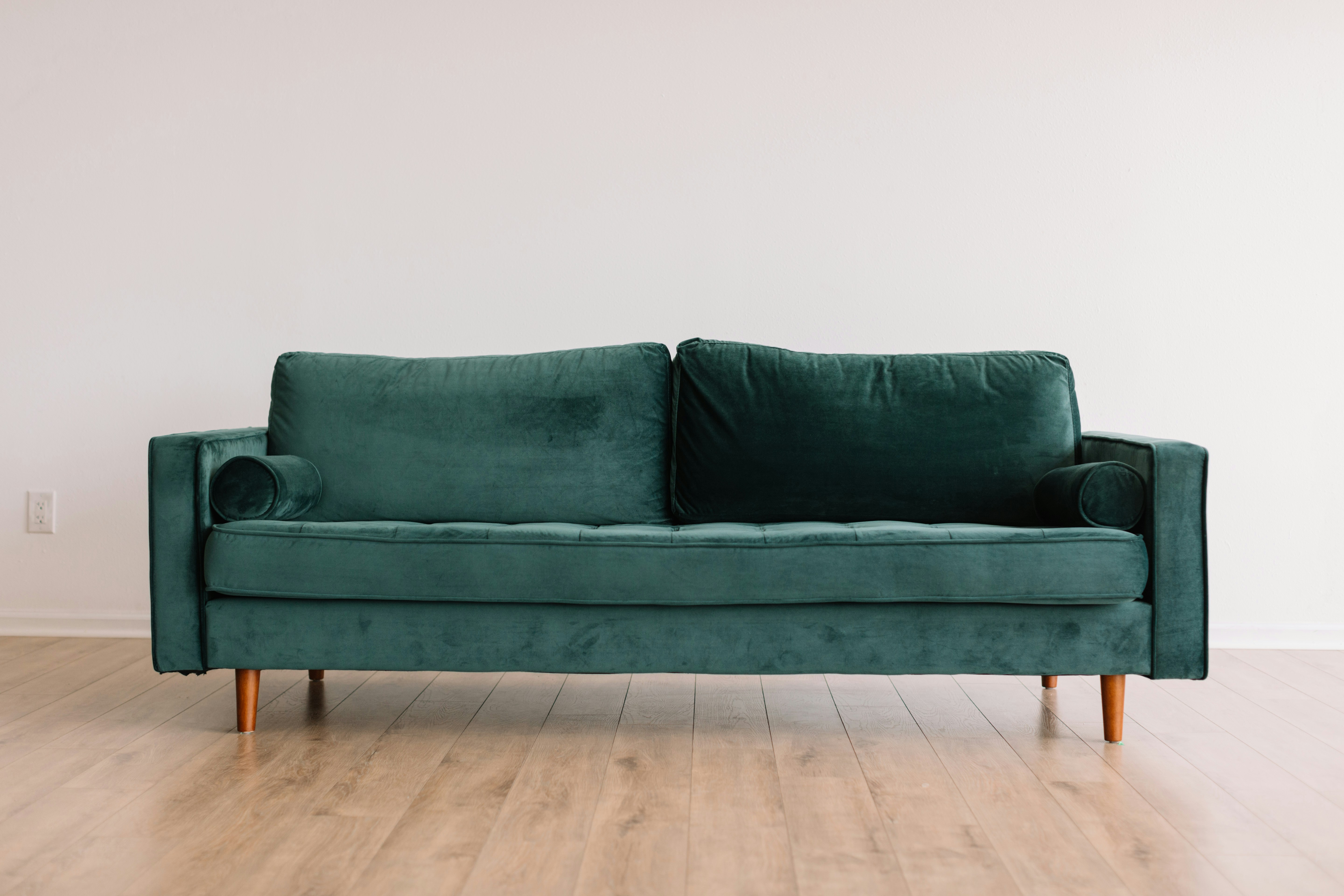
When introducing unconventional leather colors, consider the existing undertones of your trim, flooring, and architectural details. Cool-toned greys require warmer wooden accents to prevent the room from feeling sterile, whereas warm cognac or rust shades harmonize effortlessly with brass hardware, terracotta decor, and warm wall colors common in traditional American architecture.
Layering Textures to Balance the Room
One of the most common design challenges when working with leather is preventing the space from feeling overly masculine, cold, or sterile. Because leather is a sleek, smooth material, you can instantly neutralize its firmness by introducing rich, tactile textiles into the immediate seating area. Drape a chunky knit wool throw or a textured bouclé blanket over one corner of the couch to invite physical comfort and visual contrast.
Layering decorative pillows is another effective method to break up expansive leather surfaces. Combine various fabrics such as linen, velvet, woven cotton, and shearling within a cohesive color story. Mixing patterns like subtle stripes or geometric block prints alongside solid neutrals prevents the sofa from blending into a monotonous block of color. These tactile layers make the furniture feel approachable, cozy, and ready for daily relaxation.
Pairing Rugs and Coffee Tables with Leather Couches
The ground beneath your leather sofa plays a crucial role in framing the furniture and balancing room proportions. Natural fiber rugs, such as jute, sisal, or hand-knotted wool, introduce organic texture that complements the natural origins of leather. If your leather sofa has a warm cognac or camel finish, a vintage-style Persian rug with faded crimson and blue undertones adds timeless depth and heritage appeal.
When selecting a coffee table to sit opposite a leather couch, look for contrasting materials to avoid visual heaviness. Pair a dark brown leather sectional with a light white oak or reclaimed wood coffee table to keep the space grounded yet airy. Alternatively, a sleek glass-top table with a brushed brass or matte black iron frame introduces industrial lightness, preventing heavy living room layouts from feeling cramped or cluttered.
Tailoring Layouts for Small and Large U.S. Living Spaces
Layout strategy depends heavily on the architectural footprint of your home. In a spacious suburban open-concept living area, a large leather L-shaped sectional works brilliantly to naturally zone the seating area away from the kitchen or dining space, especially when anchored by an oversized area rug and a floating console table behind the backrest.
Conversely, styling a leather sofa in a small apartment living room requires careful spatial planning to maintain smooth traffic flow. Opt for a streamlined two-seater or a tight-back mid-century modern leather sofa with exposed wooden legs, which allows light to pass underneath and visually expands the floor space. Keep surrounding side tables minimal and utilize vertical wall shelving to draw the eye upward, ensuring your statement seating remains comfortable without overwhelming a modest room.
Frequently Asked Questions
What colors of leather sofas are trending in U.S. living rooms?
While traditional dark brown remains a timeless favorite, contemporary U.S. homes increasingly feature warm cognac, creamy ivory, sophisticated olive green, and rich rust leather sofas. These alternative shades allow homeowners to personalize their palette while maintaining a refined aesthetic.
How do I style a leather sofa so it doesn’t look too cold or masculine?
To counteract the sleek and structured nature of leather, layer the sofa with tactile textiles such as chunky knit wool throws, linen pillows, and soft bouclé blankets. Surrounding the seating area with warm wood accents, ambient lighting, and plush rugs also softens the overall atmosphere.
What type of coffee table and rug go best with a brown leather couch?
Natural fiber rugs like jute or patterned vintage wool rugs pair exceptionally well with brown leather by adding organic texture and warmth. For coffee tables, contrasting materials such as light oak, reclaimed wood, or glass with a metal frame prevent the room from feeling heavy.
How can I incorporate a leather sofa into a small apartment living room?
In smaller spaces, choose a streamlined two-seater or a mid-century modern design featuring exposed legs, which allows light to circulate underneath. Pair it with minimalist side tables and keep wall decor vertical to maintain an open, airy feeling.


