Grey flooring has firmly established itself as a modern staple in American residential interior design. Whether you live in a sun-drenched suburban split-level or an urban high-rise apartment, neutral grey foundations provide a sophisticated, versatile base. However, the most common hesitation homeowners and renters face is keeping the space from feeling clinical, cold, or austere. Because grey is inherently a cool tone, successful styling relies on deliberate contrast, tactile layering, and thoughtful color choices that invite warmth and comfort into the room.
Addressing this challenge does not require a complete structural overhaul. In fact, many of the most effective strategies involve renter-friendly additions like area rugs, accent furniture, strategic lighting, and carefully selected wall treatments. By understanding how light behaves across different U.S. geographic regions and learning how to pair your floors with complementary elements, you can easily create a balanced, welcoming environment. Here are ten stylish, designer-backed approaches to bringing your grey-floored living room to life.
1. Ground the Room with a Plush, High-Pile Area Rug
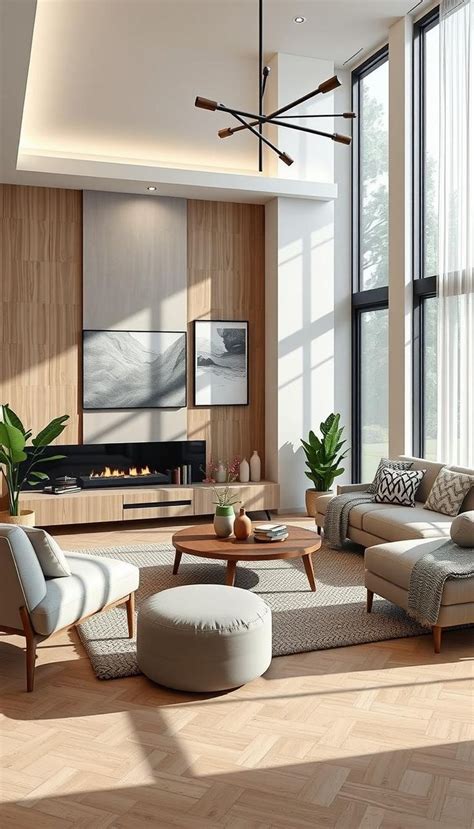
One of the fastest and most impactful ways to soften grey flooring is by introducing an oversized, high-pile area rug. When hard grey surfaces dominate the room, a textured rug acts as an immediate visual and physical buffer, introducing warmth underfoot while breaking up the monotonous expanse of the floor. Consider materials like plush wool, dense synthetic blends, or chunky weaves that contrast sharply with sleek hardwood or tile.
When selecting your rug, pay close attention to undertones. If your grey floors carry cool blue or purple undertones, look for a rug with warm ivory, cream, or beige accents to neutralize the chill. For renters or homeowners managing high-traffic family living rooms, choosing a patterned or distressed vintage-style rug can also help mask everyday wear while adding rich character and depth to the seating area.
2. Introduce Warm Wood Tones Through Furniture and Accents

A foolproof rule in interior design is to balance cool elements with warm ones. Pairing grey flooring with rich wood furniture—such as a walnut coffee table, a white oak media console, or teak accent chairs—instantly grounds the space. The natural organic grain of wood introduces a layer of earthiness that cuts through the starkness of a neutral grey foundation.
You do not need to match your wood furniture to your floors; in fact, mixing different wood finishes often yields a more collected, dynamic aesthetic. If your living room features dark charcoal grey floors, medium-to-light honey oak pieces will pop beautifully. Conversely, light ash grey floors pair exceptionally well with mid-century modern walnut or espresso-stained items, creating a sophisticated visual dialogue.
3. Layer Inviting Textiles Across Sofas and Armchairs
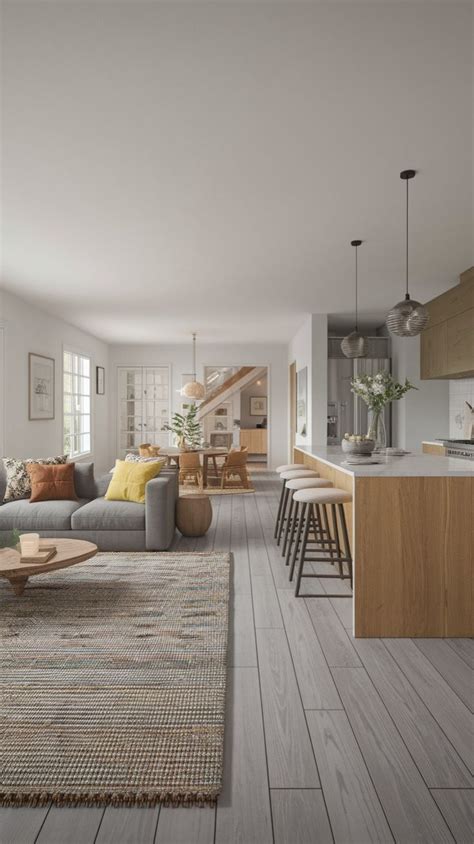
Textiles are your best defense against a sterile-feeling living room. Soft furnishings introduce color, pattern, and tactile variety that make the entire space feel curated and comfortable. Drape a chunky knit throw blanket over the back of your sofa, and pile on an assortment of velvet, linen, and woven accent pillows to invite lounging.
For window treatments, avoid heavy, cold plastics or stark white blinds if your room already feels chilly. Instead, opt for floor-length drapery in warm neutral linen, textured cotton, or subtle woven fabrics. These draperies frame your windows while diffusing natural sunlight into a soft, golden glow that warms up the surrounding grey flooring.
4. Paint Walls in Soft Warm Neutrals or Earthy Tones
The wall color you choose dictates the overarching mood of your living room. If you want to lean into a crisp, contemporary aesthetic, soft off-whites with warm yellow or cream undertones create a gentle contrast against grey floors. Alternatively, if you prefer a cozy, cocoon-like atmosphere, consider embracing earthy wall colors like muted sage green, warm clay, or sophisticated greige.
Testing paint swatches directly against your flooring at different times of day is crucial. Natural light varies dramatically across the United States—from the cool, bluish daylight of the Pacific Northwest to the intense, golden glare of the Sun Belt. Observing how your chosen wall paint interacts with your grey floors under local lighting conditions prevents the room from feeling flat or uninspired.
5. Incorporate Matte Black and Brushed Brass Hardware
Metal accents play a powerful role in defining the style of a room. In a living room with grey flooring, avoid chrome or polished silver finishes, as they can compound the coldness of the space. Instead, anchor the room with matte black light fixtures, curtain rods, or side-table frames to introduce clean, graphic contrast.
To balance the industrial edge of matte black, layer in warm metallic accents like brushed brass or antique gold. A brass floor lamp, a gilded mirror frame, or decorative brass bowls on a coffee table inject a subtle touch of glamour and warmth that catches the eye and complements the neutral undertones of the floor.
6. Bring the Outdoors In with Lush Green Houseplants
Nature offers the ultimate antidote to sterile indoor environments. Plants introduce organic shapes, vibrant living color, and textural variation that instantly revitalize a grey-floored living room. Large statement plants, such as a fiddle-leaf fig, bird of paradise, or a tall snake plant placed in a woven basket or terracotta pot, add instant height and vitality.
If your living room lacks abundant natural light, hardy indoor plants like pothos or ZZ plants thrive in lower-light conditions while still delivering that essential splash of living green. Positioning plants near seating areas or dead corners draws the eye upward, making the entire room feel more balanced and connected to the outdoors.
7. Layer Statement Lighting to Combat Regional Light Shifts
Lighting design is essential for managing how grey floors look and feel throughout the day. Relying solely on a single overhead light fixture can cast harsh shadows and make grey tones look dull. Instead, build a layered lighting plan incorporating table lamps, floor lamps, and wall sconces positioned at various heights around the room.
Opt for warm white lightbulbs (around 2700K) rather than cool daylight bulbs. Warm bulbs cast a golden hue that counteracts the coolness of grey floors, instantly making the room feel cozy and inviting during overcast winter afternoons or evening hours. Dimmers are also a fantastic addition, allowing you to easily adjust the room’s ambiance.
8. Select Bold Upholstery Colors for Visual Contrast
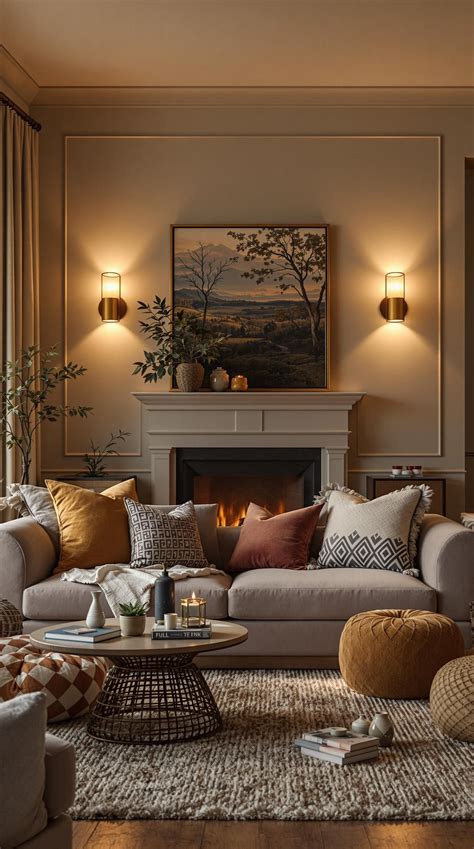
Grey flooring acts as a magnificent, neutral canvas, meaning you have the freedom to experiment with bolder furniture upholstery. Rather than opting for an entirely monochromatic grey-on-grey color scheme, choose a statement sofa in a rich, welcoming hue like deep navy blue, forest green, terracotta, or warm caramel leather.
A caramel leather sofa, in particular, looks stunning against both light grey and dark grey flooring, instantly bridging the gap between modern architecture and classic comfort. If you prefer a lighter sofa, choose performance fabrics in creamy oatmeal or warm beige, and anchor them with vibrant patterned accent chairs to keep the visual energy balanced.
9. Embrace Organic Materials in Coffee Tables and Storage
Introduce tactile authenticity by incorporating furniture and decor made from raw, organic materials. Rattan accent chairs, jute ottomans, travertine side tables, and reclaimed wood shelving units break up the synthetic uniformity that sometimes accompanies modern engineered grey flooring or tile.
These natural materials add subtle imperfections and rich textures that tell a visual story. A woven rattan basket storing extra throw blankets next to a sleek media console creates an effortless high-low mix, ensuring your living room feels personal, lived-in, and deeply comfortable rather than showroom-stiff.
10. Curate Personal Art and Gallery Walls for Vertical Warmth
When decorating a room with neutral foundations like grey floors, it is easy to focus exclusively on horizontal surfaces. However, engaging the vertical space with art, photography, and mirrors draws attention upward and injects personality into the room. A well-curated gallery wall featuring wooden frames, warm-toned canvases, and textured fiber art warms up bare drywall.
Choosing artwork that incorporates earthy hues, warm ochres, deep terracottas, and soft botanicals creates an intentional bridge between your walls and your grey floors. This finishing touch ensures your living room feels entirely customized to your lifestyle, blending modern architecture with timeless personal comfort.
Frequently Asked Questions
How do I keep a grey floor living room from feeling too cold?
To prevent a grey-floored living room from feeling cold, focus on introducing warm textures and contrasting materials. Layer a plush, high-pile area rug, add warm wood furniture like walnut or white oak, drape knit throw blankets over seating, and use warm-toned lighting bulbs (around 2700K) to soften the atmosphere.
What wall colors go best with grey wood or tile floors?
Wall colors that complement grey floors include soft warm off-whites with creamy undertones, sophisticated greige, muted sage greens, and warm earth tones like clay. Always test paint swatches in your specific room lighting, as regional daylight variations across the U.S. can alter how grey undertones appear.
What style of area rug works best on grey floors?
Area rugs featuring warm neutrals like cream, beige, or camel work exceptionally well on grey floors to neutralize cool undertones. For busy living rooms, patterned or vintage-inspired distressed rugs add character, hide everyday wear, and provide essential underfoot comfort.
Can I mix different wood tones with grey flooring?
Yes, mixing wood tones creates a curated, designer-style look. If you have dark grey floors, medium oak or honey-toned wood furniture will pop nicely. If your floors are light grey, darker walnut or espresso accents provide a striking, balanced contrast.


