Designing a cohesive living room often hinges on how well your major furniture pieces interact with one another. When placing a console table in relation to a modern sofa—especially in open-concept American homes—getting the proportions, heights, and materials right transforms a disjointed room into an intentional, designer-styled space. Whether you are arranging a suburban suburban great room or optimizing a compact urban apartment, thoughtful pairings create distinct zones while maintaining a seamless flow throughout your floor plan.
Mastering Height and Proportion Rules
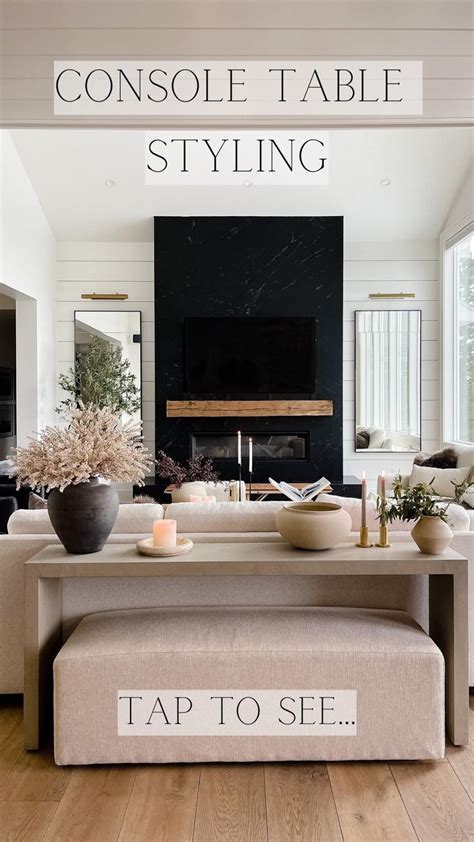
The foundation of any successful sofa and console pairing relies heavily on precise vertical and horizontal alignment. Standard U.S. sofas typically feature a back height ranging from 30 to 36 inches off the floor. To maintain visual harmony and prevent awkward gaps, your console table should ideally sit flush with the top of the sofa back or remain slightly lower—within an inch or two. Going significantly higher interrupts the sightlines across the room, while a table that is far too low can feel visually lost against bulky upholstery.
Horizontal proportions matter just as much as vertical measurements when anchoring your seating arrangement. As a reliable rule of thumb, a console table placed directly behind a sofa should span roughly two-thirds to three-quarters of the sofa’s total length. This leaves comfortable negative space on either end, preventing the arrangement from looking blocky or overcrowded. If you are working with a modular sectional or an extra-long contemporary sofa, consider using two matching narrow consoles side-by-side or opting for a custom-length modern media credenza to achieve the desired visual balance.
Open-Concept Layouts: The Behind-the-Sofa Console
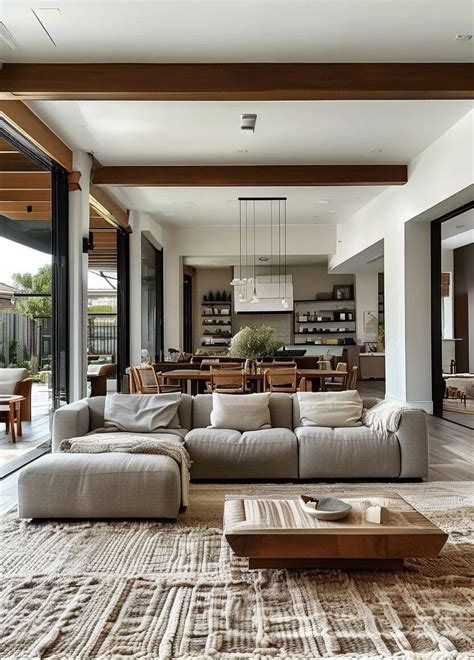
In many modern American homes, the living room floats in the middle of a larger open-plan layout, sharing space with the kitchen or dining area. Placing a console table directly behind a floating sofa serves as a brilliant architectural bridge, defining the boundaries of the living zone without building physical walls. This setup provides an immediate drop zone for keys, mail, and everyday essentials the moment you walk through the front door or transition from the kitchen island.
Beyond organization, a behind-the-sofa console introduces an opportunity to layer lighting and decor that would otherwise require floor space. Placing a slim, architectural task lamp or a sculptural ceramic table lamp on the surface instantly warms up the center of a room, casting a welcoming glow for evening relaxation. When executing this layout, ensure there is at least a three-foot clearance between the edge of the console and any surrounding walkways to maintain safe, unobstructed traffic flow through your main living areas.
Small-Space Solutions for Apartments
Compact living spaces demand furniture that earns its footprint through smart design and multi-functional capabilities. In tighter urban apartments, standard console tables can easily choke walking paths or overpower a scaled-down loveseat. The solution lies in utilizing ultra-slim profiles, such as metal-framed sofa tables measuring less than twelve inches in depth, paired cleanly against apartment-scale sofas with tailored, low-profile arms.
To maximize utility in a small room, look for console tables featuring built-in power strips, hidden shallow drawers, or integrated lower shelving. A console with an open metal frame can easily accommodate a pair of tucked-under upholstered ottomans, offering hidden extra seating for guests that pulls out instantly when needed. This approach keeps the visual weight light while delivering maximum functional versatility in a minimal square footage.
Material and Texture Mixing for Modern Interiors
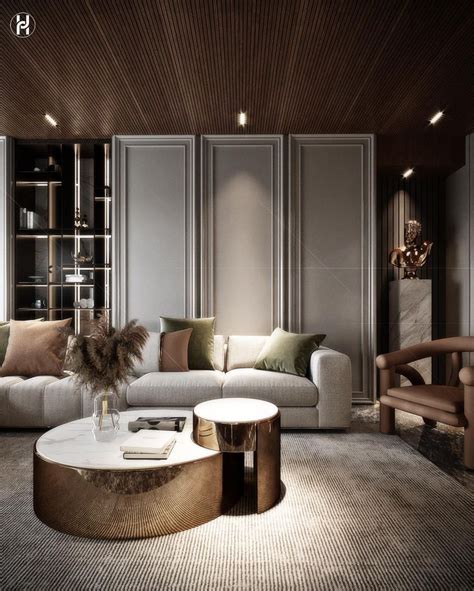
Achieving a high-end modern aesthetic requires thoughtful contrast rather than matching every wood finish in the room. If your sofa is upholstered in a textured neutral fabric like heavy linen, boucle, or woven tweed, pairing it with a console table crafted from live-edge walnut, polished marble, or blackened steel creates a rich interplay of tactile surfaces.
Consider pairing a sleek, minimalist leather sofa with a warm white oak console table to soften the industrial edge of modern leather finishes. Conversely, if your seating features a cool velvet or smooth performance fabric, a brushed brass or glass-topped console table introduces a touch of understated glamour and reflects natural light around the room. The key is balancing heavy, solid materials with lighter elements so the arrangement feels curated rather than crowded.
Frequently Asked Questions
How high should a console table be in relation to the back of a sofa?
Your console table should ideally sit flush with the top of the sofa back or be no more than one to two inches lower. This ensures a clean, uninterrupted horizontal line when viewing the furniture from the front or side.
Can a console table double as a desk or media surface behind a sofa?
Yes, as long as the console is deep enough—typically at least 15 to 18 inches—and sturdy. However, ensure cords are neatly managed with cable clips or concealed runs so they do not detract from the clean aesthetic of your living room.
What are the best console and sofa pairings for small living rooms?
For small spaces, pair a low-profile apartment sofa with an ultra-slim console table under 12 inches deep. Look for designs featuring open metal legs or built-in lower shelves to keep the room feeling light, airy, and uncluttered.


