When designing a comfortable and inviting living space across American homes and apartments, finding the right balance between style and utility is essential. Whether you are settling into a permanent suburban house or rearranging a rented urban apartment, seating and surface area options often dictate how functional a room feels. This is where versatile accent pieces like ottomans and poufs truly shine, offering an effortless way to upgrade your interior design without undertaking a major room overhaul.
While these two categories of accent furniture are often grouped together, understanding their distinct structural differences helps you select the ideal pieces for your specific lifestyle. Homeowners looking for heavy-duty functionality and renters seeking lightweight mobility can both benefit from incorporating these flexible accessories. By examining how different materials, shapes, and scales interact within a room, you can create a cohesive look that adapts seamlessly to your daily routine.
Understanding the Difference: Structured Ottomans Versus Soft Poufs
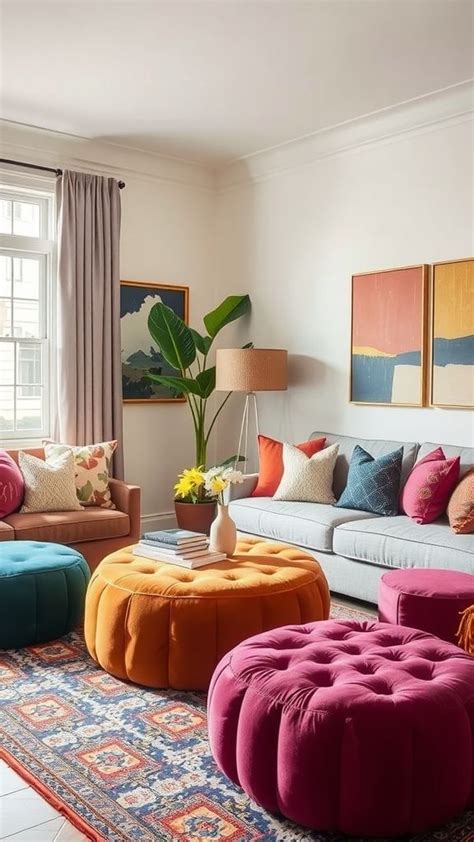
Before bringing new furniture into your home, it helps to distinguish between structured ottomans and soft poufs. Ottomans typically feature a rigid internal frame made of wood or metal, often resting on legs or a solid base, and may include hinged lids for hidden storage. They provide a stable surface that easily doubles as a makeshift coffee table when paired with a sturdy decorative tray. Because of their internal support, structured ottomans function exceptionally well as reliable extra seating for guests or as permanent footrests anchoring a main sofa.
Poufs, on the other hand, are entirely soft-sided, stuffed loosely with dense filling, poly-beads, or cotton batting. Lacking a rigid frame, poufs offer a casual, tactile aesthetic that leans into bohemian, eclectic, or contemporary minimalist designs. Their primary advantage lies in their portability. Renters particularly appreciate poufs because they weigh very little, allowing them to be effortlessly dragged from the living room to a bedroom reading nook or tucked under a console table when floor space is needed.
Smart Multi-Functional Ideas for U.S. Living Spaces
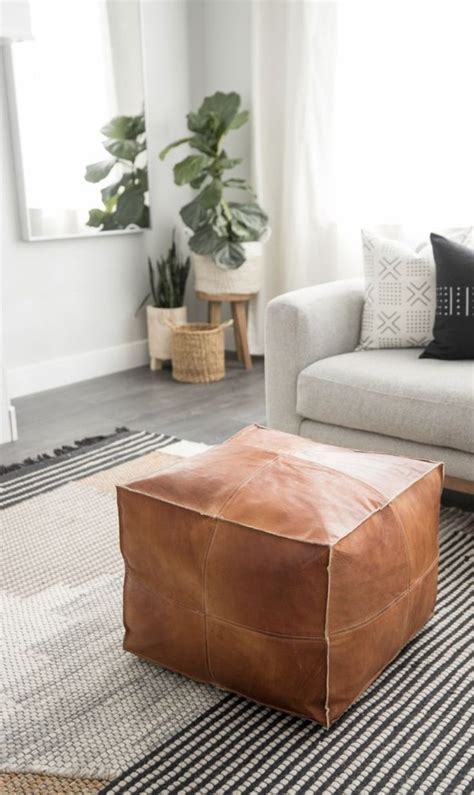
Maximizing square footage is a universal priority for contemporary households, making multi-functional furniture an absolute necessity. An upholstered storage ottoman placed at the foot of a sectional sofa serves three distinct purposes simultaneously: a comfortable place to rest your feet, a concealed compartment for storing extra throw blankets and board games, and a sturdy surface for setting down evening beverages.
In compact urban apartments where traditional coffee tables might block narrow pathways, replacing a bulky wooden table with a large square ottoman or a cluster of smaller poufs introduces crucial flexibility. When hosting friends for a movie night, the poufs can be pulled away to provide immediate extra seating around the room. Homeowners with spacious open-concept layouts can use oversized leather ottomans to anchor sprawling seating arrangements, creating a visual bridge between different functional zones within a single large room.
Tailoring Your Choice for Homeowners Versus Renters
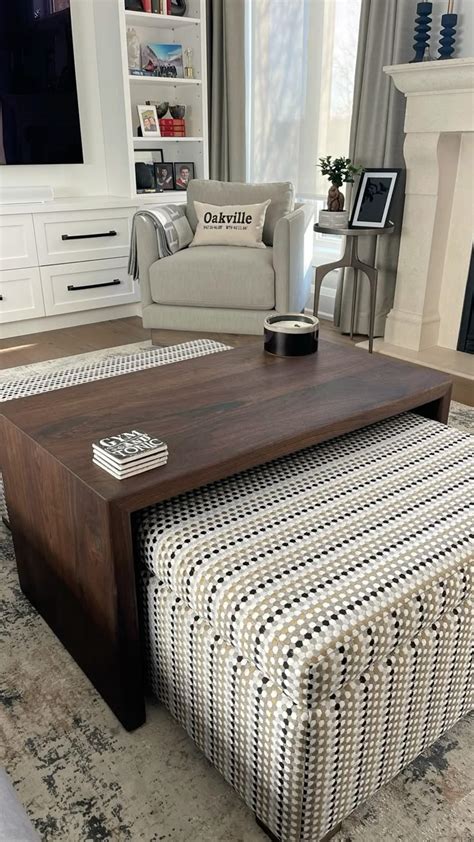
Your living situation heavily influences the types of accent furniture that will serve you best over time. Homeowners often look for investment pieces designed for longevity, choosing heavy upholstered ottomans with performance fabrics that withstand high-traffic family rooms and pets. Built-in storage features become major selling points for homeowners who want to keep living areas tidy without adding extra cabinetry or bulky shelving units.
Renters, however, face entirely different spatial and logistical constraints. Frequent relocations demand furniture that is lightweight, adaptable to various floor plans, and easy to transport down narrow apartment hallways or stairwells. For renters, choosing a pair of versatile, durable poufs or a compact ottoman without heavy wooden legs prevents unnecessary wear during moves while providing the exact same cozy aesthetic and functional footrest benefits.
Selecting Fabrics and Textures for Every Interior Style
The materials you choose dictate both the durability and the visual warmth of your room. Pairing contrasting textures creates a sophisticated, layered interior design scheme that looks curated rather than generic. For instance, placing a smooth, cognac-leather structured ottoman next to a chunky hand-knit wool pouf introduces a gorgeous interplay of tactile surfaces that elevates a neutral modern living room.
Families with children or pets should prioritize high-performance woven fabrics, genuine leather, or stain-resistant microfiber that handles daily friction and spills with ease. Meanwhile, delicate velvet or heavily textured boucle poufs work wonderfully in low-traffic master bedrooms or formal sitting rooms where visual elegance takes precedence over rugged everyday cleanup.
Frequently Asked Questions
What is the difference between an ottoman and a pouf?
An ottoman features a rigid internal frame, often includes legs and hidden storage, and provides a stable surface for trays or seating. A pouf is entirely soft-sided, lightweight, and filled with dense material, offering casual floor seating and easy mobility.
Can an ottoman double as a coffee table safely?
Yes, structured ottomans can safely double as coffee tables as long as you place a flat, rigid decorative tray on top to hold drinks, glassware, and books securely without tipping over.
How do renters benefit from using poufs and ottomans?
Renters benefit from the lightweight, portable nature of these pieces. They maximize small footprints, provide instant extra seating when guests arrive, and can easily be moved to a new home during a lease relocation.
Which fabrics hold up best to daily wear and tear in U.S. households?
High-performance performance fabrics, genuine leather, tightly woven synthetic blends, and heavy-duty canvas offer exceptional durability and easy stain cleanup for busy households with children and pets.


