Gray flooring has firmly established itself as a modern staple in American residential architecture. Whether achieved through luxury vinyl planks, polished concrete, hardwood, or sleek tile, gray floors offer a versatile and neutral foundation. However, the primary challenge homeowners face is preventing the space from feeling cold, stark, or overly clinical. Because gray is inherently a cool neutral, successful interior design relies on balancing those undertones with thoughtful color pairings, tactile textures, and strategic lighting choices.
Creating a welcoming atmosphere starts with understanding the specific undertones of your flooring. Some gray surfaces lean toward cool blue or silver hues, while others tilt toward warm taupe and greige. By identifying these underlying pigments, you can curate a cohesive living room palette that highlights the beauty of your floors while maximizing comfort and visual interest.
Understanding Gray Undertones and Wall Paint Combinations

Selecting the right wall color is the most impactful decision you will make when styling a gray-floored living room. If your floors feature cool blue or silver undertones, pairing them with crisp bright whites or soft pastel blues can create an airy, contemporary coastal aesthetic. Conversely, if your flooring leans toward a warmer greige, you might anchor the room with creamy off-whites, warm beige, or muted sage greens to draw out those cozy earth tones.
For those seeking a bolder, more dramatic mood, darker saturated wall colors such as charcoal, navy, or deep forest green create a striking envelopment effect. This approach works wonderfully in larger suburban U.S. living rooms with high ceilings and ample natural daylight, as the deep walls contrast sharply with the lighter floor plane, grounding the entire seating arrangement.
Layering Textures to Bring Warmth to Cool Floors
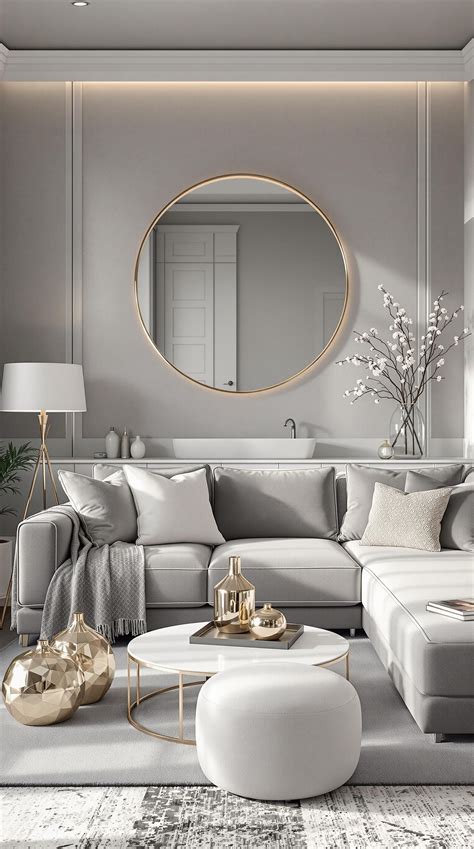
One of the most effective methods for countering the inherent coolness of gray flooring is the intentional layering of rich textures. Incorporating tactile elements like chunky wool rugs, rough-hewn jute, or distressed leather seating instantly introduces organic warmth. When smooth gray planks meet soft, plush textiles, the sensory contrast creates a sophisticated, layered interior environment.
Consider introducing natural wood furniture pieces, such as medium-tone oak, walnut, or teak coffee tables. These warm wood grains prevent a gray-floored room from looking monotonous by breaking up the gray expanse with organic patterns and golden brown undertones. Woven baskets, ceramic accent pieces, and linen drapery further soften the hard lines of the room.
Selecting the Ideal Area Rugs and Furniture Pairings
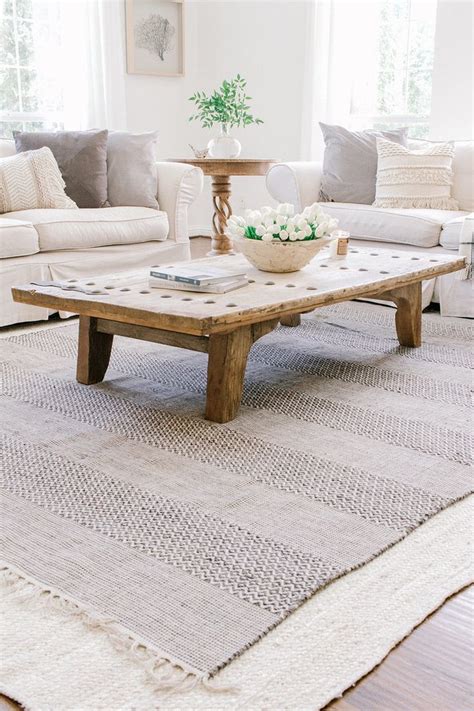
Area rugs act as a vital bridge between your gray flooring and your upholstered furniture. A high-pile Moroccan shag rug or a vintage-inspired Persian rug featuring faded terracotta, mustard, or rust tones can inject vibrant color and sophisticated pattern into the space. Avoid matching your rug color too closely to the gray floor, as this washes out the room and eliminates necessary contrast.
When it comes to furniture upholstery, warm neutrals like cream, oatmeal, and camel leather look exceptionally striking against gray floors. If you prefer a monochromatic color scheme, vary the fabric finishes extensively—pairing velvet sofas with bouclé accent chairs and metallic brass or matte black accents ensures the room retains depth and personality.
Optimizing Lighting Strategies Throughout the Day
Natural light plays a dramatic role in how gray flooring presents itself in American homes. A room facing north will receive cool, indirect light that emphasizes the bluish aspects of gray floors, whereas a south-facing living room is flooded with warm sunlight that softens those same neutral boards. To manage these shifts, incorporate layered interior lighting including floor lamps with warm bulbs, dimmable overhead fixtures, and table lamps that cast a welcoming glow during evening hours.
Frequently Asked Questions
What wall colors go best with gray living room floors?
The best wall color depends heavily on your flooring’s undertone. Cool gray floors pair beautifully with crisp whites, soft blues, and cool grays. Warm greige floors look stunning against creamy off-whites, warm beige, greige, and earthy tones like sage green or terracotta.
How do I make a gray-floored living room feel cozy instead of cold?
To combat a sterile feeling, introduce an abundance of rich textures and warm materials. Layer thick area rugs, incorporate natural wood furniture, add tactile fabrics like velvet, wool, and leather, and use warm ambient lighting rather than harsh overhead bulbs.
What kind of furniture and wood tones contrast well with gray flooring?
Medium-to-warm wood tones, such as honey oak, walnut, and teak, create a wonderful organic contrast against gray floors. For upholstery, fabrics in cream, tan, camel leather, and warm mustard or rust shades help balance out the cool neutrality of the flooring.
Which area rug styles and patterns work best on gray floors?
High-pile shags, textured jute runners, and traditional vintage or bohemian rugs with warm secondary colors work best. They provide a soft buffer between the cold floor and your feet while introducing necessary pattern and color contrast to anchor the room.


