The entryway sets the tone for your entire home, acting as a transitional space that welcomes guests and helps household members decompress after a long day. Among all furniture pieces, the console table stands out as the ultimate workhorse for this zone. It provides a dedicated spot to drop keys, display curated decor, and anchor the visual flow of a foyer or hallway. Selecting and styling this piece requires balancing spatial constraints with personal aesthetic preferences, ensuring the furniture feels neither lost in a grand suburban foyer nor cramped in a city apartment hallway.
In many modern American floor plans, entryways range from wide open-concept drop zones to narrow architectural corridors. Finding success with a console table starts with understanding these spatial dynamics, followed by thoughtful layering of functional accessories and decorative accents. By approaching this project with intentional sizing rules and balanced styling formulas, you can transform a bare wall into an inviting and practical focal point.
Sizing and Proportion Rules for Standard American Layouts
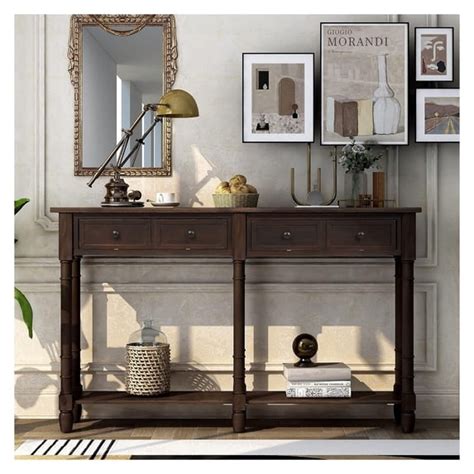
Before purchasing any console table, measuring your available floor space and wall clearance is essential. Standard entryway console tables typically range from 30 to 36 inches in height, aligning comfortably with standard door handle levels and standard mirror placements. Depth is another critical consideration, particularly for narrow American hallways where walking clearance is at a premium. Opting for a slim profile depth of 10 to 12 inches prevents the hallway from feeling obstructed while still offering enough surface area for a shallow catch-all tray.
When dealing with a spacious suburban foyer with high ceilings, a standard or compact table can easily look dwarfed by its surroundings. In these larger layouts, consider selecting a wider console measuring 48 to 60 inches, or pair a standard table with substantial vertical elements like tall table lamps or a large arched mirror. Conversely, urban apartments often feature compact entry walls where visual weight matters immensely. Choosing a console table with exposed metal legs or an open lower shelf keeps sightlines open, preventing the piece from making a small entryway feel heavy or closed off.
Selecting Durable and Stylish Materials
The material of your entryway console table dictates both its stylistic category and its ability to withstand daily wear and tear. Solid wood furniture—such as oak, walnut, or maple—brings warmth and timeless texture to traditional and transitional American interiors. Wood finishes hide minor dust and scratches relatively well, though placing a protective coaster under wet items or keys helps preserve the polished surface over years of daily use. For modern, industrial, or minimalist aesthetics, materials like blackened steel, brushed brass frames, tempered glass, or faux-marble tops introduce sleek sophistication.
When evaluating materials, consider how your household actually uses the space. Families with small children or pets often benefit from rounded table edges and durable manufactured wood or stone composites that resist impact damage. On the other hand, if your entryway receives very little foot traffic and serves purely as a decorative gallery zone, delicate glass-topped tables or high-gloss lacquered finishes can elevate the space with a chic, boutique-hotel ambiance.
Essential Styling Elements for a Balanced Surface
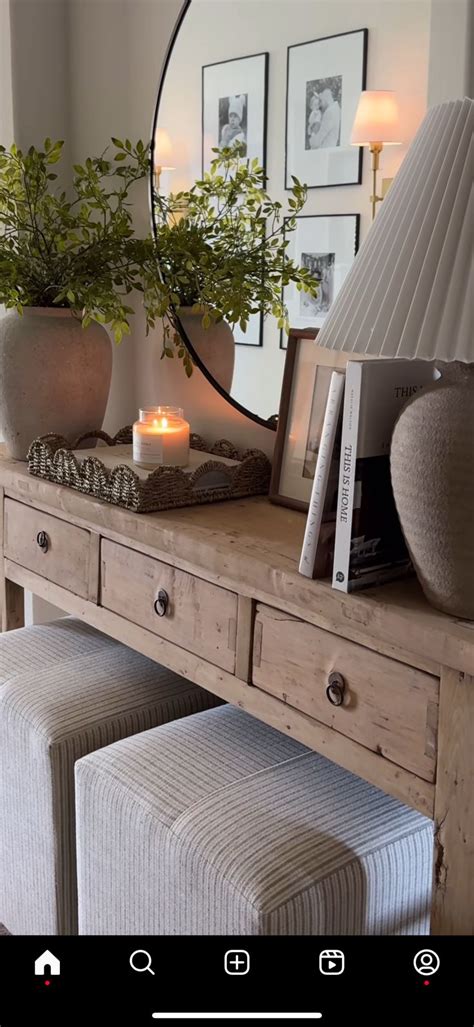
Styling a console table effectively relies on balancing height, texture, and asymmetry to avoid a rigid, staged appearance. A successful arrangement often follows a asymmetrical triangular composition, featuring one anchor object on one side, a lower cluster of items in the center, and a medium-height accessory on the opposite side. Lighting is almost always the best anchor; a slim table lamp or a chic cordless rechargeable lamp adds immediate vertical height and ambient evening illumination to a windowless hallway.
Beyond lighting, incorporate functional accessories that keep clutter out of sight. A stylish leather or ceramic tray corrals everyday essentials like keys, sunglasses, and loose change, ensuring mail does not pile up into visual chaos. To soften the hard lines of wood or metal furniture, introduce organic elements such as a ceramic vase filled with fresh eucalyptus, seasonal branches, or a potted trailing pothos. These natural touches breathe life into the transition zone, making the home feel grounded and welcoming the moment the front door opens.
Anchoring the Wall Above Your Console Table
The wall space directly above an entryway console table requires careful coordination to complete the vignette. Hanging a mirror is a classic design choice because it bounces natural light around the foyer and offers a final spot to check your outfit before walking out the door. When pairing a mirror with a console table, ensure the mirror’s width is roughly two-thirds the width of the table beneath it, preventing awkward scaling issues where the mirror overpowers the furniture.
Alternatively, if your entryway already receives abundant natural light or sits adjacent to a living room window, you might prefer a piece of framed artwork or a small gallery wall arrangement. Artwork introduces personal color palettes and sets an artistic tone for your interior decor style. When hanging art or mirrors above a console table, keep the bottom edge of the frame approximately 6 to 10 inches above the tabletop surface so the objects feel connected rather than floating independently on the wall.
Frequently Asked Questions
What height and depth should an entryway console table be?
Standard entryway console tables are typically between 30 and 36 inches high to match standard furniture proportions and mirror placements. For depth, choose 10 to 12 inches for narrow hallways to maintain walking clearance, and up to 15 to 18 inches for larger foyers where space permits.
How do I style a console table without making it look cluttered?
To avoid clutter, stick to the rule of thirds and limit your surface accessories to three main groupings: a vertical anchor (like a lamp or mirror), a functional tray for small items, and a natural element (like a vase or plant). Leave some negative space visible on the table surface.
What are the must-have accessories for a chic entryway?
Must-have accessories include a functional catch-all tray for keys and mail, an ambient light source such as a table lamp, a mirror or piece of statement artwork on the wall, and a touch of greenery or floral stems to add organic texture.
How can I make a small entryway look bigger using a console table?
Make a small entryway feel larger by choosing a console table with open legs or a glass top that allows light to pass underneath. Hang a large wall mirror above it to reflect light, and keep surface decor minimal to prevent visual heaviness.


