Designing a contemporary living room within the physical and structural constraints of a modern apartment requires a thoughtful balance between high-end aesthetics and everyday practicality. While architectural magazines often showcase sprawling suburban spaces with soaring ceilings, urban apartments call for an entirely different strategic approach. Every square foot must serve a distinct purpose, and every furnishing choice impacts the overall flow, light distribution, and visual breathing room of the home.
Achieving a chic, contemporary atmosphere does not demand massive square footage or permanent architectural modifications. By focusing on low-profile furniture silhouettes, strategic color palettes, layered lighting, and clever multi-functional layouts, apartment dwellers can transform even the most compact footprint into a sophisticated urban sanctuary. Whether you own your home or navigate the strict rules of a rental agreement, these curated design concepts bridge the gap between magazine-worthy style and authentic everyday comfort.
Mastering the Scale: Low-Profile Furniture for Compact Apartments
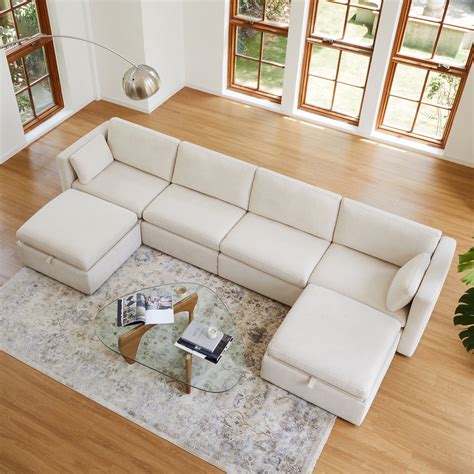
One of the most common pitfalls in apartment decorating is purchasing furniture that overwhelms the physical footprint of the room. Oversized sectional sofas and heavy armoires can instantly shrink a living area, leaving little room to breathe and restricting natural walking paths. Embracing contemporary apartment design starts with selecting low-profile silhouettes that keep eye lines open and maintain an airy, expansive feeling throughout the room.
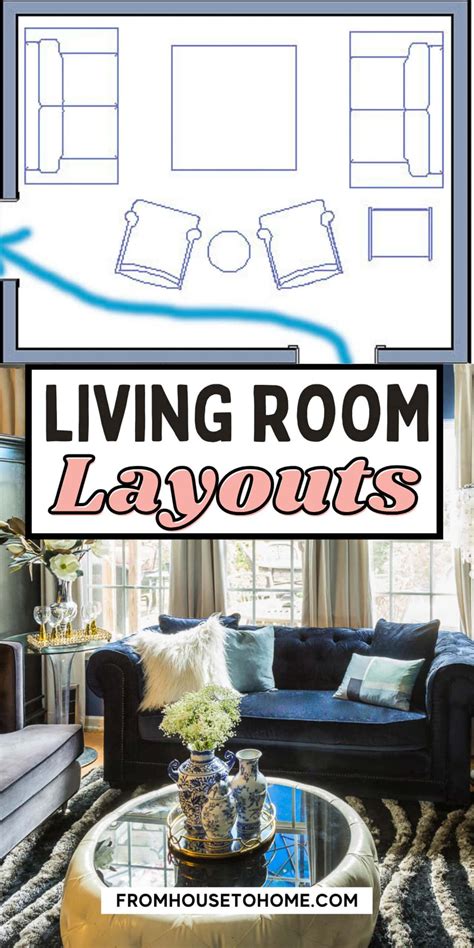
Consider floating your seating arrangements rather than pushing every major piece directly against the perimeter walls. Pulling a compact sofa or streamlined loveseat just a few inches away from the wall creates an unexpected sense of architectural depth. Pair these pieces with slender metal-legged coffee tables or nesting tables that can be easily tucked away or reconfigured depending on whether you are hosting guests or relaxing on a quiet evening at home.
Contemporary Color Palettes: Creating Depth Without Clutter
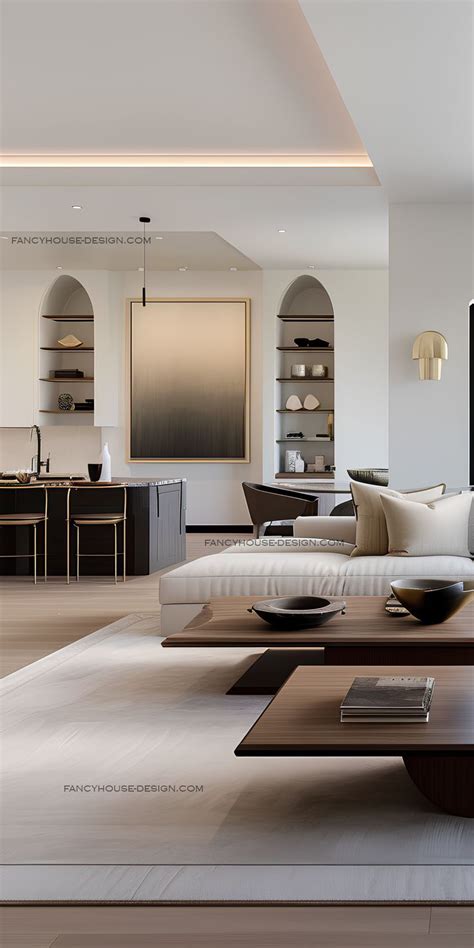
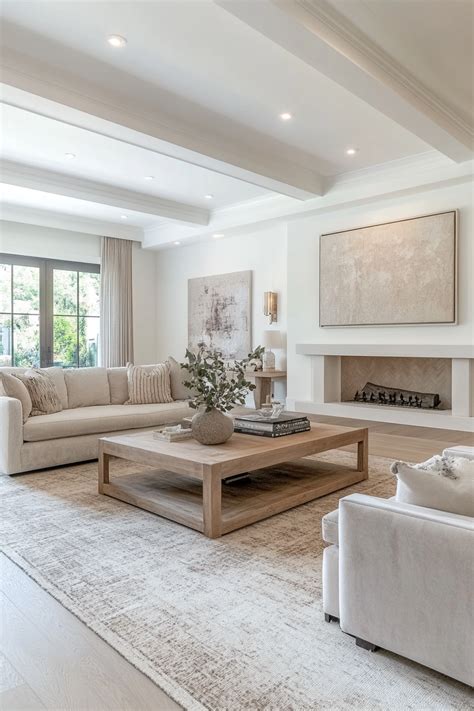
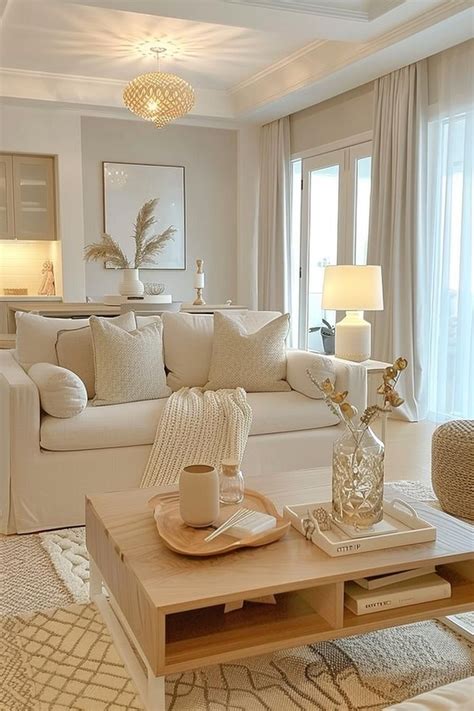
Color has the power to entirely redefine spatial proportions. Contemporary design traditionally leans toward sophisticated neutral palettes, but monochromatic does not have to mean sterile or boring. Layering warm alabaster walls with oatmeal upholstery, brushed brass accents, and rich charcoal textures introduces sophisticated contrast without visually crowding a compact apartment living room.
When introducing accent colors into a modern apartment, focus on tonal harmony rather than jarring contrasts. Muted earth tones like terracotta, sage green, or dusty terracotta allow you to inject personality while maintaining a calm, cohesive environment. If you live in a rental unit where painting walls is prohibited, achieve this color layering through large-scale canvas art, heavyweight throw blankets, and textural area rugs that anchor the space.
Illumination and Reflection: Lighting Strategies for Urban Dwellers
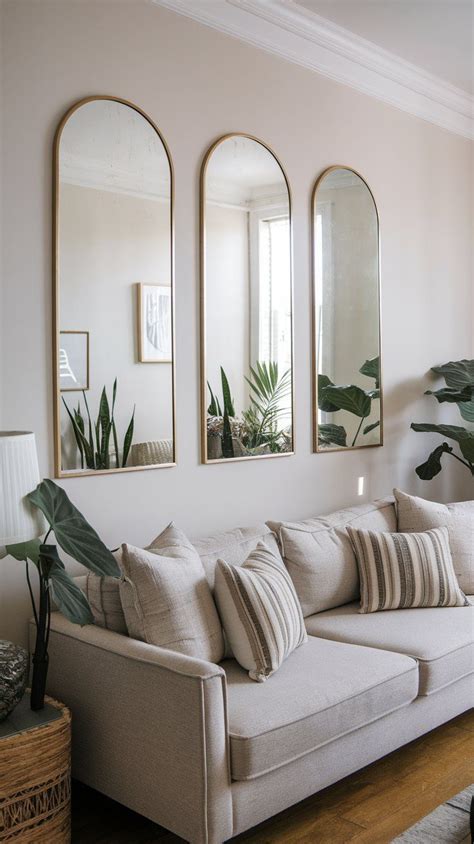
Natural light is often at a premium in modern apartment buildings, making artificial lighting a critical component of successful interior design. Relying solely on harsh overhead ceiling fixtures can flatten a room and create unappealing shadows. Instead, curate a multi-layered lighting scheme that combines floor lamps, directional task lighting, and warm ambient sources placed at varying heights throughout the living space.
Strategic mirror placement serves as an indispensable tool for expanding visual dimensions. Positioning a large, arched floor mirror opposite a primary window reflects natural daylight deep into the interior, instantly doubling the apparent size of the room. Choosing mirrors with sleek, minimalist black or brushed bronze frames reinforces the contemporary aesthetic while serving a vital functional purpose.
Renter-Friendly Upgrades for High-End Contemporary Style
Living in a rented apartment often comes with strict limitations regarding permanent renovations, but modern manufacturing has made it easier than ever to achieve luxury aesthetics without modifying drywall or wiring. Temporary peel-and-stick architectural mouldings, removable wallpaper feature walls, and plug-in wall sconces allow renters to customize their spaces completely damage-free.
Pay close attention to textile choices to soften the hard architectural lines common in contemporary apartment construction. Floor-to-ceiling sheer window treatments draw the eye upward, creating the illusion of higher ceilings while filtering harsh urban glare. Layer a plush, high-pile wool rug over standard wall-to-wall carpeting or hard laminate flooring to define your primary seating zone and introduce rich underfoot texture.
Frequently Asked Questions
How can I make a small apartment living room look bigger?
To maximize a compact living room, choose low-profile furniture that keeps sightlines open, use large mirrors to reflect natural light, and stick to a cohesive, light neutral color palette. Avoid heavy, oversized pieces that block pathways and clutter the floor plan.
What are the key elements of contemporary apartment design?
Contemporary design emphasizes clean lines, functional layouts, neutral foundations, and a mix of organic textures like wood, stone, and woven fabrics. It prioritizes comfortable minimalism, ensuring that every decorative element serves both an aesthetic and practical purpose.
How can I update a rental living room without violating my lease?
Renters can elevate their living spaces using non-permanent solutions such as plug-in wall sconces, peel-and-stick wallpaper, floor-to-ceiling curtain rods mounted with minimal hardware, and freestanding shelving units instead of built-in millwork.
What type of coffee table works best in a small modern living room?
Nesting tables, glass-topped tables, and round or oval designs work exceptionally well in tight spaces. Glass and acrylic create a transparent visual footprint, while nesting tables offer flexible surface area that can be expanded or tucked away as needed.