A well-chosen surface does much more than fill an empty wall. It anchors a room, provides a drop zone for daily essentials, and sets the aesthetic tone the moment you walk through the front door. Whether you are outfitting a compact apartment foyer or balancing an open-concept suburban living room, selecting the right piece requires careful thought regarding scale, proportion, and design harmony. By matching your spatial requirements with a cohesive visual style—such as sleek minimalist lines or cozy rustic warmth—you can transform an awkward walkway or bare wall into an intentional, highly functional design statement.
Navigating Popular Styles: Modern Versus Traditional Farmhouse
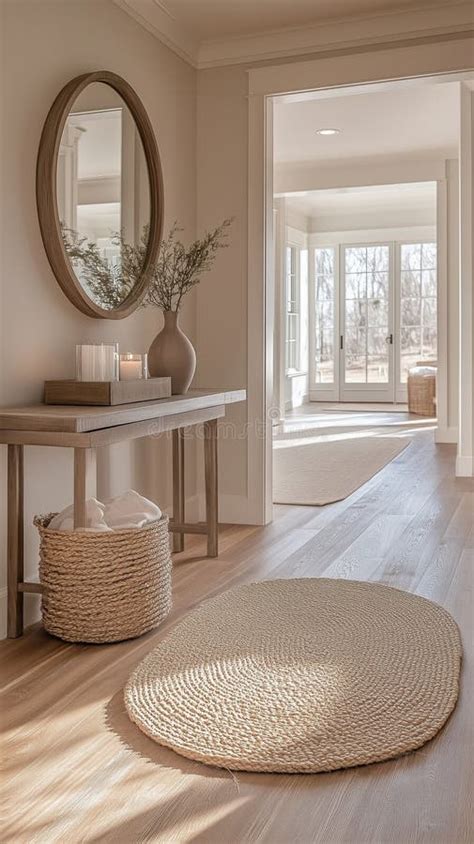
Choosing the right aesthetic depends largely on the existing architectural elements of your home and your personal design preferences. Contemporary designs typically feature clean lines, mixed media elements like brushed brass and tempered glass, and a minimalist silhouette that keeps open-concept spaces feeling light and uncluttered. They rely heavily on geometric simplicity and polished surfaces, making them an ideal choice for urban apartments or modern suburban dwellings where maximizing visual breathing room is a priority.
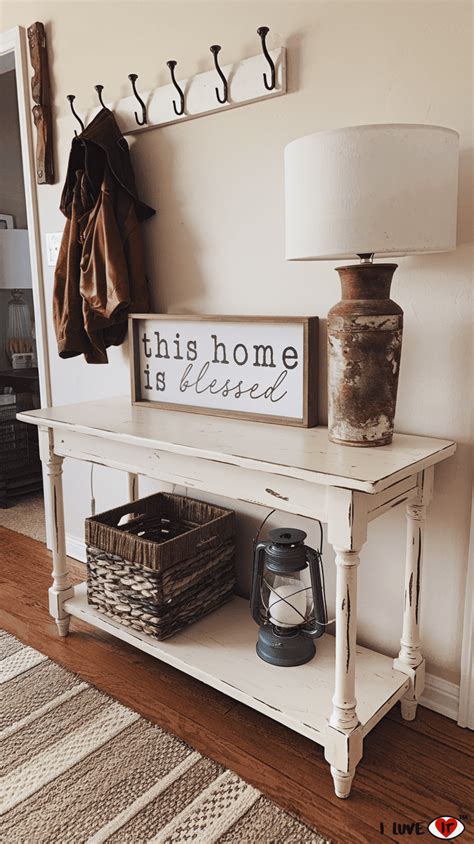
On the other hand, rustic furnishings embrace traditional craftsmanship, visible wood grain, and weathered or distressed finishes that introduce instant warmth. Crafted frequently from reclaimed pine, oak, or sturdy maple, these pieces often incorporate functional details like lower storage shelves, beadboard backing, or wrought-iron hardware. A wooden accent piece adds grounded character to transitional living rooms and creates a welcoming, lived-in atmosphere right in the entryway, balancing rugged durability with timeless charm.
When deciding between these two dominant directions, consider your household’s daily habits and the existing finishes of your flooring and interior doors. Sleek metals and glass reflect light and disappear visually into smaller footprints, whereas solid wood surfaces introduce rich texture that anchors lighter wall colors. Evaluating these trade-offs ensures that your furniture selection enhances rather than competes with your overarching interior vision.
Solving Spatial Challenges: Sizing for Narrow Foyers and Hallways
Proportion is the single most critical factor when selecting an accent table for high-traffic zones like hallways or narrow foyers. In typical American homes, standard entryway clearances require careful measuring to ensure doors can open fully and family members can walk past without obstruction. A narrow profile typically measures between 10 to 14 inches in depth, allowing it to hug the wall securely without protruding into tight walkways.
Height is equally important for both visual balance and ergonomic convenience. Standard pieces usually stand between 30 and 36 inches tall, matching the general height of nearby chair rails, windowsills, or sofa backs. When measuring your space, remember to leave at least 36 inches of clear walking path around the furniture piece. If your foyer is particularly compact, opt for a leggy, open-base metal or glass design rather than a heavy cabinet style, as visible flooring underneath instantly tricks the eye into perceiving a larger space.
Another factor to keep in mind is door swing clearance. Measure the distance from the primary entry door edge to the nearest perpendicular wall when the door is swung wide open. If your measurements fall below standard allowances, prioritize ultra-slim profiles or wall-mounted floating ledges that eliminate floor legs entirely, preserving every possible inch of clear floor space.
Functional Placement: Beyond the Foyer

While traditional foyers are the classic home for an entryway table, these versatile furniture pieces perform exceptionally well in alternative locations throughout the house. Placing a sturdy sofa-back table behind a living room sectional creates a clever room divider in open-floor-plan layouts. This placement provides a convenient surface for task lamps, drink coasters, and decorative trays, grounding floating furniture arrangements that would otherwise drift untethered in the middle of a large room.
In smaller homes or guest bedrooms, a slim furnishing can easily double as a minimalist writing desk or a vanity station when paired with a matching tuck-under stool. By choosing a design that features built-in slim drawers or a drop-down compartment, you gain hidden storage for laptops, stationery, or everyday clutter. This multi-functional adaptability ensures your investment remains useful even if you rearrange your room layouts over time.
Placing a surface beneath a wall-mounted television in a secondary bedroom or den is another smart strategy. Because these tables are shallower than standard media consoles, they keep the floor area clear and prevent the room from feeling cramped while still supporting a cable box, streaming device, or a small decorative basket for remotes.
Curating and Styling Your Table Surface
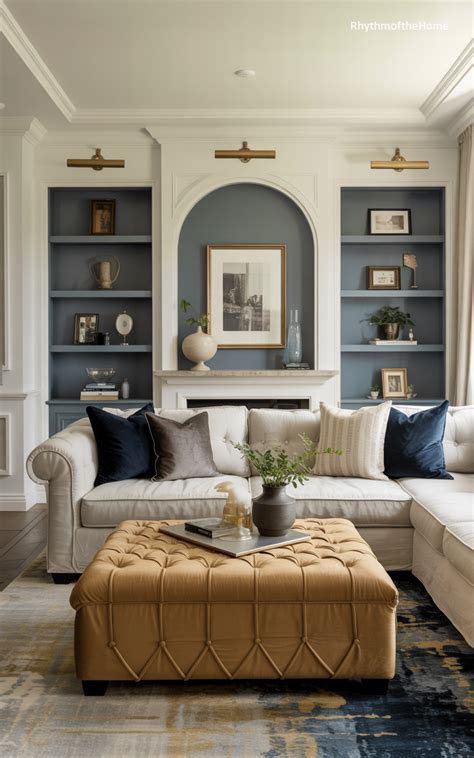
The secret to styling a tabletop surface without generating visual clutter lies in balancing scale, texture, and asymmetrical grouping principles. Begin by establishing a strong vertical anchor against the wall, such as an oversized round mirror, a framed piece of statement art, or a pair of wall sconces. This vertical element draws the eye upward and prevents the horizontal surface from looking disconnected from the rest of the room.
Once your vertical focal point is secure, apply triangular grouping principles across the tabletop surface. Place a taller item—like a ceramic table lamp or a tall glass vase filled with seasonal branches—on one side, balance it with a medium-height stack of coffee table books or a decorative bowl in the center, and leave the opposite side lighter with a low sculptural object. Utilize the lower shelf to store heavier items, such as woven baskets filled with throw blankets, keeping your primary tabletop clean, intentional, and effortlessly sophisticated.
Remember to leave a portion of the surface completely clear of objects. A functional drop zone needs to accommodate keys, mail, or a handbag when family members arrive home. Maintaining open breathing room ensures the arrangement looks thoughtfully curated rather than crowded with unnecessary trinkets.
Frequently Asked Questions
What style of furniture works best for modern homes versus farmhouse aesthetics?
Modern homes benefit from sleek materials like glass, polished metal, and minimalist wooden frames with clean geometric lines. Traditional farmhouse aesthetics call for distressed wood finishes, visible wood grain, planked lower shelves, and antique-inspired hardware that adds warmth and rustic character.
How high and deep should an entryway table typically be?
Standard pieces range from 30 to 36 inches in height to align with common chair rail and sofa heights. For narrow entryways, look for shallow profiles between 10 and 14 inches deep to maintain comfortable walking clearance.
How can I style a surface so it doesn’t look cluttered?
Apply triangular composition rules by creating asymmetrical groupings. Pair a tall vertical element like a mirror or lamp on one side, a medium stack of books in the center, and a simpler object on the opposite side. Keep small loose items contained inside decorative trays.
Can a narrow accent table double as a desk or media unit?
Yes, a wider surface with adequate knee clearance can easily function as a temporary workspace or writing desk. However, ensure the depth is sufficient for a laptop and that any lower shelves do not block your legs when seated.


