Choosing a leather sofa for your American home requires weighing tactile comfort against enduring design aesthetics. Many buyers find themselves torn between a sleek profile that anchors a modern open-concept living room and a plush, sink-in seat designed for weekend relaxation. Fortunately, modern manufacturing allows furniture designers to merge ergonomic support with sophisticated silhouettes, ensuring you never have to choose between how a sofa looks and how it feels after a long day.
When evaluating options for typical US layouts—ranging from compact urban apartments to sprawling suburban family rooms—prioritizing frame integrity, cushion construction, and leather grade makes all the difference. Understanding these core elements ensures your investment ages gracefully, developing a rich patina while maintaining structural support through years of daily use, hosting guests, and family lounging.
Understanding Leather Grades and Comfort Performance
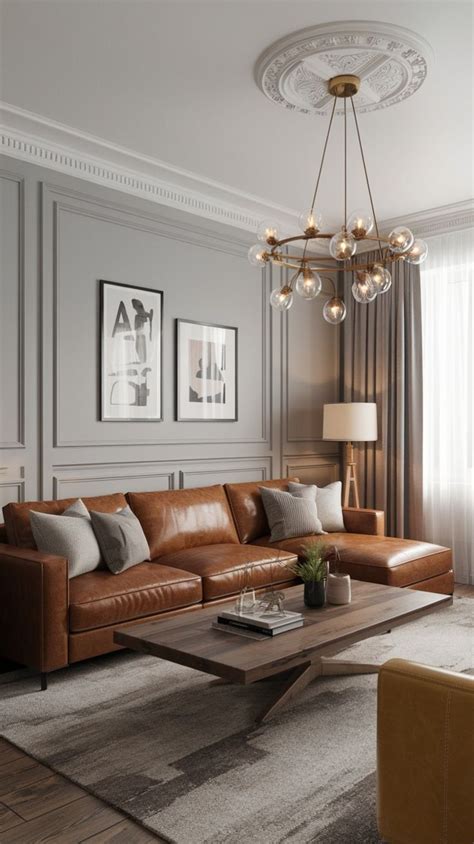
The foundation of any quality leather sofa lies in the hide selection, which directly dictates how the piece feels against your skin and how it handles daily wear. Full-grain leather retains the natural surface imperfections of the hide, offering unmatched breathability and a luxurious, supple texture that softens beautifully over time. While it requires periodic conditioning, it remains the gold standard for buyers seeking authentic character and long-term durability.
Top-grain leather, which has been lightly sanded to remove minor flaws and finished with a protective coating, provides a more uniform appearance and enhanced resistance to stains. This grade strikes an ideal balance for busy households with children or pets, as it withstands everyday friction while retaining a soft, inviting hand-feel. Understanding these distinctions helps buyers align their aesthetic goals with the practical realities of household maintenance and climate adaptation.
Evaluating Cushion Fills and Ergonomic Support
A sofa’s visual appeal can draw you into a showroom or online listing, but internal support determines whether you will actually enjoy sitting on it for hours. High-resiliency foam wrapped in down feathers or synthetic microfibers creates the coveted combination of initial plushness and durable core support. Foam-only cushions offer a firmer, cleaner silhouette that works exceptionally well in formal living spaces, whereas down-blend configurations invite lounging and require occasional fluffing to maintain their shape.
Beyond the cushion core, consider the suspension system hidden beneath the upholstery. Eight-way hand-tied springs or sinuous steel coils distribute weight evenly across the frame, preventing premature sagging in high-traffic spots. Pairing a sturdy internal suspension with appropriate seat depth—typically between 22 and 25 inches for standard frames—ensures optimal leg support and effortless posture alignment for various body types.
Our Seven Curated Leather Sofa Styles for US Living Spaces
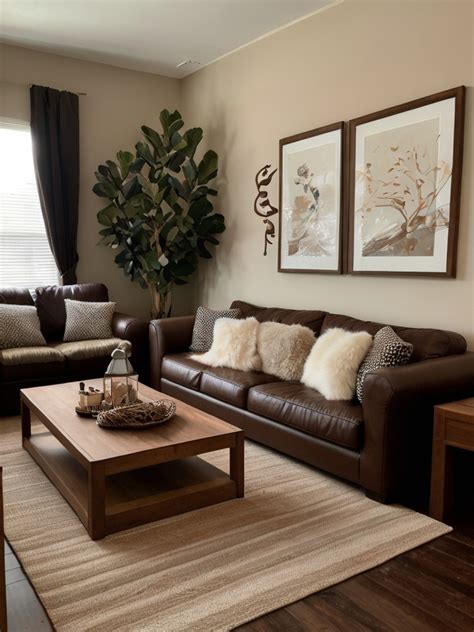
Curating a list of top leather sofas involves assessing diverse interior design styles paired with real-world usability. The following seven selections represent distinct archetypes that excel in marrying visual elegance with exceptional comfort across different American home environments.
1. The Mid-Century Modern Tufted Bench Seat
Characterized by clean geometric lines, tapered wooden legs, and a single long bench cushion, this style anchors minimalist and transitional living rooms with effortless sophistication. The firm yet supportive bench cushion prevents uneven sinking, while the angled backrest encourages upright conversation without sacrificing relaxation.
2. The Deep-Seated Lawson Profile for Family Rooms
Designed with lower, squared-off arms and loose back pillows, the Lawson silhouette is a staple in suburban family homes. Generous seat depth and down-filled cushions invite effortless lounging, making it an ideal choice for movie nights and casual gatherings where comfort reigns supreme.
3. The Industrial Top-Grain Chesterfield
Featuring iconic deep button tufting, rolled arms of equal height, and distressed pull-up leather, the Chesterfield brings timeless academic charm to urban lofts and studies. Modern interpretations often incorporate pocket-coil seat inserts beneath the classic surface to modernize the seating experience without altering the stately exterior.
When styling a traditional Chesterfield in an open-plan apartment, balancing its heavy visual weight with slender, metal-framed accent chairs prevents the room from feeling cramped. The distressed leather finish also offers high forgiveness for minor scratches, making it surprisingly practical for active households seeking a balance of heritage styling and everyday durability.
4. The Modular Sectional for Open-Concept Layouts
Sprawling L-shaped and U-shaped modular leather sectionals provide ultimate flexibility for large family rooms and open-concept floor plans. Independent modules allow homeowners to reconfigure the layout depending on seasonal hosting needs, while durable top-grain finishes handle high-frequency traffic across multiple seating zones.
5. The Streamlined Track-Arm Apartment Sofa
Narrow track arms and a compact overall footprint make this style indispensable for city apartments and smaller dens where every square inch matters. Despite its slender profile, clever internal engineering ensures comfortable seating depth, proving that modest proportions do not require compromising on ergonomic comfort.
6. The Reclining Leather Sofa with Hidden Mechanics
Combining the sleek look of a stationary sofa with powered reclining footrests and adjustable headrests, this design caters directly to media rooms and dedicated home theaters. High-grade upholstery conceals modern motor mechanisms seamlessly, delivering personalized comfort without sacrificing living room aesthetics.
7. The Relaxed Sloping Arm English Roll Arm
With its soft, pleated rolling arms and plush cushioning, the English roll arm sofa introduces a touch of casual traditional elegance. This silhouette pairs wonderfully with neutral textiles, textured throw blankets, and warm wooden accents, creating an inviting focal point for cottage-style or transitional American homes.
Sizing and Spatial Planning for Your Living Room
Before purchasing any leather sofa, careful measurement of your room dimensions and entry pathways is essential to avoid delivery complications. Account for clearance space around the coffee table—ideally 14 to 18 inches—and ensure that foot traffic paths remain unobstructed by extended chaise ends or bulky armrests. Using painter’s tape to outline the sofa’s exact footprint on your floor helps visualize scale before committing to a final order.
Climate considerations also play a role in placement, particularly in regions with extreme seasonal humidity shifts or intense direct sunlight. Position your leather furniture away from large south-facing windows or heat vents to prevent premature drying and fading, and apply a specialized leather conditioner biannually to preserve suppleness and natural moisture balance.
Frequently Asked Questions
What type of leather is best for homes with pets or children?
Top-grain leather treated with a protective pigmented finish is generally the best choice for households with active pets or young children. It resists stains, wipes clean easily, and handles claws or minor scuffs better than delicate aniline or full-grain varieties.
How do I prevent my leather sofa from feeling too hot or cold?
Leather naturally adjusts to ambient room temperature, but it can feel chilly in winter and sticky in summer. Using breathable cotton or wool throw blankets and styling the sofa with textured pillows helps manage surface temperature while adding cozy aesthetic layers.
How often should I condition a leather sofa?
In most indoor climates, conditioning your leather sofa every six to twelve months keeps the material supple and prevents cracking. Homes located in particularly dry desert climates or heated winter environments may benefit from more frequent treatments using a pH-balanced leather conditioner.
Are modular leather sectionals difficult to configure in small spaces?
Modular sectionals actually offer greater versatility than fixed pieces because you can separate or rearrange components to fit awkward nooks or narrow entryways. Always measure doorway widths and hallway clearance before ordering large multi-piece configurations.


