When a living room starts to feel flat, uninspired, or disconnected, the instinct is often to look for a complete overhaul—new seating, fresh wall paint, or expensive custom built-ins. Yet, achieving a high-end, professionally designed feel rarely requires starting from scratch. Instead, the secret often lies in thoughtful editing and the strategic layering of essential furniture accessories. By focusing on textiles, lighting, surface decor, and botanical touches, you can dramatically shift the mood of your space while maintaining the functional layout that suits your daily routine.
American homes and apartments vary dramatically in scale, from sprawling suburban open-concept layouts to compact urban rentals. This diversity means that accessories must serve a dual purpose: they need to deliver strong visual character while solving practical spatial challenges. Whether you want to anchor a floating furniture arrangement with a properly proportioned area rug or bring warmth into a stark modern room through tactile woven throws, the right accessories bridge the gap between architectural emptiness and true domestic comfort.
Layering Textiles for Instant Warmth and Visual Depth
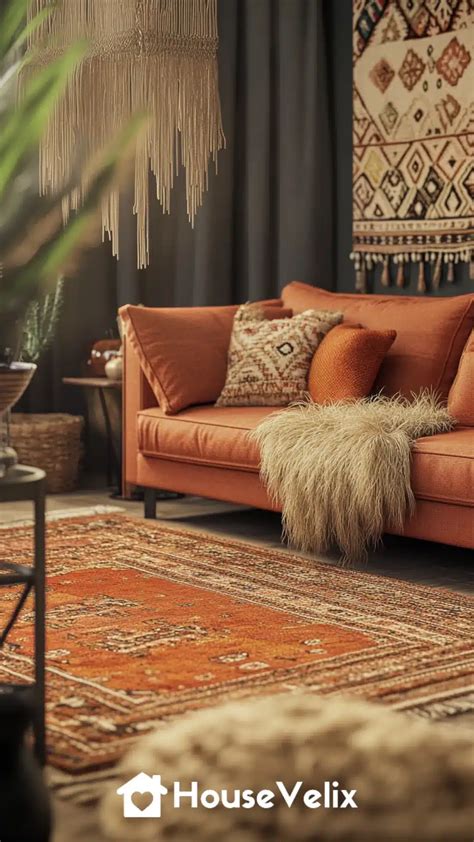
Textiles represent the soft architecture of any living room. Without rugs, drapery, throw pillows, and blankets, even the most exquisitely crafted wooden and upholstered furniture can feel stark and uninviting. To achieve a layered look that feels collected rather than showroom-standard, focus on mixing different weights, weaves, and tactile finishes throughout the space.
Area rugs perform the vital structural task of anchoring your seating arrangement. In many standard American living rooms, a common mistake is selecting a rug that is far too small, leaving furniture floating awkwardly off the edges. Ideally, choose an area rug large enough so that at least the front legs of your sofa and armchairs rest comfortably on the fabric. This single adjustment instantly unifies the conversation zone and makes the entire room feel more expansive and intentionally designed.
When styling with throw pillows and blankets, embrace the rule of contrast. If your sofa features a smooth, tightly woven neutral upholstery, introduce chunky knit blankets, velvet lumbar pillows, or patterned linen shams. Varying the shapes—combining square euro shams with rectangular lumbars and cylindrical bolsters—prevents the arrangement from looking overly formal while inviting everyday lounging.
Balancing Light with Multi-Layered Illumination
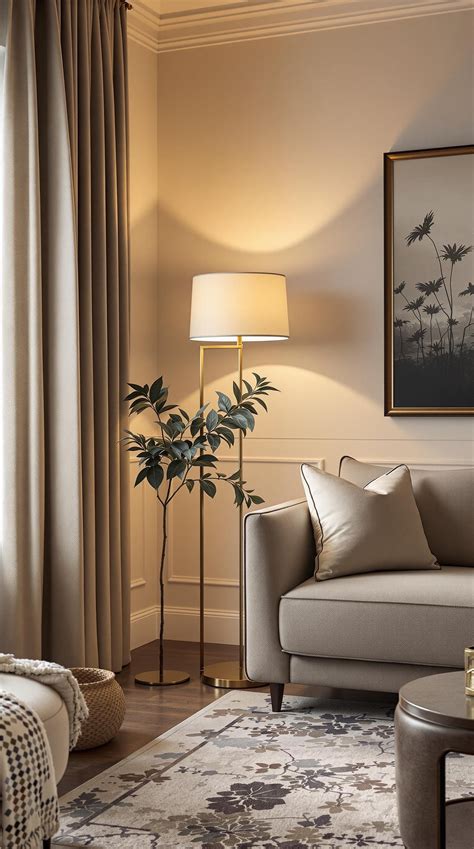
Overhead lighting alone rarely creates a welcoming atmosphere in a living room. Relying exclusively on a central ceiling fixture or harsh recessed cans flattens the room’s dimensions and creates harsh shadows. Designing an effective lighting scheme requires three distinct layers: ambient, task, and accent lighting, each delivered through specialized accessories.
Floor lamps and table lamps serve as both functional illumination tools and sculptural art pieces in their own right. A sleek, arching floor lamp can pull double duty by hovering over a reading corner while visually defining an empty corner. Meanwhile, placing smaller ceramic or glass table lamps on console tables, sideboards, or bookshelves introduces low-level warmth that mimics the intimacy of natural candlelight.
Consider the color temperature of your light bulbs when styling these fixtures. Opting for warm white bulbs between 2700K and 3000K ensures that your living room feels cozy and residential rather than clinical or commercial. Dimmable floor and table lamps further enhance versatility, allowing you to transition the space effortlessly from bright daytime productivity to mellow evening relaxation.
Curating Functional Surface Decor and Coffee Tables
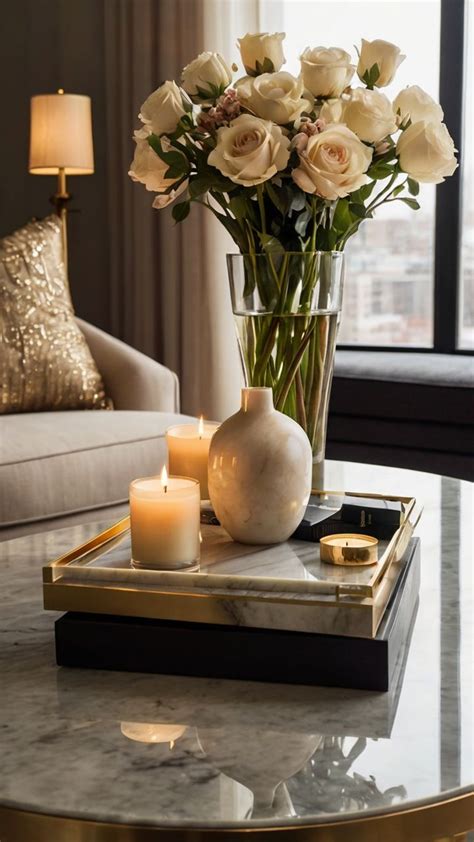
The coffee table and side tables are the ultimate staging grounds in any living room. When these surfaces are left entirely bare, they feel neglected; when they are overcrowded with random items, they generate visual clutter. The key is to curate a balanced arrangement that marries everyday utility with curated design sensibility.
A reliable approach for styling a rectangular or square coffee table involves dividing the surface into quadrants. Place a grounding element in the center, such as a large wooden or woven tray. Inside the tray, group items of varying heights—perhaps a scented candle in a glass jar paired with a small decorative bowl for remotes or coasters. Flank the tray with a stack of two or three large-format coffee table books topped with a small sculptural object.
Coffee table books offer a fantastic opportunity to showcase personal interests, travel photography, architecture, or fine art while adding height and rich color to the room. When choosing decorative objects, apply the classic rule of three, grouping items in odd numbers because the human eye naturally finds asymmetrical arrangements more dynamic and engaging than even pairs.
Introducing Wall Accents and Mirrors to Expand Space
Vertical surfaces offer prime real estate for enhancing natural light and introducing architectural interest, particularly in rental properties where permanent structural modifications are restricted. Mirrors are among the most powerful accessories available, capable of bouncing natural sunlight deep into the room and creating an illusion of expanded square footage.
Positioning a large statement mirror directly opposite a window maximizes the outdoor view and brightens darker interior walls. If a massive statement mirror feels too overwhelming, consider grouping a collection of smaller framed art prints or photography with matching mats. Maintaining consistency in the framing material—such as slim black metal or warm natural oak—keeps gallery walls looking cohesive rather than chaotic.
Floating shelves also provide a wonderful way to display rotating seasonal accents without committing to heavy built-in cabinetry. On these shelves, layer framed prints leaning against the wall alongside small trailing plants and ceramic vessels. This approach allows you to refresh your living room’s aesthetic effortlessly as your tastes evolve or as the seasons change throughout the year.
Infusing Nature Through Botanical Elements and Greenery
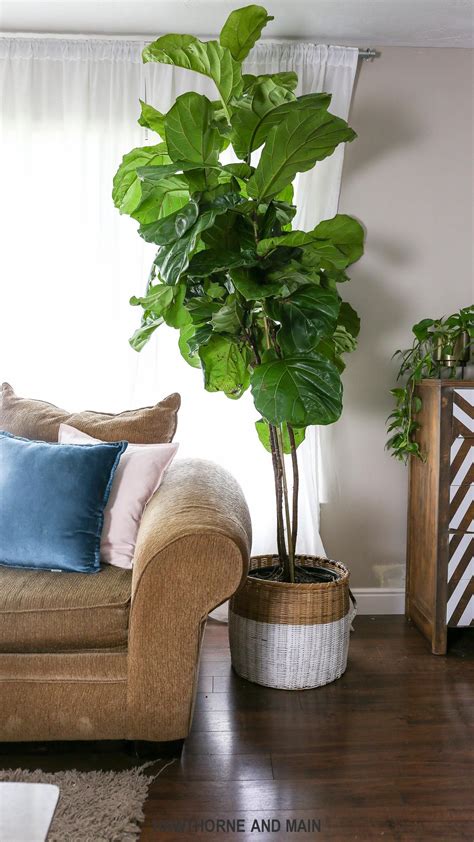
No living room styling scheme is truly complete without bringing a touch of the outdoors inside. Houseplants, dried florals, and natural wood elements introduce organic shapes and vibrant textures that synthetic materials simply cannot replicate. Even if you lack a dedicated green thumb, numerous resilient plant options thrive indoors with minimal attention.
Tall floor plants like the Fiddle Leaf Fig, Snake Plant, or Monstera Deliciosa work wonders in filling awkward empty corners next to media consoles or windows. For lower-maintenance options, place smaller potted succulents, pothos, or ZZ plants on bookshelves, side tables, or windowsills where they can catch indirect sunlight. Elevated plant stands made of brass, wood, or ceramic add height variation to floor layouts.
If keeping live plants alive proves challenging, dried botanicals such as pampas grass, eucalyptus branches, or bunny tails arranged in a ceramic urn offer architectural elegance without any watering requirements. Combined with woven baskets, natural stone coasters, and untreated wood accents, these botanical touches ground your living room in a warm, earthy authenticity that makes coming home a true pleasure.
Frequently Asked Questions
What living room accessories make a space look more expensive or cohesive?
Accessories that elevate a room include oversized area rugs that properly anchor furniture, layered lighting sources like dimmable table lamps, matching hardware finishes, and styled coffee table trays that eliminate surface clutter. High-texture elements like chunky knit throws and linen pillows also add sophisticated depth.
How do I choose the right size rug for my living room furniture?
A common pitfall is buying a rug that is too small. Ideally, choose an area rug large enough so that at least the front legs of your sofa and primary armchairs rest on the material. This connects the seating arrangement into a unified zone rather than making furniture look isolated.
How can I mix textures and colors effectively without overwhelming the room?
Start with a neutral foundation of larger furniture pieces, then layer in accent accessories using a cohesive color palette of two or three complementary hues. Mix tactile finishes—such as smooth leather, nubby wool, sleek glass, and rustic wood—to create visual interest without relying on loud patterns.
What are essential accessories for renters who cannot make permanent changes?
Renters can dramatically transform their living spaces using non-permanent accessories like plug-in wall sconces, large area rugs, freestanding mirrors, floor-to-ceiling curtain rods using existing mounting points, and versatile shelving units that don’t require heavy wall anchoring.


