When updating a home interior, finding furniture pieces that successfully balance visual warmth with daily practicality can feel like a challenge. An oak console table offers a sophisticated solution that anchors a room without overwhelming the floor plan. Whether you live in a sprawling suburban residence or a compact urban apartment, introducing natural wood elements helps ground the space, bringing an organic texture that manufactured materials simply cannot replicate.
Oak has long been favored in residential design for its exceptional durability and rich grain patterns. By carefully selecting the right finish, scale, and placement, you can turn a simple transitional surface into a striking focal point. This guide explores everything you need to know about integrating an oak console table into your home, from understanding wood variations to mastering the art of balanced surface styling.
Why Oak Remains a Gold Standard in Residential Design
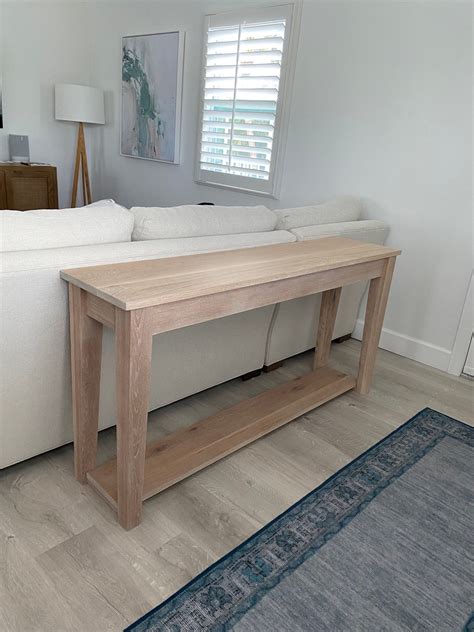
Solid oak is renowned for its remarkable structural integrity and heavy, dense grain that withstands the test of time. Unlike softer woods that easily dent or scratch during daily use, oak handles high-traffic zones like entryways and busy hallways with remarkable grace. Its natural resilience makes it an investment-grade material that ages beautifully, developing a subtle patina over years of household activity.
Beyond durability, oak brings a distinct visual versatility to interior spaces. The wood’s characteristic open grain takes stains and finishes exceptionally well, allowing it to adapt to diverse design preferences. A wire-brushed white oak lends an airy, contemporary California-casual vibe, whereas a deeper golden or smoked oak finish leans into traditional warmth. This adaptability ensures that your console table can transition smoothly if you decide to update your surrounding wall colors or soft furnishings later on.
Understanding Grain Patterns and Sustainable Sourcing
When shopping for oak furniture, you will typically encounter either red oak or white oak. White oak features a tighter grain pattern with subtle gray-brown undertones, making it a favorite for modern and Scandinavian-inspired interiors. Red oak displays warmer, pinkish hues with prominent, sweeping cathedral grain markings that add a classic character to transitional and rustic settings.
As conscious consumers increasingly prioritize environmental responsibility, selecting sustainably harvested wood has become a primary purchasing criterion. Look for manufacturers and artisans who utilize lumber certified by organizations like the Forest Stewardship Council (FSC). Choosing pieces crafted from reclaimed oak or responsibly managed domestic forests ensures your decor choice supports ecological balance while delivering authentic heirloom quality.
Strategic Placement: Where to Position Your Console Table
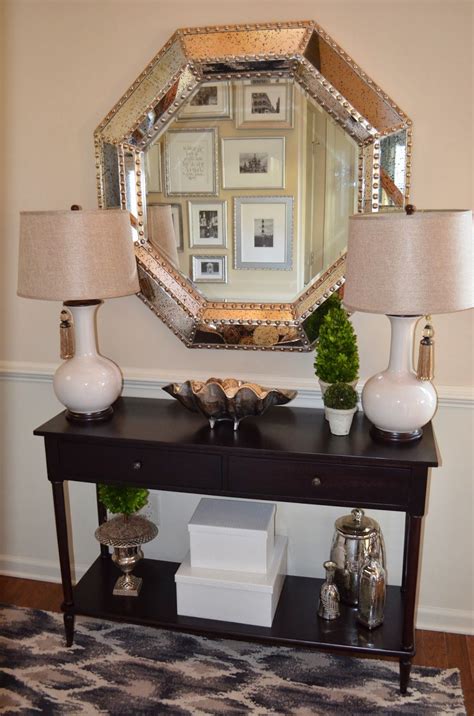
The entryway serves as the introduction to your home, making it the most classic destination for a console table. Placing a slim profile table near the front door establishes an immediate sense of organization and hospitality. It provides a convenient drop zone for keys, mail, and everyday essentials while framing a mirror or piece of wall art to greet guests warmly.
Living rooms also benefit immensely from the addition of a wooden console table, particularly when placed against the back of a floating sofa. In open-concept floor plans common in many contemporary homes, a sofa-backed console helps define room zones without building physical walls. Alternatively, positioning a console along a blank hallway wall breaks up monotony and provides a stage for curated decor displays, transforming dead space into a functional gallery area.
Sizing for Narrow Spaces and High-Traffic Hallways
Before purchasing any console table, precise measurement of your available clearance space is essential. In narrow entryways or hallways, maintaining at least 36 inches of clear walking path ensures the area never feels cramped or hazardous. Standard console depths range from 12 to 18 inches, with shallow designs working best in compact corridors.
Height is another critical dimension to consider relative to your surrounding architectural features. Most standard console tables stand between 30 and 34 inches tall, aligning comfortably with standard doorknob height and standard living room seating. If you plan to mount a television above a living room console, ensure the table width is at least a few inches wider than the screen to maintain visual balance.
Mastering the Art of Surface Styling
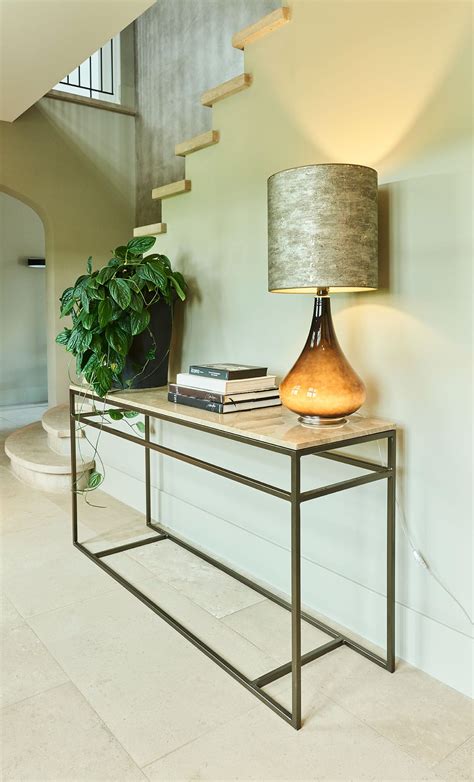
Styling an oak console table requires a thoughtful approach to composition, height variation, and negative space. Avoid the temptation to clutter the entire surface with small trinkets. Instead, apply the rule of threes by grouping decorative objects in odd-numbered clusters, which naturally draws the human eye and creates a more pleasing visual rhythm.
Anchor one side of the table with a taller vertical element, such as a sculptural table lamp or a framed piece of art leaning against the wall. Balance this height on the opposite side with a medium-sized ceramic vase or a stack of hardcover design books. Leaving a portion of the beautiful oak grain exposed prevents the display from feeling overcrowded, allowing the natural material to remain a star of the arrangement.
Incorporating Functional Storage and Textural Contrasts
Functional decor keeps your console table practical as well as beautiful. Placing a lidded ceramic bowl or a woven basket underneath or on top of the table provides hidden storage for loose items like sunglasses, charging cords, or spare keys. This keeps the surface tidy while introducing complementary natural textures like jute, leather, or ceramic.
Consider layering materials to enhance the tactile experience of the room. Pair the warm, matte finish of the oak wood with cool metallic accents, such as a brass tray or iron candle holders. Adding a small potted plant or a seasonal botanical stem brings organic life to the vignette, tying the wooden furniture piece back to the broader natural environment.
Long-Term Care and Maintenance for Oak Wood
Preserving the natural beauty of your oak console table requires simple, consistent maintenance habits. Dust the surface weekly using a soft, microfiber cloth to prevent microscopic dirt particles from settling into the wood grain. Avoid commercial dusting sprays containing silicone, as these can leave a residue that dulls the finish and attracts more dust over time.
Protect your investment by using coasters under drinks and trivets under any decorative objects that might scratch the surface. If your table features an oiled finish rather than a heavy polyurethane coat, you may need to apply a nourishing wood oil once or twice a year to maintain its moisture balance and rich luster. Always wipe up liquid spills immediately to prevent water rings from forming on the untreated or semi-porous grain.
Frequently Asked Questions
Where should I place an oak console table in my home?
An oak console table works best in entryways as a drop-zone for daily essentials, behind a floating sofa in an open-concept living room to define spaces, or along a blank hallway wall to add character and display decor.
How do I style a console table surface effectively?
Use the rule of threes to group objects of varying heights. Anchor one side with a tall lamp or framed art, balance the other with books or a vase, and leave some of the wood grain visible to maintain an uncluttered, elegant look.
What oak finish works best with my existing decor?
White oak with a matte or wire-brushed finish suits modern, minimalist, and Scandinavian interiors. Golden or smoked red oak finishes complement traditional, transitional, and rustic decors with their rich, warm undertones.
How do I measure for a console table in a narrow entryway?
Measure your available depth, ensuring you leave at least 36 inches of clear walking space. Opt for a shallow profile console (12 to 14 inches deep) so the piece enhances the room without obstructing traffic flow.


