Investing in a leather furniture set instantly transforms a living room, bringing a sense of warmth, sophistication, and enduring character into the home. Across American households, from sprawling suburban family rooms to compact urban apartments, leather seating remains a favorite choice due to its impressive durability and timeless appeal. However, shopping for leather furniture involves much more than simply picking a color that matches your walls. Understanding the unique grades of leather, evaluating room proportions, and planning for daily household use are essential steps to ensure your investment looks stunning and performs reliably for years to come.
When approaching this purchase, homeowners must balance aesthetic desires with practical realities. A glossy, highly treated hide offers very different performance characteristics compared to a supple, natural-finish alternative. By breaking down the selection process into manageable decisions regarding material quality, layout planning, and routine care, you can confidently build a comfortable and cohesive living space tailored to your household’s rhythm.
Understanding Leather Grades and Finishes
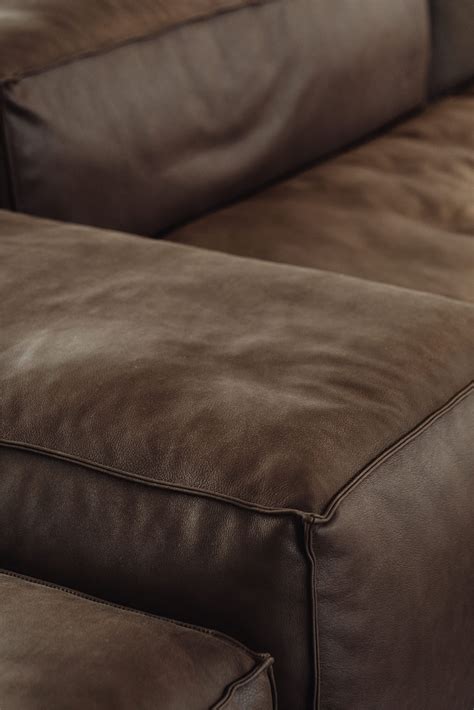
The foundation of any quality leather set lies in the grade of the hide. Full-grain leather is widely considered the gold standard for durability and authenticity. Because the hide is left completely intact without sanding or buffing, it retains natural markings and develops a rich patina over time. While it represents a higher upfront investment, full-grain upholstery breathes well and withstands decades of regular use when properly conditioned.
Top-grain leather is the most common choice found in many contemporary US homes. This grade undergoes light sanding to remove natural imperfections, followed by a protective finish that makes it more resistant to stains and spills. For households with active children or frequent guests, top-grain offers a reliable middle ground between luxurious tactile comfort and everyday practicality. Bonded leather, on the other hand, consists of shredded leather scraps fused together with polyurethane. While budget-friendly, it lacks the longevity and breathability of genuine hides, often peeling after a few years of heavy use.
Matching Leather Furniture to American Interior Styles
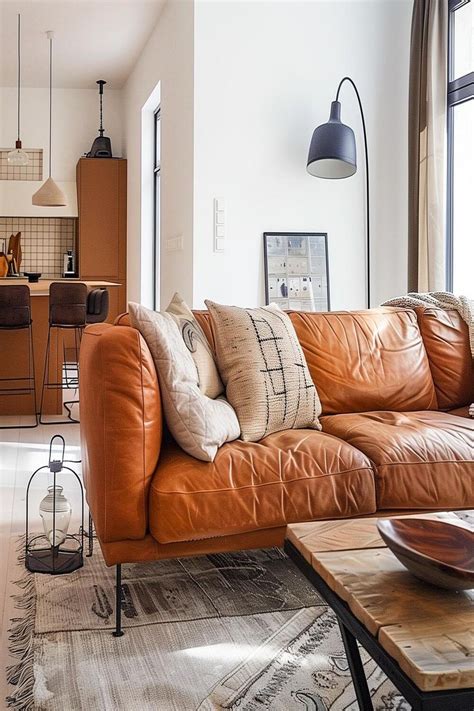
Leather furniture adapts remarkably well to a diverse range of interior design themes popular across the United States. In a modern industrial loft or a transitional suburban home, a deep chestnut or cognac brown leather sofa anchors the room with organic warmth. Paired with iron accents, textured wool rugs, and matte black lighting fixtures, the space feels grounded and intentionally curated rather than sterile.
For coastal or farmhouse aesthetics, lighter neutral tones such as warm taupe, soft cream, or weathered gray introduce an airy, relaxed atmosphere. A streamlined leather armchair paired with woven cotton throws and light wood furniture prevents the heavy visual weight often associated with traditional dark leather. The secret to successful styling lies in mixing textures; combining smooth leather surfaces with tactile elements like boucle pillows or chunky knit blankets creates a balanced, layered room composition.
Spatial Planning and Layout for US Floor Plans
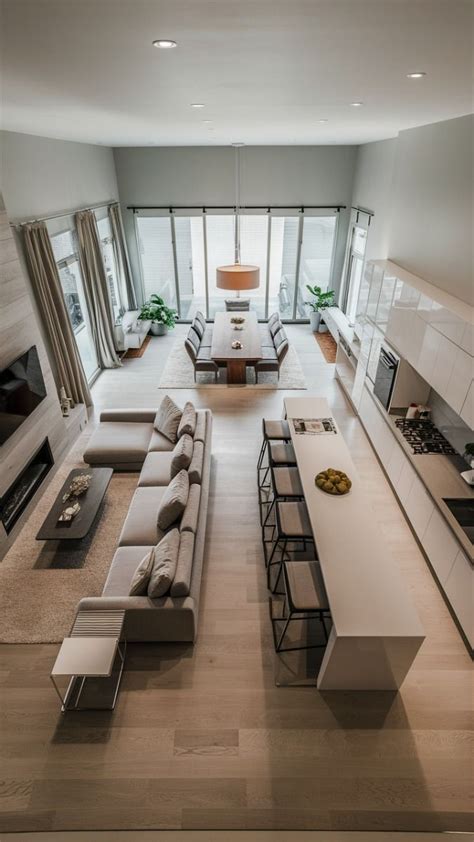
American living rooms vary significantly in scale, ranging from open-concept suburban great rooms to narrow urban rowhouse layouts. Before purchasing a sectional or matching sofa and loveseat set, measure your floor space carefully and map out pathways for foot traffic. In open-concept areas, a large L-shaped leather sectional effectively zones the space, visually separating the seating area from the kitchen or dining space without the need for physical room dividers.
In more modest living rooms, consider a compact sofa paired with a pair of leather accent chairs rather than an oversized matching set. This configuration maintains an open line of sight and allows for flexible seating arrangements when hosting visitors. Always leave at least eighteen inches of clearance between your leather seating and coffee tables to ensure comfortable legroom and effortless movement throughout the room.
Maintenance Realities: Keeping Leather Supple and Clean
One of the most common questions homeowners ask involves the upkeep required to keep leather furniture looking pristine. Unlike fabric upholstery that traps dust and absorbs spills deeply into the fibers, leather sits closer to the surface, making accidental liquid spills easier to blot away with a dry cloth. However, leather remains sensitive to environmental factors common in US homes, such as direct sunlight and dry indoor heating systems.
To prevent cracking and fading, position your leather seating away from heating vents and direct southern-facing windows where possible. Applying a specialized leather conditioner every six to twelve months helps replenish natural oils and keeps the material soft. Regular dusting with a soft microfiber cloth prevents abrasive dirt particles from settling into the natural crevices of the grain, ensuring your furniture maintains its refined appearance year after year.
Frequently Asked Questions
Is leather furniture a good choice for households with pets?
Top-grain leather is often more pet-friendly than woven fabrics because animal hair does not weave into the material and can be wiped away easily. However, sharp claws can puncture or scratch softer leather finishes. Choosing a heavier, distressed top-grain leather helps mask minor claws marks as part of the natural patina.
How can I prevent my leather sofa from sticking to my skin in summer?
Leather naturally adjusts to body temperature, but high humidity or warm weather can cause temporary sticking. Draping lightweight, breathable natural-fiber throws such as linen or cotton over the seating areas provides a comfortable barrier while maintaining the stylish look of the leather furniture underneath.
What is the difference between aniline and semi-aniline leather?
Aniline leather is dyed exclusively with soluble dyes without any protective surface coating, preserving its ultra-soft, natural feel. Semi-aniline leather features a light protective pigment coating that increases resistance to stains and fading, making it a more practical choice for busy family rooms.
How long should a quality leather furniture set last?
A well-crafted full-grain or top-grain leather sofa built on a kiln-dried hardwood frame can easily last anywhere from fifteen to twenty years or more, making it a durable, long-term investment for your home.


