When planning a living room update, few furniture investments anchor a space quite like a genuine leather sofa. Across American households, from urban high-rise apartments to sprawling suburban ranch homes, leather seating offers a unique intersection of tactile luxury, robust durability, and classic style. Unlike fabric upholstery that can trap dust, absorb odors, and show wear within a few short years, high-quality leather responds to daily life by softening and developing a rich, character-filled patina. Understanding how to select the right grade, match it to your interior design preferences, and maintain it properly ensures that your investment will serve your household comfortably for decades to come.
Why Choose Genuine Leather for U.S. Living Spaces?
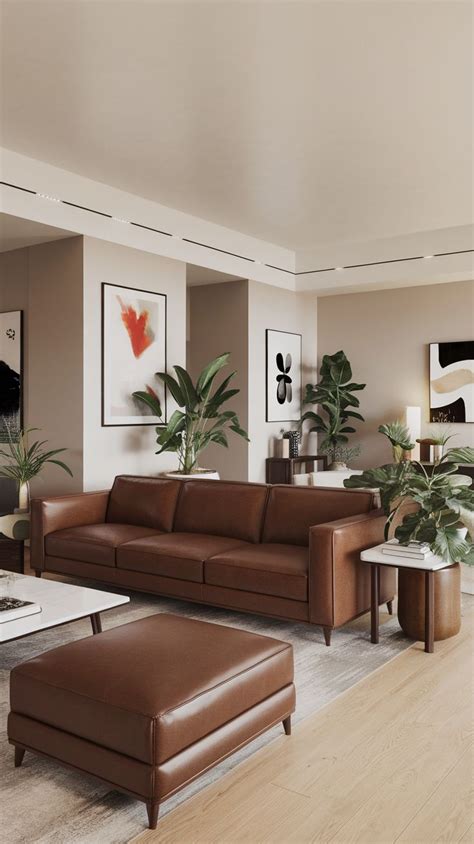
Choosing upholstery for a central gathering space involves weighing comfort against practical realities like climate, cleaning routines, and household activity. Genuine leather excels in American homes because it adapts seamlessly to diverse environments. In colder northern regions, premium leather feels warm and inviting once it adjusts to room temperature, while in warmer southern or coastal climates, breathable high-grade hides offer a cool, comfortable seating surface that avoids the humidity-trapping tendencies of heavy synthetic weaves.
Beyond climate performance, genuine leather is exceptionally hypoallergenic. Because the material lacks the loose fibers and deep weaves found in traditional fabrics, it does not harbor dust mites, pet dander, or pollen in the same way. This makes it a smart choice for families managing allergies or asthma. Furthermore, the sensory experience—ranging from the distinct, rich aroma of natural hides to the supple feel of the surface—adds an unmistakable layer of sophistication that elevates the entire ambiance of a living room.
Decoding Leather Grades: Full-Grain, Top-Grain, and Beyond
Navigating the upholstery market requires looking past marketing labels to understand the actual composition of the leather. Not all leather products are created equal, and knowing the distinctions prevents costly mistakes. The highest tier of upholstery material is full-grain leather, which utilizes the entire hide with all of its natural grain and markings intact. Because it undergoes minimal processing, full-grain leather is exceptionally durable and breathes remarkably well, eventually developing a magnificent patina that tells the visual story of your home.
Top-grain leather is the most common choice for high-end residential furniture in the United States. This grade has the outermost layer lightly sanded or buffed to remove minor imperfections, then treated with a protective finish. It offers a more uniform appearance than full-grain while maintaining great strength and softness. Buyers should exercise caution with lower-tier options like split leather or bonded leather, which consist of leather scraps fused with adhesives and plastics. Bonded leather lacks the tensile strength and longevity of genuine hides, often peeling or cracking within a few years of regular use.
Styling Your Leather Sofa Across American Interior Designs
One of the greatest assets of a genuine leather sofa is its remarkable design versatility. Whether your home leans toward sleek contemporary minimalism or cozy rustic warmth, a well-chosen leather couch acts as a foundational anchor. In a classic modern or mid-century modern setting, a clean-lined cognac or chestnut brown leather sofa introduces organic warmth that balances stark architectural lines, concrete floors, and large glass windows.
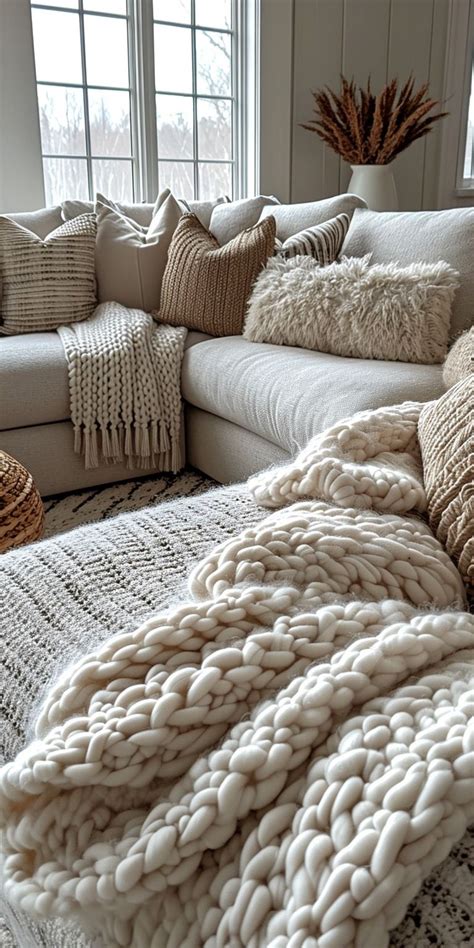
For traditional American farmhouse or transitional spaces, a rich chocolate brown or weathered oxblood leather Chesterfield sofa brings historic depth and refined comfort. To keep the arrangement feeling inviting rather than overly formal, pair the leather seating with tactile textile elements such as oversized chunky-knit wool throw blankets, patterned linen pillows, and natural jute or wool area rugs. These contrasting textures soften the natural sheen of the leather and create a layered, lived-in aesthetic.
Durability and Daily Maintenance for Families and Pets
A common hesitation among homeowners with children or pets is whether genuine leather can withstand active household use. In practice, high-quality top-grain or full-grain leather often outperforms fabric when it comes to daily life. Accidental spills from coffee, juice, or snacks can typically be wiped away immediately with a clean, damp microfiber cloth before they have a chance to set into the material. This ease of spot-cleaning saves hours of frustration compared to extracting stains from woven upholstery.
While leather is durable, it is not completely indestructible. Pets with sharp claws can puncture or scratch natural hides, though many homeowners find that a distressed or pull-up leather finish gracefully conceals minor surface marks, blending them into the natural patina. To keep the material supple and prevent drying or cracking—especially in homes with forced-air heating systems common across the U.S.—apply a specialized leather conditioner every six to twelve months. Regular gentle dusting and vacuuming along the crevices will also prevent abrasive dirt particles from accumulating in the seams.
Evaluating Craftsmanship and Frame Quality Before You Buy
The leather upholstery is only as good as the internal structure supporting it. When shopping for a sofa that will endure heavy daily use, look beneath the surface to evaluate the frame and suspension systems. Premium manufacturers build their frames using kiln-dried hardwood, such as oak, maple, or beech, joined together with reinforced corner blocks and heavy-duty dowels. Avoid frames constructed from particle board or stapled plywood, as these materials tend to loosen and squeak over time.
Inspect the suspension system as well. Eight-way hand-tied springs or high-grade sinuous steel springs provide optimal weight distribution and prevent sagging in the seat cushions. For the cushions themselves, look for high-resiliency foam wrapped in down-feather blends or synthetic fiber layers. This combination ensures that the sofa maintains its supportive structure and inviting crown, offering the ideal balance of plush sink-in comfort and resilient daily support.
Frequently Asked Questions
Are genuine leather sofas cold in the winter and sticky in the summer?
High-quality genuine leather adjusts quickly to your body temperature and ambient room conditions. While it may feel cool for a few seconds when you first sit down, it rapidly warms up. Unlike synthetic faux leathers that trap heat and moisture, breathable natural hides do not feel sticky during warmer months, provided they are not placed in direct, intense sunlight.
How do I remove scratches from a genuine leather sofa?
Minor surface scratches on top-grain or full-grain leather can often be minimized by simply rubbing the area gently with your finger or a soft cloth; the natural oils from your skin help buff out minor scuffs. For deeper scratches, applying a matching leather conditioner or recoloring balm designed for your specific shade of leather will help blend the mark back into the surrounding hide.
Is a leather sofa suitable for households with cats and dogs?
Yes, many pet owners prefer leather because it does not trap pet hair and odors the way fabric upholstery does. However, cats may be tempted to use the texture for scratching, and dog nails can leave light surface marks. Choosing a distressed or semi-aniline leather finish helps camouflage minor claws, and keeping pet nails trimmed minimizes potential damage.
How long can I expect a good genuine leather sofa to last?
A well-constructed genuine leather sofa featuring a kiln-dried hardwood frame, premium springs, and top-grain or full-grain leather can easily last anywhere from 15 to 25 years—and sometimes even longer with proper routine cleaning and periodic conditioning.


