Gray floor tiles remain an enduring favorite among homeowners and interior designers because they provide a neutral yet sophisticated foundation for almost any interior style. Whether you live in a sun-drenched coastal property or a traditional suburban home, gray flooring adapts effortlessly to shifting design trends without demanding constant updates to your overarching color palette. However, selecting the exact shade, surface finish, and format requires careful thought regarding natural lighting conditions, room dimensions, and daily foot traffic volumes. Taking the time to evaluate how these physical elements interact within your specific floor plan prevents common styling missteps and ensures long-term satisfaction.
Understanding how undertones shift throughout different times of the day can prevent your living spaces from feeling cold, flat, or washed out. By pairing the right tile material with complementary wall colors, textiles, and architectural trim, you can create a cohesive design flow from the main entryway to the master bathroom suite. Grounding your design choices in practical considerations like slip resistance, maintenance requirements, and spatial proportion will ultimately result in a home that is as functional as it is visually arresting.
Understanding Gray Undertones and Natural Light
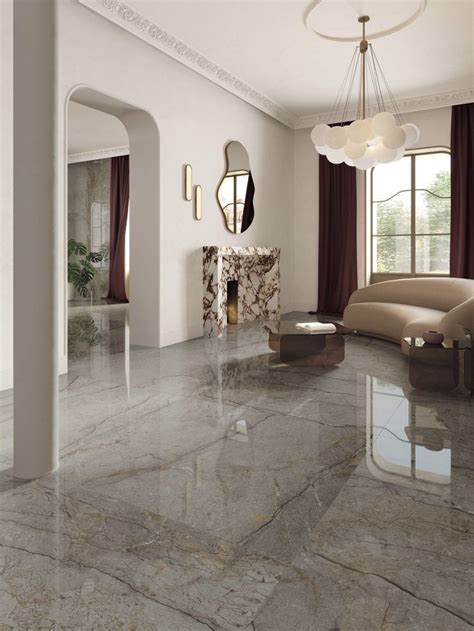
Gray is rarely a true pure neutral; it frequently carries subtle undertones of blue, green, beige, or violet that become much more apparent once installed across a large surface area. When evaluating tile samples in a showroom environment, it is always wise to take physical samples home and observe how they look under your specific domestic lighting conditions at various hours. North-facing rooms in U.S. homes generally receive cooler, bluish natural light, which makes warm gray or greige tiles look exceptionally inviting and balanced. Conversely, south-facing rooms flooded with bright, direct daylight can easily handle crisp, cool charcoal or slate tones without feeling cavernous or overly stark.
Matte finishes absorb light gracefully, reducing harsh glare in large, open-concept great rooms, while polished porcelain finishes reflect natural and artificial light to amplify brightness in compact powder rooms or narrow hallways. Balancing the chosen tile finish with the room’s primary light source ensures the space feels balanced and intentional throughout the entire day. Furthermore, considering how artificial overhead lighting or warm lamp glow interacts with the tile surface in the evening helps maintain a cozy, welcoming atmosphere long after the sun has set.
Choosing the correct grout color is another critical decision that directly influences the perceived pattern and expansiveness of your gray flooring. Matching the grout shade closely to the tile body creates a seamless, monolithic plane that visually expands compact or heavily furnished rooms. On the other hand, opting for a contrasting grout line emphasizes geometric layouts, such as herringbone patterns, classic square grids, or modern chevron designs, adding an extra layer of architectural detail to the space.
Welcoming Entryways and Mudrooms

The entryway or mudroom serves as the crucial transition zone between the outside world and your private sanctuary, demanding a flooring material that is simultaneously durable, moisture-resistant, and visually forgiving. Large-format porcelain tiles in medium gray conceal everyday dust, pet hair, and tracked-in moisture far better than stark white or glossy dark alternatives that highlight every single speck of debris. Opting for a textured or matte glaze also improves slip resistance when boots are wet, muddy, or snowy during harsh winter months, protecting household members and guests alike.
To warm up these high-traffic utility zones, pair medium gray floor tiles with natural wood bench seating, matte black hardware, and durable woven entry rugs that catch residual dirt. This thoughtful combination grounds the space, creating a welcoming threshold that sets a sophisticated and orderly tone for the rest of the house. Because entryways endure heavy daily wear and tear from shoes, strollers, and pets, investing in a high-rated porcelain tile guarantees structural longevity and minimizes the need for frequent repairs or deep refinishing.
Creating a Modern Culinary Hub in the Kitchen
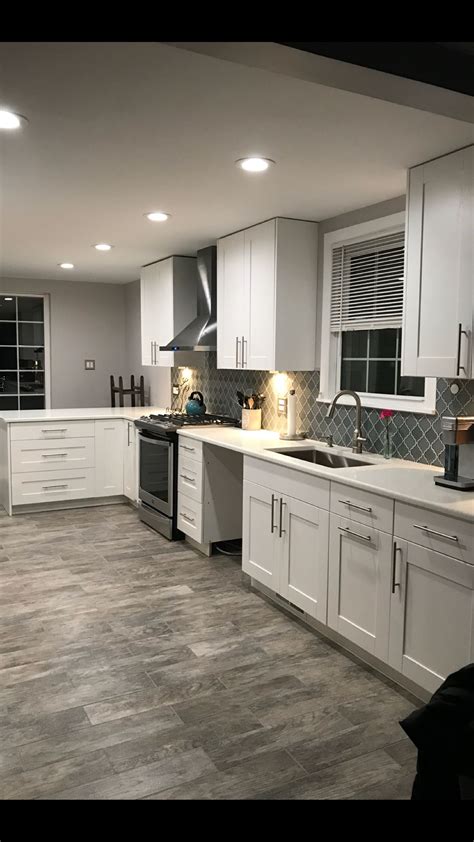
Kitchens benefit immensely from the timeless versatility of gray floor tiles, anchoring busy cooking and gathering spaces with effortless, understated style. Soft gray limestone-look porcelain tiles work brilliantly alongside crisp white shaker cabinets, natural oak islands, or dramatic dark charcoal lower cabinetry. This careful material pairing prevents the kitchen from feeling overly sterile or industrial while maintaining a clean, contemporary aesthetic that withstands heavy daily cooking activity and frequent spills.
For a seamless modern layout in open-concept floor plans, extending large gray floor tiles from the kitchen directly into the adjacent dining area unifies the entire floor plate. This visual continuity makes smaller homes feel significantly larger and more cohesive, eliminating choppy transitions between functional zones. When selecting kitchen tiles, prioritize options with high breaking strength and resistance to chemical staining, ensuring that dropped utensils or acidic food spills can be cleaned up quickly without leaving permanent marks.
Transforming Bathrooms into Spa-Like Retreats
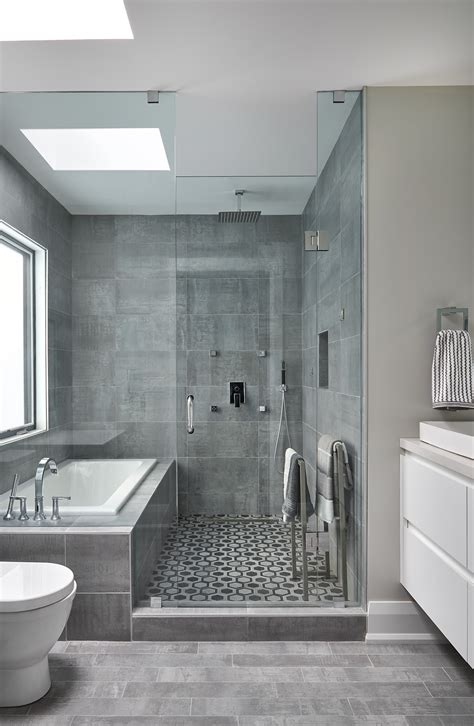
Bathrooms naturally invite calming, restful color palettes, making gray floor tiles an ideal selection for master ensuites, powder rooms, and guest baths alike. Layering different tile formats—such as large gray floor slabs paired with delicate mosaic pebble tiles inside the walk-in shower stall—adds rich visual depth without overwhelming a compact footprint. This textural contrast elevates a simple bathroom into a luxurious, hotel-inspired environment dedicated to relaxation and personal daily wellness routines.
Warm gray porcelain tiles featuring subtle, organic veining successfully mimic natural marble while offering superior water resistance and significantly lower maintenance requirements compared to genuine stone. Complement these tiles with brushed brass fixtures, plush white Turkish towels, and natural wood vanities to introduce organic warmth against the cool gray backdrop. Proper sealing of grout lines in wet areas remains essential to preserve the immaculate appearance of your bathroom flooring over years of daily steam and moisture exposure.
Frequently Asked Questions
What shades of gray floor tile work best in small spaces?
Light gray or greige tiles work best in small rooms, powder rooms, and narrow hallways because they reflect natural light and make the footprint feel larger and more open. Pairing light tiles with matching light grout enhances this expansive visual effect.
Are porcelain or ceramic tiles better for high-traffic areas?
Porcelain tiles are generally superior for high-traffic areas like kitchens and entryways because they are denser, less porous, and more resistant to chipping, scratching, and heavy moisture compared to standard ceramic tiles.
How do I prevent gray floors from making a room look cold?
To counteract a cold aesthetic, incorporate warm elements such as natural wood furniture, textured wool rugs, brass hardware, and warm lighting fixtures. Choosing a tile with warm greige or brownish undertones also helps maintain a cozy atmosphere.


