Choosing the right foundation for your home sets the tone for every piece of furniture, wall color, and decorative accent that follows. Among neutral options, gray tile flooring has earned a permanent place in modern American interior design due to its remarkable versatility. Unlike stark white or dark charcoal, a well-chosen gray floor acts as a sophisticated chameleon, adapting easily to changing seasonal decor and evolving personal aesthetics. Whether you are remodeling a coastal cottage or updating a suburban ranch home, understanding how to select and style gray tiles ensures a balanced, inviting space.
Choosing the Right Shade: Balancing Warmth and Modernity
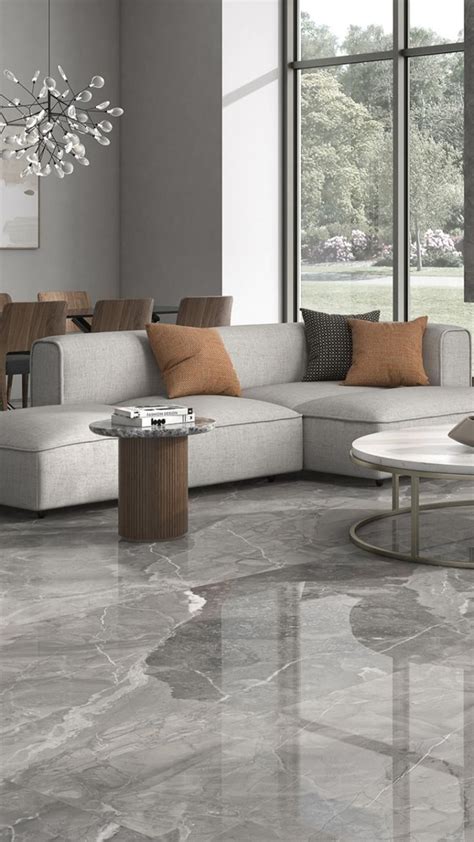
The secret to successful gray tile flooring lies in identifying the underlying undertones. Gray is rarely a pure neutral; it frequently leans toward warm beige undertones (often called greige) or cool blue and green accents. In regions with abundant natural sunlight, such as the American Southwest or Florida, cooler slate grays help balance intense thermal brightness and create a crisp, refreshing interior atmosphere.
Conversely, homes located in northern states benefit tremendously from warmer greige or taupe-infused gray porcelain tiles. These softer shades prevent rooms from feeling sterile during overcast winter months. When evaluating tile samples, always view them under your home’s actual lighting conditions rather than showroom spotlights. Natural daylight and warm interior bulbs will dramatically shift how the gray pigments register across a wide floor surface.
Surface Finishes and Textural Contrast
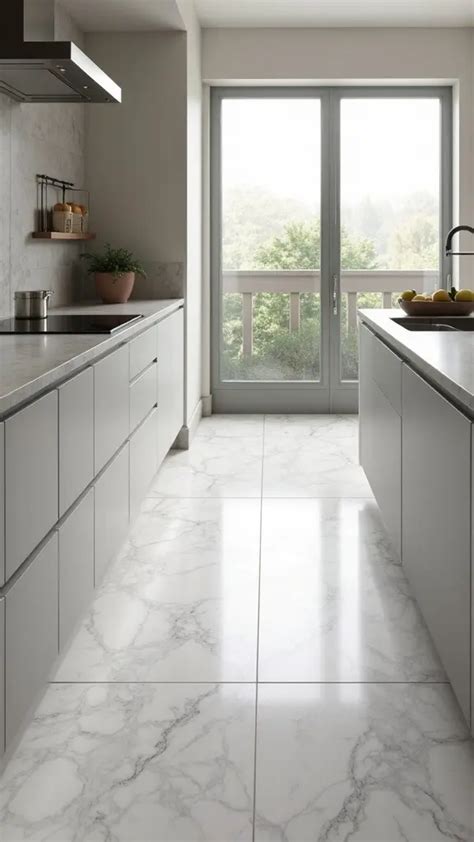
Texture plays a vital role in determining both the safety and aesthetic appeal of your floors. High-gloss polished gray tiles offer a luxurious, reflective surface that amplifies light in compact entryways or powder rooms, making these spaces feel expansive. However, high-gloss finishes can become slippery when wet and tend to highlight dust and footprint smudges much faster in high-traffic zones like family kitchens.
Matte and textured finish tiles provide a practical alternative for active households across the United States. A subtle stone-look texture or a honed finish introduces organic depth underfoot while offering superior slip resistance. Pairing matte gray floors with contrasting smooth elements, such as lacquered wooden cabinetry or brushed brass hardware, adds tactile richness that keeps neutral spaces visually engaging without feeling overly busy.
Strategic Room Applications and Format Selection
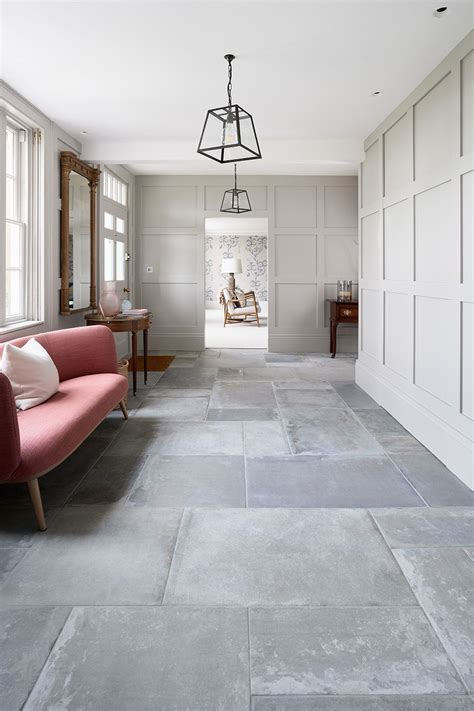
Scale and layout significantly influence how a room perceives space. Large-format gray tiles, measuring 24×24 inches or larger, minimize grout lines and create a seamless, uninterrupted expanse that makes open-concept living areas and suburban kitchens feel grander. This clean layout reduces visual clutter, allowing statement furniture pieces and architectural details to take center stage.
In smaller zones like bathrooms or laundry rooms, smaller format tiles or intricate geometric patterns introduce personality and charm. For instance, a soft gray herringbone tile pattern in a mudroom creates an immediate sense of tailored organization while expertly masking everyday dirt and tracked-in debris from outdoor adventures.
Color Palettes and Decor Pairings for American Homes
Integrating gray flooring into your home does not mean your interior must remain monochromatic. Gray serves as an exceptional anchor for rich, saturated color palettes as well as warm organic elements. Pairing cool gray tiles with earthy walnut wood furniture, woven jute rugs, and creamy off-white walls instantly warms up the room and introduces a welcoming, lived-in feel.
If you prefer a contemporary transitional style, combine medium gray floors with navy blue built-ins, matte black window frames, and crisp white trim. This layered approach bridges traditional architecture with modern sensibilities, ensuring your design choices remain stylish and relevant for years to come.
Frequently Asked Questions
How do I keep gray tile flooring from looking too cold?
You can easily warm up gray tiles by incorporating organic textures and warm color accents. Add layered wool or jute rugs, wooden furniture with honey or walnut tones, and warm brass or copper light fixtures. Soft textiles and warm lighting instantly neutralize any clinical appearance.
Are large-format gray tiles difficult to install?
Large-format tiles require a perfectly flat subfloor and specialized leveling systems to prevent lip-edge lippage during installation. While DIY installation is possible for experienced renovators, hiring a professional tile setter is often recommended to ensure a flawless finish with heavy porcelain slabs.
What wall colors match best with gray tile floors?
Soft off-whites, warm beiges, muted sage greens, and classic navy blues all pair beautifully with gray tile flooring. The ideal choice depends entirely on whether your specific gray tile has warm or cool undertones, so it helps to match paint swatches directly against installed tile samples.


