Grey has long maintained its status as a foundational neutral in residential interior design, offering a versatile backdrop that adapts to shifting trends without losing its inherent elegance. However, designing a successful grey space requires more than simply painting four walls a neutral shade. Without careful planning, a monochromatic palette can occasionally feel stark or uninviting. Achieving a truly enduring living room means looking at how undertones, textures, and lighting interact within your specific floor plan.
Whether you are renting a compact apartment or updating a spacious family home, curating a balanced environment involves blending matte finishes, tactile fabrics, and warm architectural elements. Below is a comprehensive exploration of 51 distinct design directions, categorized to help you navigate paint selections, furniture pairings, and accent layers for an effortlessly sophisticated home.
Foundational Paint and Wall Treatments
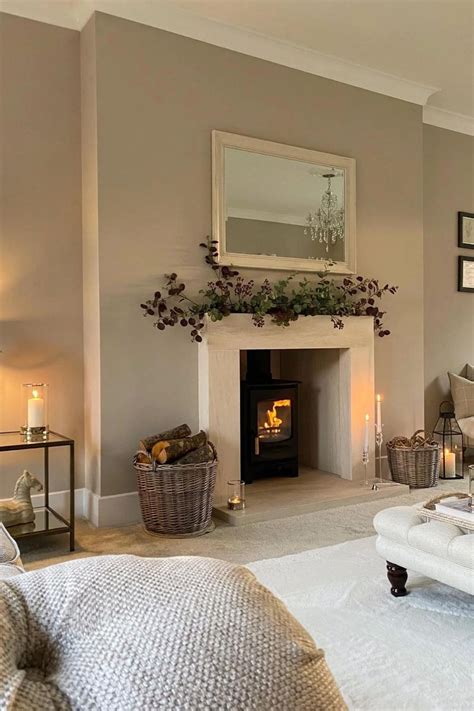
The foundation of any successful interior scheme begins with selecting the correct shade of grey. The primary challenge most homeowners and renters face is understanding the difference between cool and warm undertones. Cool greys feature subtle blue, green, or violet hints that create a crisp, modern aesthetic, while warm greys incorporate brown, taupe, or yellow bases that mimic natural stone and clay, fostering a cozier atmosphere.
When planning your wall treatments, consider how natural daylight enters your room throughout the day. North-facing rooms in American homes typically receive cooler, bluer light, making warm greys an ideal choice to counteract chilliness. Conversely, sun-drenched south-facing spaces can easily handle crisp, silvery tones or even dramatic charcoal without feeling gloomy.
- Idea 1: Soft Dove Grey Walls paired with crisp white trim for a traditional, airy aesthetic.
- Idea 2: Greige (Grey-Beige) Slats that bridge the gap between warm wood tones and modern neutrals.
- Idea 3: Matte Charcoal Accent Wall behind a media console to anchor a sprawling living area.
- Idea 4: Limewash Grey Finish that adds subtle movement and historic depth to plain drywall.
- Idea 5: Vertical Grey Board and Batten framing architectural interest in suburban family rooms.
- Idea 6: Weathered Grey Wood Paneling bringing organic texture and rustic charm to urban spaces.
- Idea 7: Pale Silver Wallpaper with a faint metallic grasscloth texture to catch ambient evening light.
- Idea 8: Two-Tone Walls featuring charcoal wainscoting and pale fog grey upper walls.
- Idea 9: Concrete-Effect Plaster offering an industrial yet refined backdrop for minimalist layouts.
- Idea 10: Smoky Slate Venetian Plaster delivering a high-end, reflective surface for sophisticated city apartments.
Layering Textures and Soft Furnishings
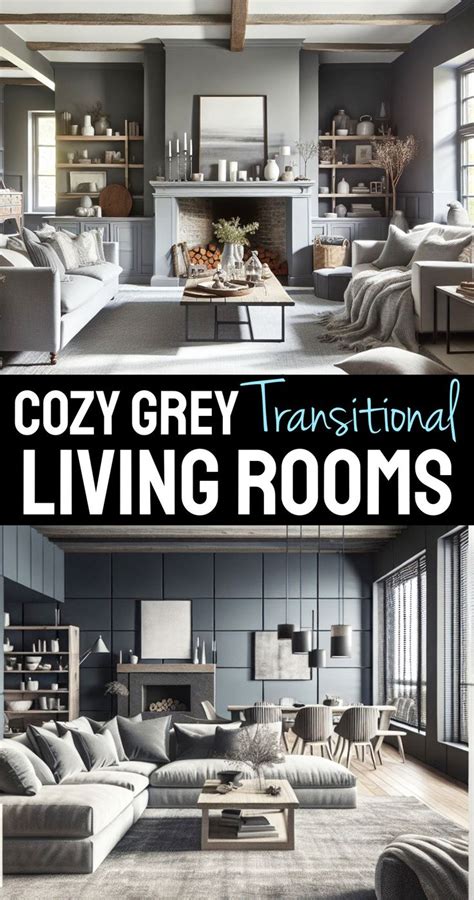
Because grey is an inherently calm neutral, relying solely on smooth painted surfaces can leave a room feeling flat. The secret to a cozy, inviting living space lies in intentional texture layering. By mixing tactile elements—such as heavy wool knits, boucle, raw linen, and distressed leather—you create visual warmth that makes a monochromatic color scheme feel rich and multidimensional.
Soft furnishings represent the most flexible way to introduce these tactile qualities, allowing you to experiment with fabrics without making permanent structural commitments. Renters can easily adopt this strategy by swapping out standard cushion covers, draping chunky knit throws over seating, and anchoring conversation areas with plush, high-pile wool rugs.
- Idea 11: Boucle Accent Chairs in off-white contrasting against a mid-grey sectional sofa.
- Idea 12: Chinchilla Faux-Fur Throws draped casually over a structured leather armchair.
- Idea 13: Chunky Hand-Knitted Wool Rugs in varied grey and cream marl patterns.
- Idea 14: Heavy Linen Drapery in a soft slate hue that pools slightly on hardwood floors.
- Idea 15: Velvet Cushion Covers in deep charcoal and pewter for a touch of everyday luxury.
- Idea 16: Tufted Ottoman upholstered in a durable tweed-like grey fabric.
- Idea 17: Shearling Bean Bag Chair offering a playful, ultra-soft texture for casual family lounging.
- Idea 18: Corduroy Throw Pillows introducing tactile ribbed detail to plain grey sofas.
- Idea 19: Felted Wool Storage Baskets combining practical organization with organic softness.
- Idea 20: Silk-Blend Window Scarves adding a subtle sheen to filter harsh afternoon sunlight.
Furniture and Material Pairings
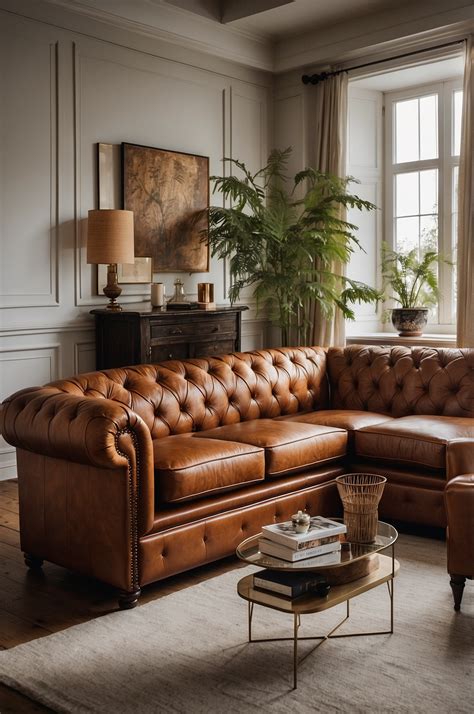
Pairing grey with the right furniture materials prevents a living room from looking like a sterile corporate showroom. Natural wood tones—ranging from warm honey oak and rich walnut to reclaimed pine—introduce organic contrast that immediately grounds cool grey walls. Similarly, introducing leather elements in cognac or chestnut brown injects instant warmth and timeless appeal.
Metal finishes also play a vital role in defining the overall style of your grey interior. While polished chrome and stainless steel lean heavily into contemporary and industrial aesthetics, brushed brass, antique bronze, and matte black hardware infuse warmth and a curated, designer touch into the space.
- Idea 21: Cognac Leather Sofa paired with soft grey walls for a classic mid-century contrast.
- Idea 22: Reclaimed Oak Coffee Table introducing organic grain to an urban grey apartment.
- Idea 23: Brushed Brass Floor Lamps casting a warm, inviting glow over a charcoal sectional.
- Idea 24: Walnut Media Console adding rich, mid-tone warmth beneath a television mount.
- Idea 25: Black Iron Frame Shelving offering industrial structure against light grey plaster walls.
- Idea 26: Marble-Topped Side Tables with grey veining to tie hard surfaces back to the color scheme.
- Idea 27: Rattan and Cane Accent Chairs bringing organic bohemian texture into a grey room.
- Idea 28: Glass-Top Coffee Table with a dark bronze base to maintain visual openness in smaller spaces.
- Idea 29: Bleached Pine Bookshelves keeping the overarching palette light, breezy, and coastal-inspired.
- Idea 30: Matte Black Metal Sconces highlighting artwork while grounding pale grey wall spaces.
Accent Colors and Strategic Pops
While an entirely monochromatic grey living room can be stunning, many homeowners prefer to introduce intentional accent colors to inject personality and life into the space. Grey acts as a supreme chameleon, effortlessly harmonizing with both muted earth tones and vibrant jewel shades depending on the desired mood.
For a serene, nature-inspired sanctuary, pair soft greys with sage green, muted eucalyptus, or warm terracotta. If you prefer a bolder, more dramatic ambiance, accents of mustard yellow, rich navy, or terracotta orange create striking visual focal points without overwhelming the balanced neutrality of the room.
- Idea 31: Muted Sage Green Planters and botanical prints softening a modern grey corner.
- Idea 32: Terracotta Throw Pillows adding earthy warmth to a slate-colored sofa arrangement.
- Idea 33: Mustard Yellow Accent Chair providing an energetic pop against dark charcoal walls.
- Idea 34: Dusty Rose Velvet Ottomans bringing subtle romantic warmth to pale grey spaces.
- Idea 35: Deep Navy Blue Curtains establishing a moody, sophisticated contrast with light fog walls.
- Idea 36: Olive Green Area Rug grounding a contemporary apartment seating arrangement.
- Idea 37: Ochre Ceramic Vases styled tastefully on open floating shelving units.
- Idea 38: Rust-Colored Leather Poufs offering extra seating with an inviting organic hue.
- Idea 39: Emerald Green Velvet Armchair creating a jewel-toned focal point in a formal living room.
- Idea 40: Warm Amber Glassware catching the light on a grey oak coffee table display.
Lighting Strategies and Final Styling Details
Lighting is often the deciding factor in whether a grey living room feels cozy or cavernous. Because grey absorbs rather than reflects light, relying on a single overhead ceiling fixture rarely suffices. Instead, interior designers advocate for a layered lighting plan that combines ambient, task, and accent lighting at varying heights throughout the room.
Incorporate table lamps with warm-bulb settings, wall sconces to highlight architectural details, and floor lamps with adjustable arms. Finally, complete your space with personal styling touches—such as black-and-white photography in slim wooden frames, lush indoor plants in ceramic pots, and curated book collections—to transform your house into an authentic, lived-in home.
- Idea 41: Warm LED Strip Lighting concealed behind crown molding to create a soft halo effect.
- Idea 42: Articulating Wall Sconces positioned above reading chairs for functional task illumination.
- Idea 43: Oversized Arched Floor Lamp sweeping gracefully over a low-profile grey sectional.
- Idea 44: Frosted Glass Table Lamps diffusing soft, glare-free light across side tables.
- Idea 45: Large-Scale Monochrome Photography framed in simple natural oak.
- Idea 46: Tall Fiddle-Leaf Fig Trees in matte grey planters bringing vibrant life indoors.
- Idea 47: Curated Coffee Table Books stacked neatly with neutral cloth spines.
- Idea 48: Ceramic Sculptural Objects adding organic shapes to minimalist console tables.
- Idea 49: Woven Seagrass Baskets storing extra throws beneath open side tables.
- Idea 50: Antique Brass Tray organizing candles and everyday essentials on the coffee table.
- Idea 51: Framed Botanical Sketches celebrating earthy green tones against soft dove walls.
Frequently Asked Questions
How do I keep a grey living room from feeling cold and sterile?
To prevent a grey living room from feeling cold, focus heavily on texture and warm material pairings. Incorporate natural wood tones, leather furniture in cognac or brown, woven jute rugs, and chunky knit textiles. Additionally, choosing warm-toned greys with beige or brown undertones rather than cool blue-greys will instantly create a cozier atmosphere.
What accent colors pair best with grey walls?
Grey is an exceptionally versatile neutral that pairs well with a wide range of colors. Earthy tones like sage green, terracotta, and warm ochre create an inviting, grounded feel. If you prefer a bolder look, rich jewel tones such as navy blue, emerald green, or mustard yellow provide striking contrast against neutral grey backdrops.
How can I light a grey living room effectively?
Because grey paint absorbs light rather than reflecting it intensely, a layered lighting strategy is essential. Avoid relying solely on overhead lights. Instead, combine floor lamps, table lamps, and wall sconces at different heights throughout the room, and use warm-temperature LED bulbs to enhance the cozy ambiance during evening hours.


