Modern family camping has evolved far beyond cramped sleeping bags and low ceilings. Today, outdoor enthusiasts and families seeking a connection with nature expect the same comforts of home, including dedicated sleeping zones, privacy dividers, and enough standing headroom to change clothes comfortably. For those planning extended road trips or seasonal getaways across the diverse landscapes of the United States, investing in a high-capacity shelter makes all the difference.
A premier multi-room shelter transforms a basic campsite into an organized living space. Whether you are navigating humid Southern state parks or breezy coastal campgrounds, choosing the right configuration ensures that privacy and relaxation remain uncompromised. Below, we examine the leading options available on the market, balancing floor plans, weather resistance, and practical usability.
Understanding the Appeal of Multi-Room Tents
Spacious multi-room models provide a distinct architectural layout that separates private sleeping quarters from central communal areas. Unlike traditional single-space domes, these configurations use interior partition curtains or zippered walls to create distinct zones. This layout is especially beneficial for large families, groups of friends, or anyone who values personal space during longer camping excursions.
When evaluating these larger structures, look closely at how the floor plan accommodates your specific gear. Manufacturers often list maximum occupant capacities based on sleeping side-by-side on thin sleeping pads. However, real-world comfort usually requires sizing up if you plan to use bulky queen-sized air mattresses, folding cots, or camping storage towers. Prioritizing vertical wall design also helps maximize usable interior square footage.
Top 8 Roomy 3-Room Tents for 2025
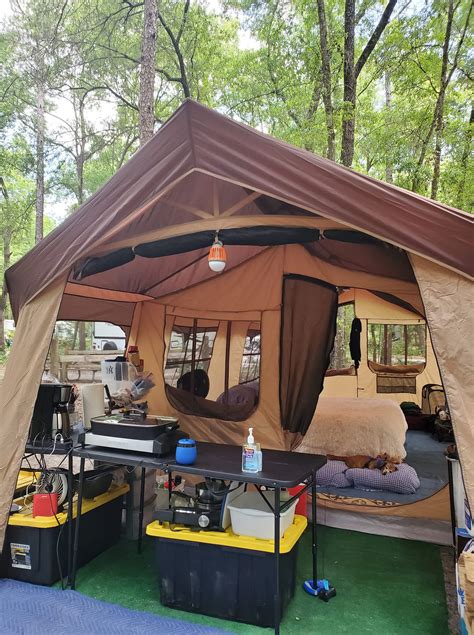
Curating a selection of top-tier models requires looking past marketing claims to evaluate frame durability, fabric denier ratings, and real-world ventilation. The following eight models stand out for their clever layouts and dependable construction, catering to various camping styles found throughout the country.
1. Coleman WeatherMaster 10-Person Tent with Screen Room
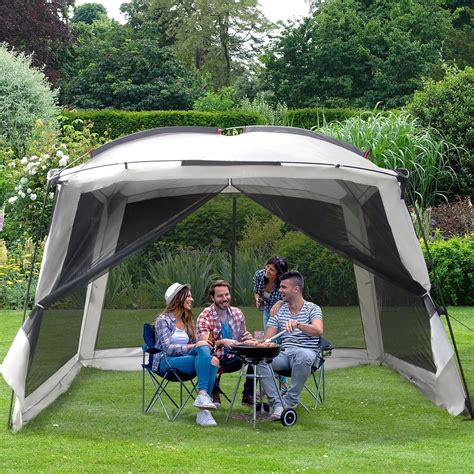
This classic cabin-style design features a hinged front door and a screened porch area that doubles as a bug-free third room. The steeply sloped walls allow for ample standing room, while the WeatherTec system utilizes welded corners and inverted seams to keep moisture outside. It accommodates up to three queen air beds easily, making it a reliable choice for family weekends.
2. Ozark Trail 12-Person 3-Room Cabin Tent
Built for maximum footprint efficiency, this layout uses two removable dividers to carve the interior into three distinct private rooms with three separate entry doors. Its straight-wall design lets campers move around freely without crouching. While the setup requires two adults due to its generous size, the payoff is an exceptionally roomy communal hub.
3. Core 12-Person Instant Cabin Tent
For campers who value speed, this instant-frame design features pre-attached poles that allow the entire structure to go up in under two minutes. Advanced venting draws cool air in from the ground while letting hot air escape through the mesh ceiling. Two included divider curtains create a flexible three-room layout suited for changing weather conditions.
4. NTK Arizona GT 9 to 10 Person Tent
Renowned for its heavy-duty rainfly and robust pin-and-ring assembly, the NTK Arizona GT excels in wetter climates. It offers a large central living area flanked by two separate sleeping rooms. The micro-mesh fabric provides excellent insect protection without sacrificing airflow, making it a favorite for humid environments.
5. Eureka! Copper Canyon LX 8-Person Tent
Standing tall with near-vertical walls, this cabin tent provides exceptional headroom and stability in moderate winds. The clever configuration allows users to partition the interior into multiple spaces for sleeping and gear storage. Large panoramic windows ensure great ventilation and views of your scenic surroundings.
6. Browning Camping Big Horn Tent
Featuring extra-large zippers and a sturdy fiberglass pole frame with steel uprights, the Big Horn emphasizes durability. The straight-wall architecture maximizes interior volume, and the factory-sealed fly provides reliable rain protection. The interior wall divider lets you switch between a two-room or three-room configuration effortlessly.
7. Kampa Hayling 4 Air Tent (Inflatable Frame)
While technically inflatable rather than pole-supported, this innovative air-beam tent creates a structured three-room layout featuring a front vestibule, central living space, and rear sleeping compartment. Heavy-duty inflatable tubes replace traditional metal poles, reducing setup frustration and offering surprising rigidity against coastal breezes.
8. Wenzel Grand Cabin 9-Person Tent
A budget-friendly option that does not skimp on space, the Wenzel Grand Cabin utilizes shock-corded fiberglass poles and pin rings for straightforward assembly. Removable curtains let you customize the floor plan into three separate rooms, complete with mud mats at the entrance to keep dirt outside.
Key Factors to Consider Before Buying
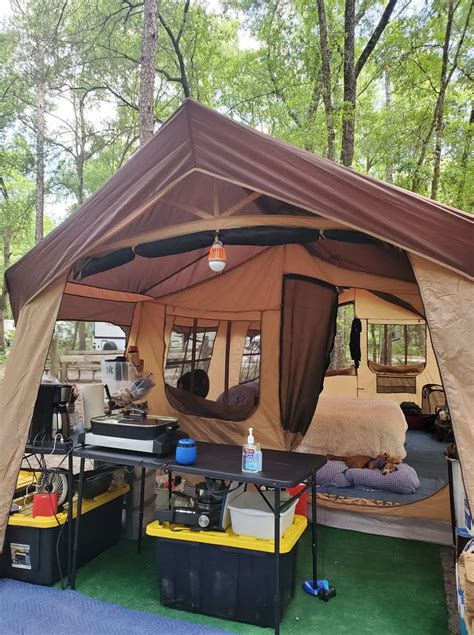
Selecting the right shelter involves balancing center height, packed weight, and seasonal weather suitability. If you frequently camp in open, windy areas like coastal beaches or high-altitude plains, prioritize steel-framed cabin tents or sturdy geodesic designs over lightweight alternatives. Conversely, if you move campsites frequently, an instant-up mechanism saves valuable time and energy.
Weatherproofing is another critical decision point. Look for tents featuring taped fly seams, waterproof floor coatings with bathtub construction, and reliable guy-out points. Proper ventilation prevents condensation buildup on chilly mornings, ensuring your interior remains fresh and dry throughout your stay.
Tips for Maximizing Comfort and Organization
Living harmoniously in a multi-room tent requires smart gear management. Assign each room a specific function, such as designating one side exclusively for sleeping and the center zone for social gear and footwear. Utilize hanging organizers, gear lofts, and portable shelving units to keep personal items off the floor.
Finally, always pack a sturdy outdoor doormat or tarp to place outside your main entrance. Capturing mud, sand, and grass before it enters your tent keeps all three rooms clean and comfortable for the duration of your trip.
Frequently Asked Questions
What are the best 3-room tents available in 2025?
The best options for 2025 combine durable weatherproofing, easy setup mechanisms, and versatile floor plans. Standout models include the Coleman WeatherMaster, Core Instant Cabin, and Ozark Trail 12-Person configurations, which balance privacy dividers with ample standing headroom.
Are multi-room tents easy to set up for families?
While their large footprints require two adults for traditional pole-and-sleeve models, many modern multi-room tents utilize instant hubs or color-coded pole systems to streamline the process. Taking time to practice assembly in your backyard before a major trip is always recommended.
How do 3-room tents handle heavy rain and wind?
Performance varies based on frame materials and rainfly coverage. Cabin tents with straight walls catch more wind, making proper guy-line staking essential. Models featuring full-coverage rainflies and welded waterproof floor seams handle heavy downpours much more effectively.
What is the difference between sewn-in room dividers and hanging curtains?
Sewn-in dividers offer permanent, sturdy separation between rooms with solid zippered doors, providing maximum privacy and sound dampening. Hanging curtains use toggles or clips, allowing you to easily roll them back to create a massive open-concept living space when privacy is not required.
How much space do you actually need per person in a multi-room tent?
Manufacturer capacity ratings assume sleeping side-by-side with minimal gear. For true comfort, especially when incorporating queen-sized air mattresses or camping cots, subtract two to three people from the maximum stated capacity to ensure adequate floor space and gear storage.


