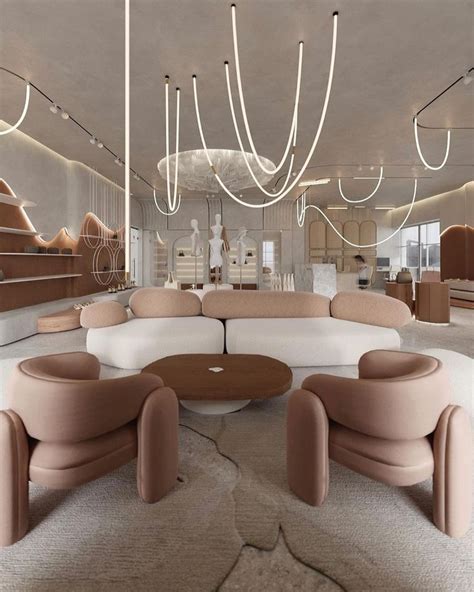
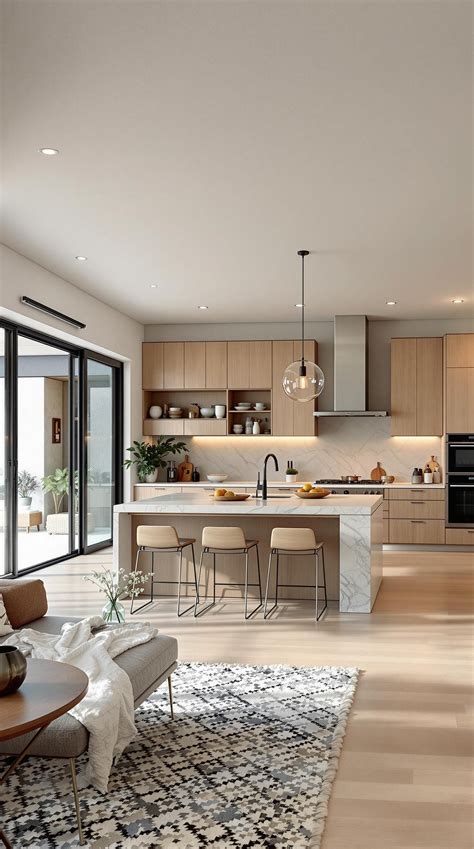
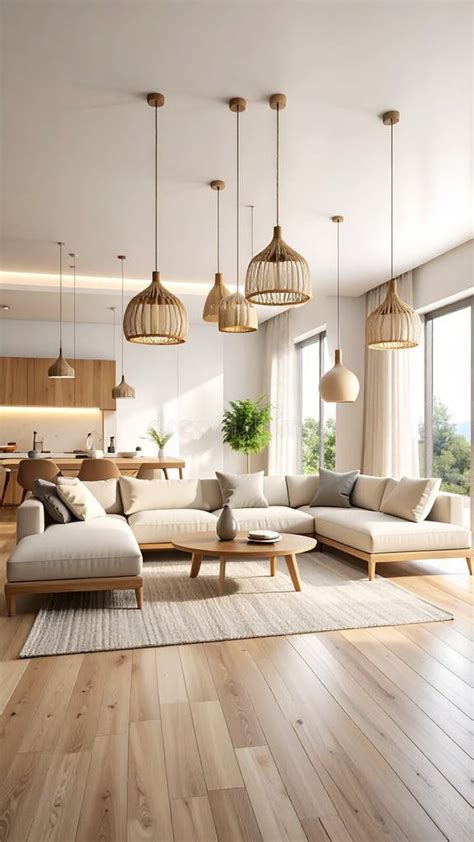
When planning a comprehensive home interior update, selecting the right foundation materials sets the tone for every subsequent design choice you make. Grey tiles have firmly established themselves as a premier choice for modern American homes, offering a sophisticated neutral backdrop that gracefully bridges contemporary minimalism and classic elegance. Unlike stark white surfaces that can feel sterile or heavy black tones that absorb light, a well-chosen grey tile introduces subtle depth, gentle light reflection, and visual warmth without ever overwhelming the room’s overarching color palette. Homeowners and renovators alike appreciate how easily this versatile neutral adapts to shifting design trends, varied furniture styles, and seasonal decor changes over the years.
Navigating the vast array of options available through digital storefronts makes it easier than ever to explore high-end surfaces from renowned suppliers like Beaumont right from your living room or design studio. Sourcing tiles online allows you to methodically compare shades, finishes, and textures against your existing lighting conditions and spatial constraints without the pressure of a physical showroom. By understanding the core design principles behind grey tile installation, texture pairing, and scale, you can transform ordinary floors and walls into striking architectural features that elevate your entire living environment and add long-term value to your property.
The Aesthetic Versatility of Grey Tiles in Modern Interiors
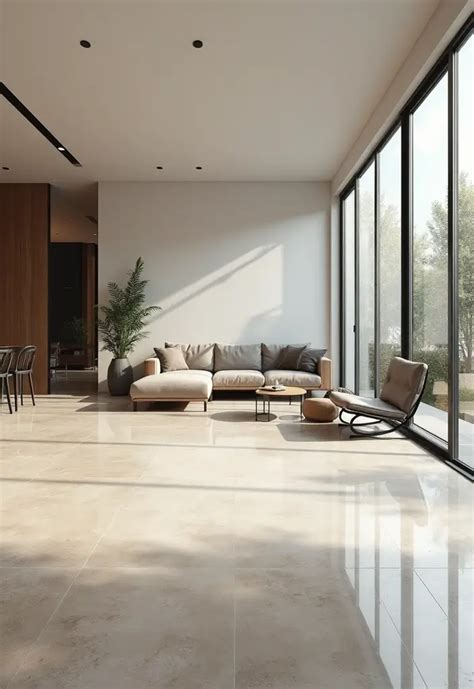
Grey is frequently celebrated by interior designers as the ultimate chameleon in home decoration because it sits comfortably between warm and cool spectrums. This unique balance allows it to harmonize effortlessly with rich wood tones, sleek metallic accents, and vibrant upholstery fabrics. Lighter charcoal and dove grey hues help expand smaller spaces by reflecting ambient natural light, while deeper slate tones anchor expansive open-concept living areas with a grounding sense of drama and refined luxury.
The physical finish of the tile plays a critical role in defining the overall mood and atmosphere of the space. Polished surfaces offer a sleek, reflective quality that enhances formal living rooms, contemporary kitchens, or modern entryways by bouncing light around. Conversely, matte or textured finishes provide a tactile, organic feel that is ideal for casual family spaces, high-traffic corridors, or spa-inspired zones. Integrating these diverse textures prevents a neutral room from feeling flat, adding subtle layers of visual interest that reward close inspection and create a truly curated home.
Selecting the Ideal Shade and Finish for Every Room
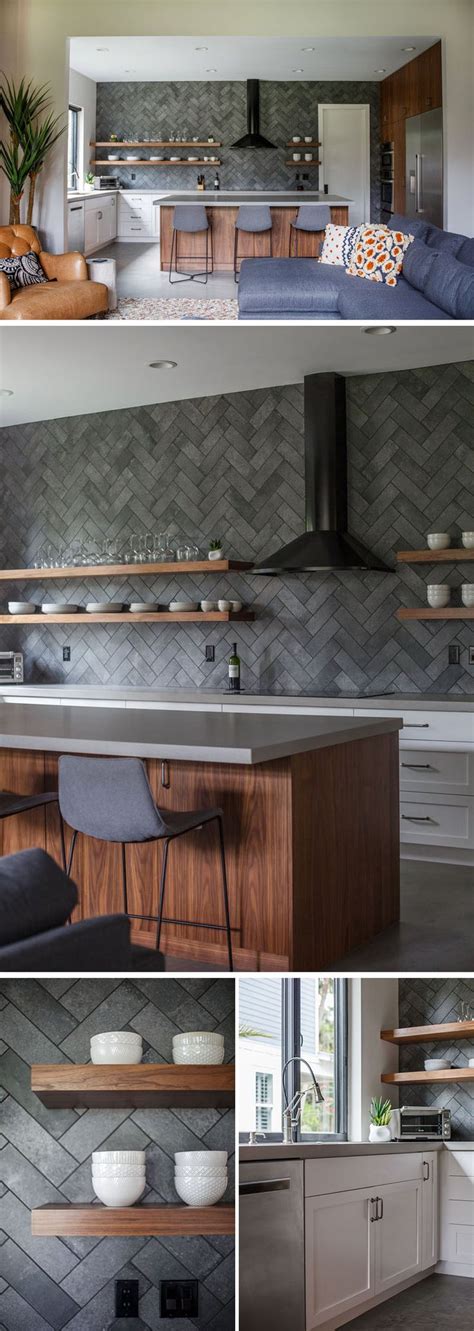
Choosing the right tile requires careful evaluation of how a room is used functionally and how natural light enters the space throughout the changing daylight hours. In high-moisture environments like bathrooms and kitchens, porcelain and ceramic grey tiles offer exceptional durability alongside reliable moisture resistance. A soft, pebble-grey matte tile can create a serene, spa-like atmosphere in a primary bathroom retreat, while a patterned encaustic-style grey tile adds dynamic character to a kitchen backsplash or a cozy laundry nook.
For expansive living areas and open-plan Great Rooms, large-format grey tiles minimize the visual interruption of grout lines, creating a seamless, continuous surface that makes rooms feel expansive, clean, and uncluttered. When evaluating samples online, always order physical swatches if available to observe how the tile’s undertones react to your specific interior lighting. Artificial warm light bulbs can easily pull warm beige or taupe undertones out of a supposedly cool grey, making physical sample testing in situ a crucial step before finalizing any major online purchase.
The Convenience of Digital Tile Shopping in the U.S.
The traditional method of visiting multiple brick-and-mortar showrooms across town can be physically exhausting and inefficient. Fortunately, sourcing quality materials through dedicated online platforms streamlines the entire home improvement journey for U.S. homeowners. Digital catalogs provide comprehensive product specifications, high-resolution imagery, and straightforward calculators to help you determine exact square footage requirements, which helps minimize expensive ordering mistakes and unexpected material shortages.
Suppliers like Beaumont offer well-curated online inventories that make browsing specific tile sizes, shades, and materials remarkably straightforward. Once you select your preferred tiles, reliable freight shipping and clear delivery protocols ensure your materials arrive safely at your U.S. residence, ready for professional installation or an ambitious DIY weekend project. By combining the ease of digital exploration with thoughtful spatial planning, updating your home’s flooring and wall surfaces becomes a smooth and rewarding endeavor.
Frequently Asked Questions
What makes grey tiles a popular choice for modern home decor?
Grey tiles offer exceptional aesthetic versatility, serving as a neutral backdrop that complements both warm and cool color palettes. Their ability to adapt to various design styles—from industrial modern to transitional traditional—makes them a timeless choice for floors and walls.
How can I choose the right shade and finish of grey tile for my space?
Consider the room’s size and natural lighting. Lighter grey shades with polished finishes brighten small rooms, while darker slate tones add drama to large spaces. Always test physical samples in your room’s actual lighting before placing a full order.
Can I easily purchase Beaumont grey tiles online in the U.S.?
Yes, online platforms make it simple to browse, calculate quantities, and order premium tile collections directly from Beaumont with convenient delivery options across the United States.
What rooms benefit the most from grey tile installations?
Kitchens, bathrooms, and entryways benefit greatly due to the durability and moisture resistance of materials like porcelain. Additionally, large-format grey tiles work wonderfully in modern living rooms and open-concept floor plans.