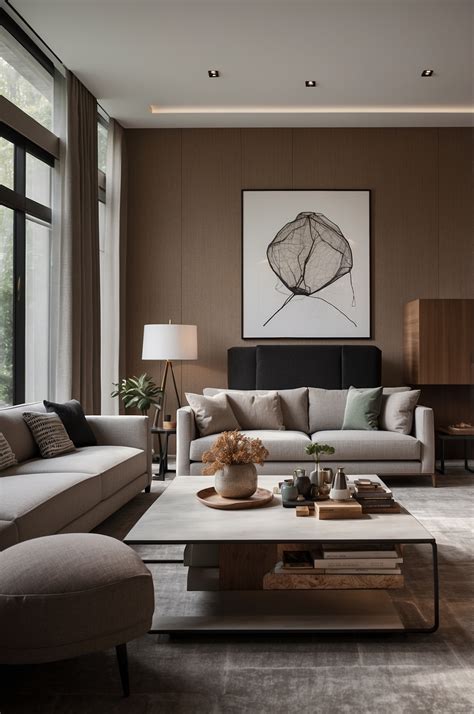
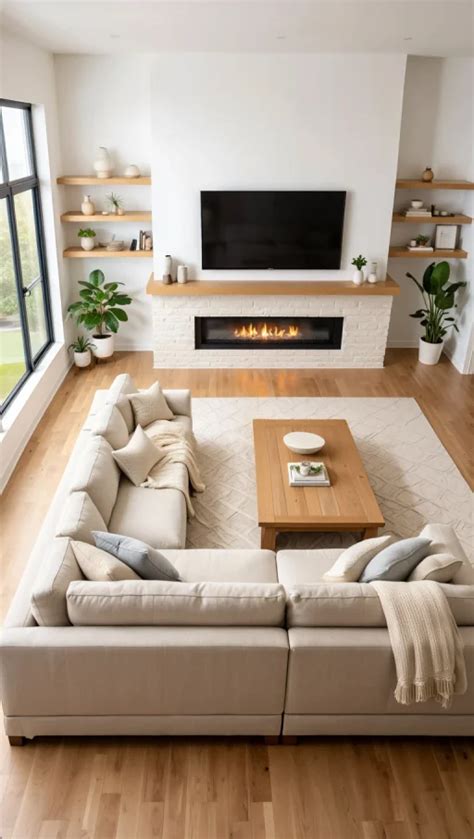
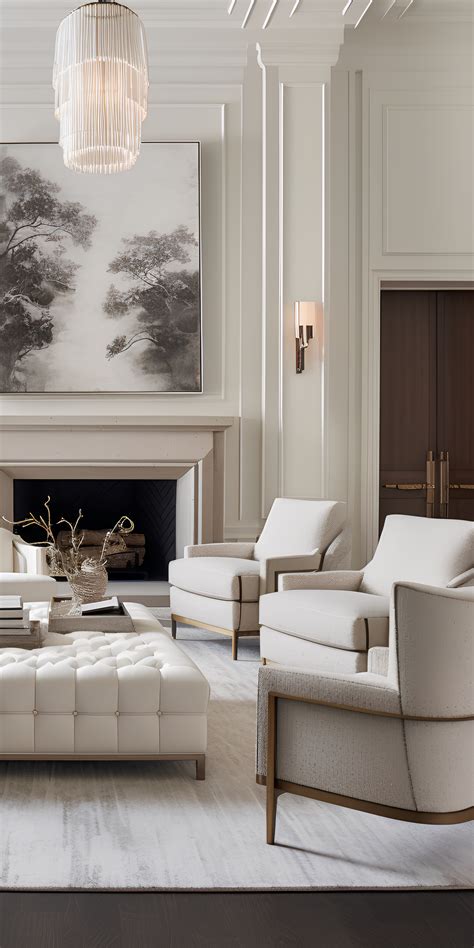
Revamping a living room is one of the most rewarding home improvement projects you can undertake, whether you are trying to maximize a suburban house or refresh a downtown apartment. Across the United States, housing styles vary dramatically from historic brownstones and mid-century ranches to modern open-concept suburban builds and compact urban rentals. Because living spaces serve multiple purposes—acting as a place to unwind, entertain guests, or work from home—getting the design right requires a balanced approach to layout, lighting, and finishes.
The biggest challenge for most residents is figuring out where to start without overspending or violating lease agreements. Fortunately, a successful transformation does not require a complete gut renovation or an unlimited budget. By focusing on high-impact adjustments and tailoring your approach to your specific housing situation, you can dramatically elevate the comfort, style, and functionality of your main gathering space.
Assessing Your Space and Establishing a Layout Strategy
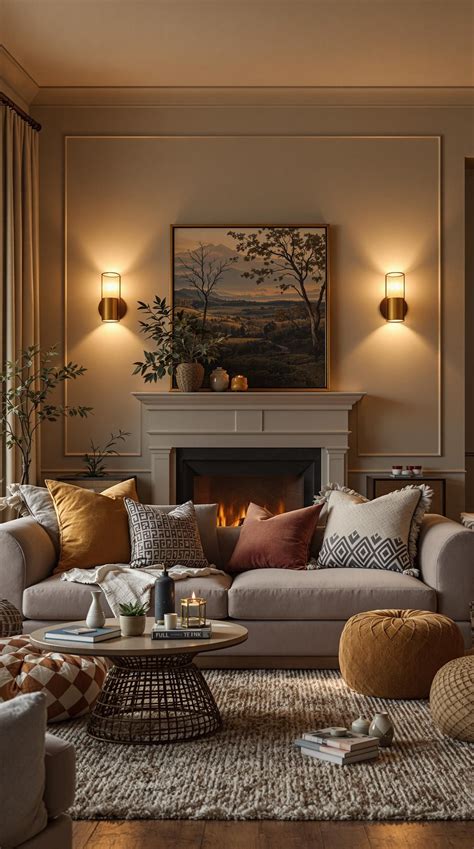
Before purchasing new furniture or opening a can of paint, take a realistic inventory of your living room’s dimensions, architectural quirks, and traffic patterns. American living rooms often feature challenging architectural traits, such as off-center fireplaces, excessive doorways, or awkward television cable placements. Walking through the room with a measuring tape helps prevent costly mistakes, such as buying a sectional that blocks a heating vent or purchasing an undersized area rug that makes the entire room feel disjointed.
When planning your layout, always establish a clear focal point. In many U.S. homes, this is naturally a fireplace, a large picture window, or a designated media wall. Arrange your primary seating to face this focal point while maintaining comfortable pathways for foot traffic. A common pitfall in American living room design is pushing all furniture completely against the perimeter walls, which often creates an uninviting, cavernous center. Pulling sofas and armchairs inward by just a few inches creates an intimate conversation area and instantly makes the room feel more curated and professionally styled.
Renter-Friendly Updates: Maximum Impact, Zero Permanent Alterations
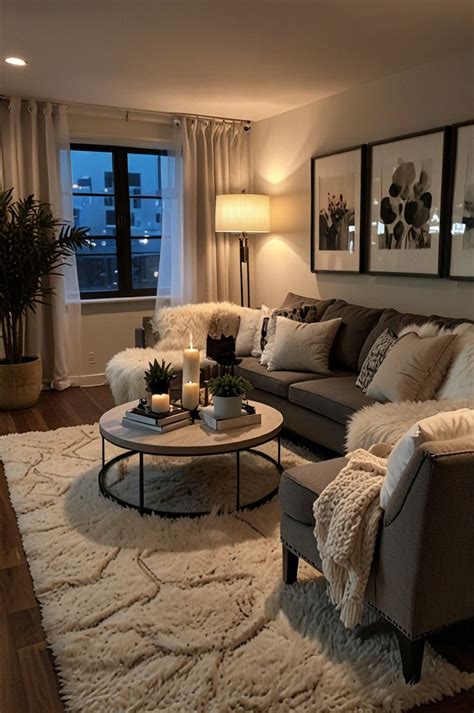
Leasing an apartment or rental home in the United States often comes with strict rules regarding nail holes, wall colors, and permanent fixtures. However, renting should never mean living in a bland, uninspiring environment. Today’s market offers an abundance of high-quality temporary products that allow you to customize your space entirely without sacrificing your security deposit when it is time to move out.
Lighting is perhaps the fastest way for renters to upgrade their living room ambiance without touching hardwired electrical boxes. Swap out builder-grade dome lights for plug-in statement pendants, or layer your illumination using floor lamps, table lamps, and warm-toned LED smart bulbs. To address plain white walls, look to damage-free hanging strips for gallery walls, or utilize renter-safe peel-and-stick wallpaper on a single accent wall to introduce pattern and texture. Area rugs are another powerful rental tool, instantly concealing dated carpeting or cold vinyl flooring while anchoring your furniture layout with color and softness.
Homeowner Upgrades: Long-Term Investments for Style and Value
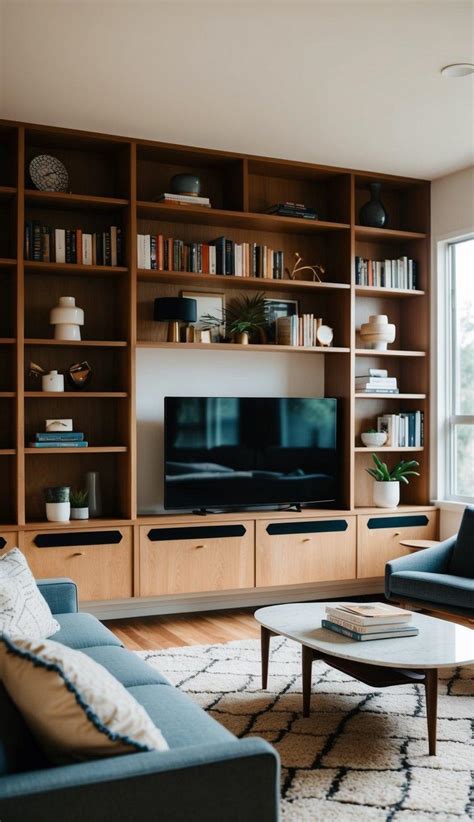
For American homeowners, living room updates present an opportunity to make permanent structural and aesthetic choices that enhance daily living and contribute to long-term property equity. Investing in custom built-ins around a fireplace or along an empty wall provides invaluable storage and architectural character that flat-pack furniture simply cannot replicate. Updating flooring to wide-plank hardwood or high-durability luxury vinyl tile can completely modernize a dated layout from the ground up.
Paint is another high-return homeowner project that commands serious attention. Moving away from stark builder beige or cool grays toward moody earth tones, warm terracottas, or sophisticated off-whites can redefine the entire atmosphere of the room. When executing permanent upgrades, always factor in realistic timelines and potential supply chain delays for custom materials. Furthermore, never overlook safety; always anchor heavy bookshelves, media consoles, and large televisions securely to wall studs to protect family members and guests.
Layering Textures and Budget-Friendly Styling Tips
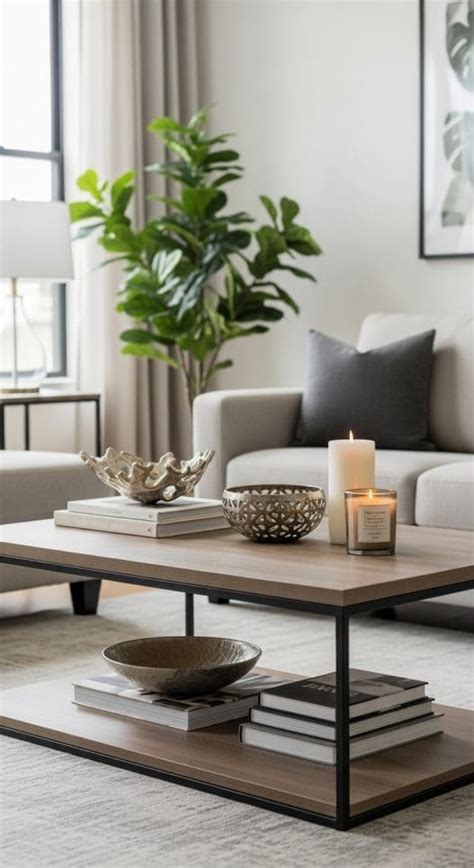
Regardless of whether you own or rent, the secret to a high-end, professionally designed living room lies in the thoughtful layering of textures and materials. A room filled exclusively with smooth leather and sleek metal can quickly feel cold, while an excess of heavy fabrics can look dated. Balance your space by combining natural wood elements, woven jute or wool rugs, linen or velvet throw pillows, and ceramic accessories. This tactile diversity adds depth and makes the room feel lived-in and welcoming.
Styling your coffee tables, bookshelves, and mantelpieces does not require purchasing expensive decor from luxury boutiques. Mix thrifted vintage finds with contemporary elements, incorporate house plants to introduce organic green color, and style books by stacking them both vertically and horizontally with decorative objects on top. By editing your accessories and focusing on quality over quantity, you create a harmonious environment that reflects your personal taste while remaining entirely functional for everyday American life.
Frequently Asked Questions
How can I transform my living room without breaking my lease?
You can upgrade a rental living room using non-permanent solutions like peel-and-stick wallpaper, plug-in wall sconces, heavy-duty damage-free hanging strips for art, and large area rugs to cover unappealing floors. These methods allow for total personalization while ensuring you get your security deposit back.
What are the best high-impact changes homeowners can make in a living room?
Homeowners can significantly boost both aesthetics and home value by installing custom built-in shelving, upgrading to wide-plank hardwood or luxury flooring, applying a sophisticated new paint color palette, and replacing standard light fixtures with architectural chandeliers or recessed lighting.
How do I choose the right rug size for my living room?
A common mistake is choosing an area rug that is too small. In most American living rooms, your rug should be large enough that at least the front legs of all major seating pieces—such as the sofa and armchairs—sit comfortably on top of it, which unifies the furniture group.
What are budget-friendly ways to update living room lighting?
To improve lighting on a budget, incorporate multiple light sources at different heights, such as floor lamps, table lamps, and plug-in picture lights. Upgrading standard incandescent bulbs to warm LED smart bulbs also instantly softens the atmosphere and lowers energy costs.