Decorating a compact living room in a typical American home or apartment presents a unique set of design challenges. When square footage is limited, striking the right balance between personal style, everyday functionality, and a warm, inviting atmosphere requires thoughtful planning. Instead of viewing tight quarters as a limitation, many homeowners and renters embrace compact footprints as an opportunity to create intimate, highly personalized retreats that feel intentional rather than crowded.
Creating a truly cozy environment involves more than simply buying smaller furniture; it requires a strategic approach to layout, lighting, vertical storage, and tactile layering. Whether you are settling into a studio apartment or updating a snug suburban bungalow, implementing clever spatial tricks can transform your everyday living experience without requiring a major structural renovation.
Smart Furniture Selection and Layout Strategies
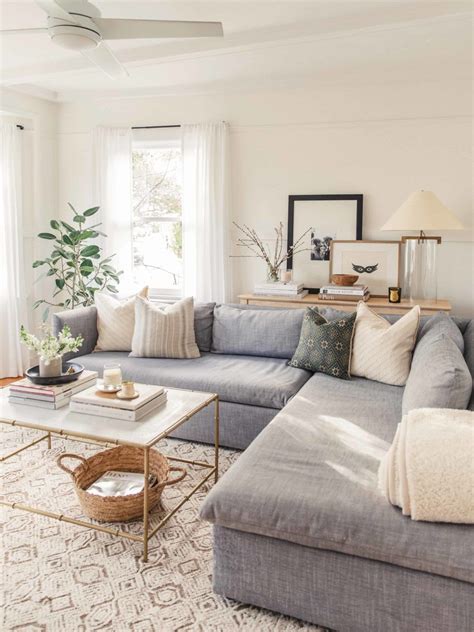
Choosing the right furniture pieces is the foundational step in designing a functional small living room. Bulky sectional sofas and oversized entertainment centers often overwhelm compact footprints, restricting natural walking paths and making the room feel restrictive. Opting for scaled-down alternatives, such as apartment-sized sofas with exposed legs, allows light to flow underneath the frame, visually expanding the floor space and creating a lighter, airier ambiance.
Multi-functional furniture serves as an invaluable asset in American apartments where storage closets are frequently sparse. Consider integrating storage ottomans that double as extra seating, nesting coffee tables that can be tucked away when floor space is needed, or a console table that converts into a compact workspace. Arranging these pieces away from walls can sometimes create a surprisingly cozy floating layout, provided the scale of the furniture matches the physical dimensions of the room.
Maximizing Corners and Awkward Nooks
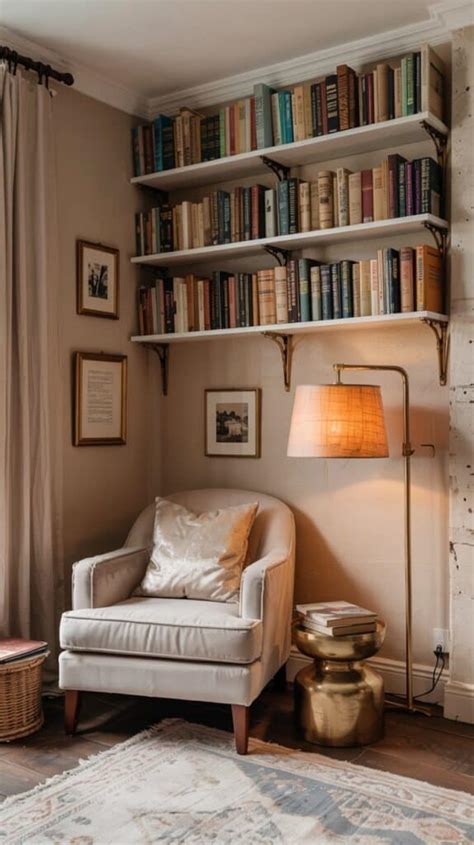
Awkward architectural features, such as structural pillars or slanted walls, frequently appear in older U.S. apartments and split-level homes. Rather than leaving these zones empty or forcing standard furniture into awkward angles, transform them into functional assets. Installing custom floating shelves or a corner reading nook with a compact armchair turns dead space into a purposeful destination within the room.
Another effective strategy for tricky corners involves hanging curved or floating wall units that provide display space without eating into precious floor area. Pairing a corner shelf with a targeted floor lamp or a trailing houseplant draws the eye upward, softening sharp angles and contributing to an overall sense of warmth and lived-in comfort.
Layering Lighting and Warm Textures
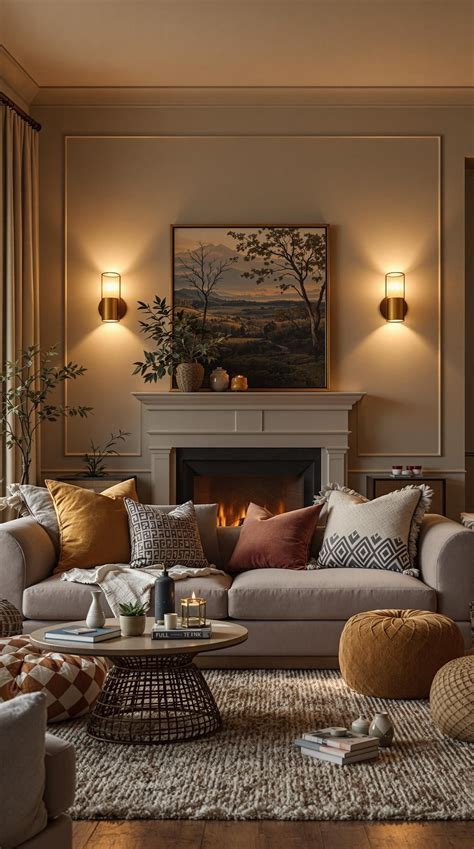
Lighting plays a monumental role in defining the mood of a compact living room. Relying solely on a harsh overhead ceiling light can flatten the space and create unappealing shadows. Instead, adopt a layered lighting scheme that incorporates table lamps, dimmable floor lamps, and wall sconces placed at varying heights. This technique introduces depth, warmth, and visual interest, making the room feel expansive yet intimate after sunset.
Textiles are equally crucial for establishing genuine coziness. Incorporating a rich variety of fabrics—such as chunky knit throw blankets, velvet accent pillows, woven jute rugs, and heavy linen curtains—adds tactile depth that hard surfaces simply cannot provide. In rental properties where permanent changes to walls and flooring are restricted, layering rugs and textiles represents one of the most effective, damage-free methods to inject personality and warmth into your living space.
Vertical Space Utilization and Wall Decor
When horizontal floor space is strictly limited, looking upward provides an entirely new dimension for storage and decoration. Hanging curtains high and wide—mounting the curtain rod several inches above the window frame and close to the ceiling—creates the illusion of soaring ceilings and larger windows. This simple optical adjustment dramatically alters the perceived proportions of a standard apartment living room.
Wall decor should also be curated with verticality in mind. Grouping art in a vertical gallery wall guides the viewer’s gaze upward, while tall, slender bookcases make efficient use of vertical wall space without overwhelming the room’s footprint. For renters hesitant to hammer nails into drywall, heavy-duty adhesive hanging strips or leaning bookcases offer sturdy, non-permanent alternatives that still deliver maximum visual impact.
Frequently Asked Questions
How can I make a tiny living room feel cozy instead of cramped?
To keep a small living room feeling cozy rather than claustrophobic, focus on the scale of your furniture and the warmth of your lighting. Choose furniture with exposed legs to maintain visual floor continuity, incorporate soft textiles like wool and velvet, and use multiple low-level light sources instead of a single harsh overhead light.
What type of furniture works best in compact U.S. apartments?
Multi-functional and apartment-scale furniture pieces perform best in compact layouts. Look for storage ottomans, nesting tables, slim-profile sofas, and modular shelving units that adapt easily to changing spatial needs without cluttering the room.
How can I add storage without making my living room look cluttered?
Utilize vertical storage solutions such as tall bookcases and wall-mounted shelves to keep items off the floor. Additionally, incorporate hidden storage options like hollow benches, storage coffee tables, and decorative baskets tucked beneath consoles to keep everyday items out of sight.


