Creating a dedicated escape right outside your back door has become an increasingly popular way to expand usable living space in American homes. When traditional home additions or interior renovations are not practical, setting up a high-capacity shelter offers an immediate solution for hosting visiting family, giving kids a memorable weekend adventure, or enjoying a quiet outdoor reading nook. Selecting a quality family tent with separate bedrooms ensures that everyone enjoys personal boundaries and acoustic privacy, mimicking the comfort of indoor sleeping quarters while fully embracing nature.
Evaluating these specialized structures requires looking beyond standard camping gear to focus on residential needs. Modern multi-room cabin tents often feature sewn-in dividers, removable privacy curtains, and standing-height ceilings that accommodate conventional furniture like cots and air mattresses. By matching the right layout and fabric durability to your local climate, you can establish a reliable, semi-permanent backyard haven that enhances your property’s functionality throughout the warmer months.
The Benefits of Separate Bedrooms in Residential Tents
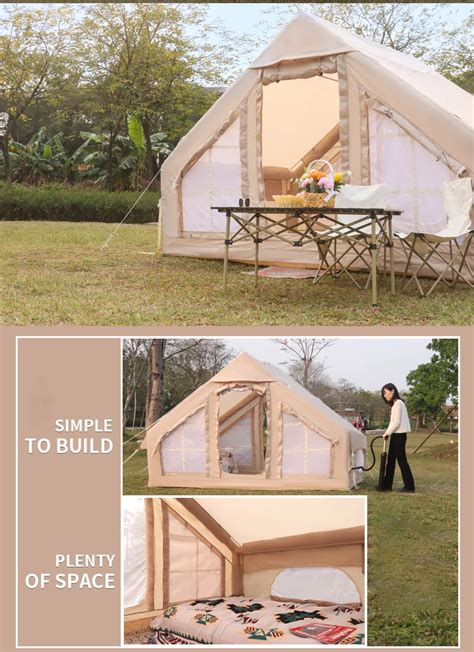
Sharing a single, open-concept enclosure with multiple people often leads to compromised comfort, tangled gear, and interrupted sleep schedules. Tents engineered with distinct room divisions solve these common friction points by creating dedicated zones for parents, children, or overnight guests. This structural separation allows different household members to maintain independent schedules, ensuring that early risers or night owls do not disturb others sharing the same footprint.
Beyond basic sleeping arrangements, separate rooms provide valuable organizational benefits for backyard setups. You can designate one room strictly for sleeping bags and mattresses while utilizing an adjacent vestibule or side room for luggage, clothing bins, and shoes. This division keeps the main living and sleeping areas uncluttered, making the interior feel less like a temporary campsite and more like a well-organized guest suite under canvas.
Key Structural Features for U.S. Climate Zones
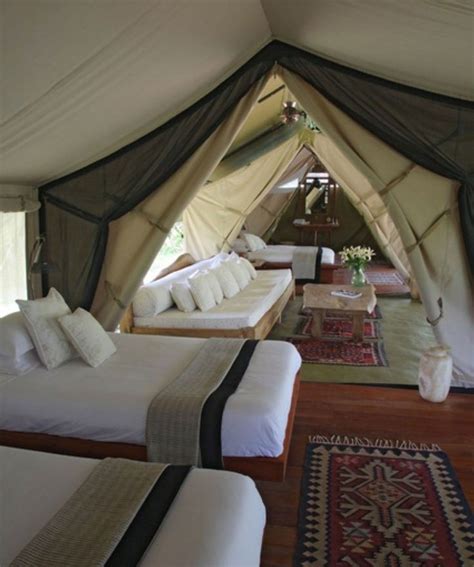
Weather resistance remains a primary consideration when establishing a long-term shelter in your yard. American yards experience diverse environmental conditions, ranging from humid summers in the Southeast to sudden afternoon thunderstorms in the Midwest or dry heat across the Southwest. Look for models featuring heavy-duty, water-resistant polyester or canvas fly sheets with factory-sealed seams to prevent moisture from compromising your interior furnishings.
Ventilation is another critical factor that directly influences comfort during warm weather. Large mesh windows, ground vents, and ceiling panels allow cooling cross-breezes to circulate throughout each separate room, preventing the greenhouse effect common in oversized synthetic shelters. Additionally, sturdy steel or robust fiberglass pole systems ensure the structure maintains its structural integrity against seasonal wind gusts without shifting or putting undue stress on the fabric.
Setting Up Your Backyard Glamping Retreat
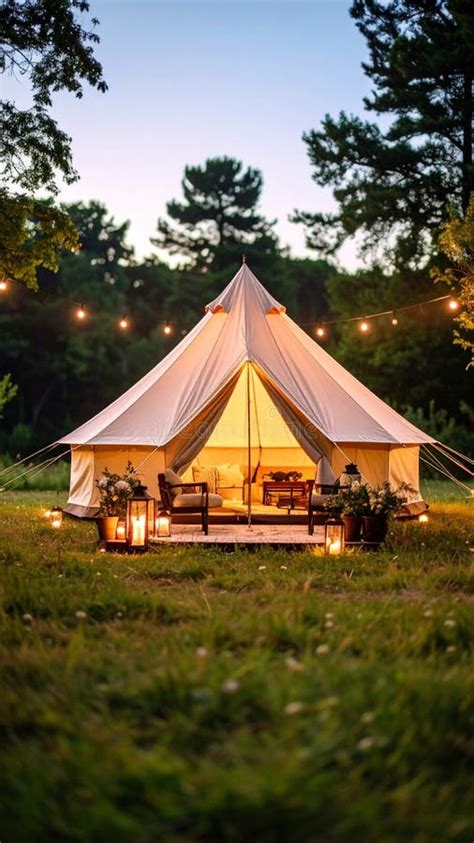
Transforming a standard multi-room tent into an inviting private retreat involves thoughtful interior styling and amenity placement. Start by selecting a level, well-draining patch of lawn or laying down an outdoor deck platform to elevate the base. Adding interlocking foam tiles or weather-resistant outdoor rugs creates a comfortable, insulating floor layer that shields your feet from morning dampness and makes walking barefoot inside the tent pleasant.
Lighting and power management elevate the setup from a basic campsite to a functional extension of your home. Battery-operated string lights, clip-on reading lamps, and portable power stations allow you to charge devices and maintain warm illumination after dark without running hazardous extension cords across the grass. Layering the interior with comfortable bedding, throw pillows, and lightweight storage caddies completes the transition into a cozy, habitable guest lodge.
Frequently Asked Questions
What size family tent is best for a family of four?
A tent rated for six to eight people is generally recommended for a family of four when utilizing separate bedrooms. This extra capacity ensures you have sufficient floor space for air mattresses, luggage, and walking paths without feeling cramped against the room dividers.
Can these multi-room tents stay set up all summer?
While many multi-room cabin tents are durable enough for extended backyard use, leaving any tent exposed to continuous UV radiation and severe weather will gradually degrade the fabric. It is best to monitor local weather forecasts, remove the rainfly during prolonged dry spells to reduce UV stress, and take the structure down if major storms are predicted.
How do I protect the tent floor from lawn moisture?
Using a custom-fit footprint or a heavy-duty tarp underneath the tent provides an essential moisture barrier and protects the tent floor from punctures caused by twigs or rough ground. Ensure the under-tarp is tucked slightly inward from the edges of the tent floor so it does not catch rainwater and pool moisture underneath.


