When designing an inviting backyard oasis, the ground beneath your feet is often the missing puzzle piece that turns a simple shelter into a true outdoor living room. Whether you are setting up a bell tent for seasonal lounging, creating a permanent glamping nook on a wooden deck, or simply carving out a cozy weekend reading corner on the lawn, the right tent carpet changes everything. Walking barefoot onto a plush, textured surface instead of cold ground or crinkly tent canvas instantly shifts the atmosphere from utilitarian to deeply luxurious and welcoming.
Achieving this transformation requires looking past standard indoor rugs and understanding what makes outdoor-friendly tent flooring durable, comfortable, and easy to maintain. By balancing tactile warmth with practical weather resistance, homeowners and renters alike can curate a backyard retreat that feels just as curated and comfortable as any room inside the main house.
The Transformative Benefits of Adding a Tent Carpet
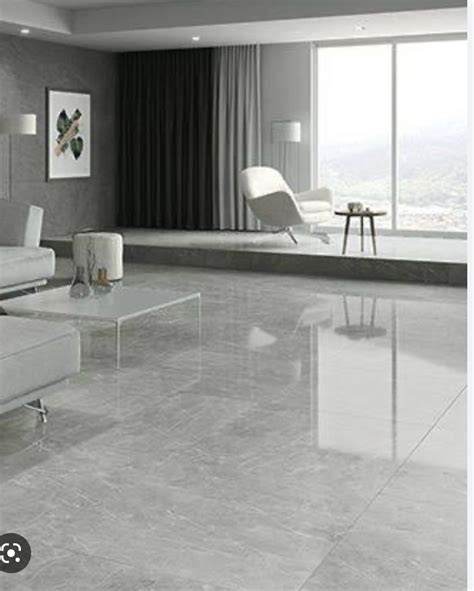
Stepping inside a backyard tent that features a properly fitted floor covering immediately reveals an upgraded sensory experience. Bare canvas or synthetic tent floors can feel chilly, damp, and unforgiving, especially during early morning hours or late autumn evenings. A quality tent carpet provides crucial thermal insulation, trapping a layer of warm air between the ground and your feet while cushioning every step you take.
Beyond physical comfort, flooring acts as a foundational design element that anchors your entire furniture arrangement. It masks uneven patches of grass, keeps dust and tracked-in dirt contained to a cleanable surface, and dampens ambient noise to create a peaceful sanctuary. When guests step inside, the room feels intentional and finished rather than like a temporary camping setup thrown together in the backyard.
Selecting the Ideal Material for Weather Resistance
Choosing the correct fabric or weave is critical because backyard tents are subject to shifting humidity, morning dew, occasional rain splashes, and heavy foot traffic. Traditional wool or delicate cotton rugs will absorb moisture, trap mildew, and quickly degrade if exposed to damp outdoor conditions. Instead, look toward materials engineered explicitly for dual indoor-outdoor versatility.
Polypropylene and recycled plastics offer exceptional moisture resistance and can easily be hosed off when dirty, making them ideal workhorses for heavy use. For a softer, more organic aesthetic, tightly woven synthetic jute or polyester blends provide the rich texture of natural fibers without retaining water. Fleece-backed picnic blankets or specialized tent rugs featuring waterproof backing layers provide an extra shield against rising ground dampness.
Sizing and Fitting Your Tent Flooring Accurately
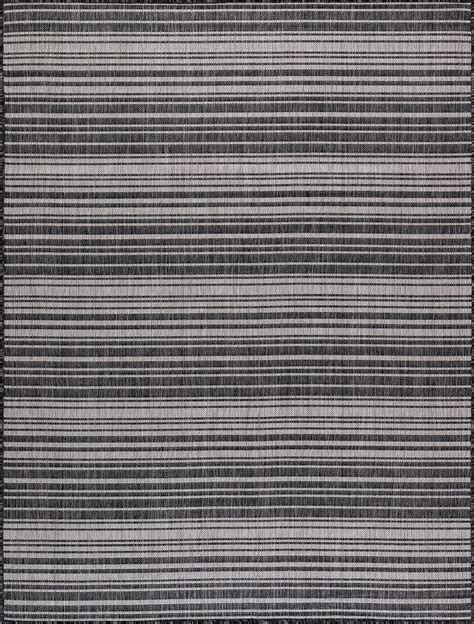
Getting the dimensions right prevents awkward bunching, exposed corners, or tripping hazards within your backyard shelter. Before purchasing any floor covering, measure the exact interior footprint of your structure, keeping in mind structural center poles or guy-line anchor points that might interrupt a rectangular layout.
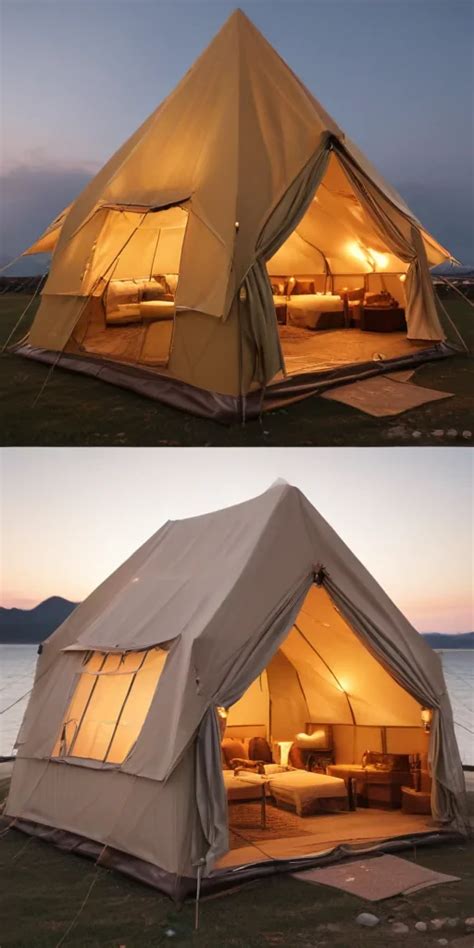
For circular bell tents, specialized wedge-cut rugs or pieced circular carpets fit snugly against the perimeter walls to maximize usable floor space. If you are using standard rectangular outdoor rugs in a square or dome-shaped tent, consider overlapping multiple smaller carpets to create a layered, bohemian aesthetic that accommodates odd angles. Leaving a small border of the waterproof tent floor exposed near the very edges can also simplify sweeping out debris.
Styling Your Backyard Tent Into a Luxury Oasis
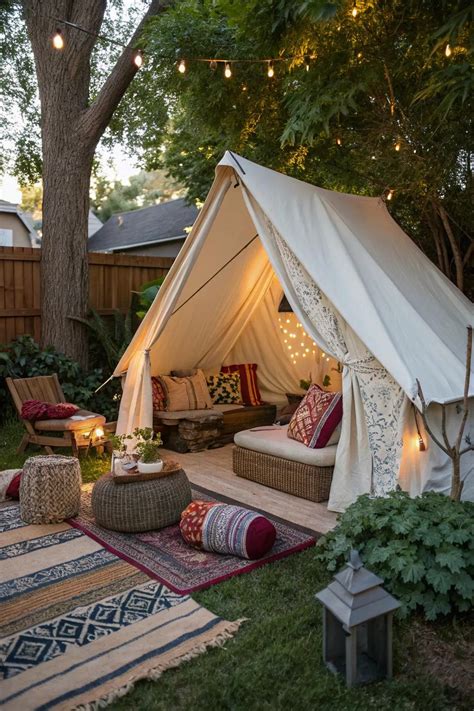
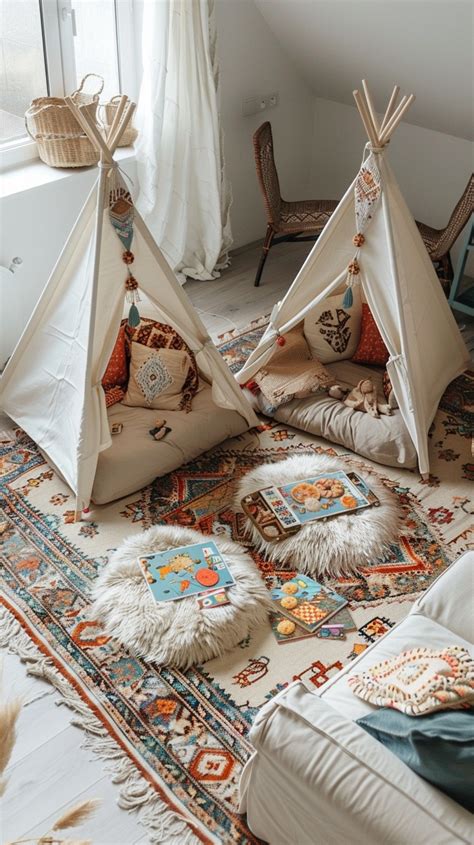
Once your durable foundation is securely in place, you can focus on layering textiles to elevate the cozy factor. Start by introducing floor cushions, poufs, and low-profile seating that draw the eye downward and complement the texture of your chosen tent carpet. Neutral, earthy tones like warm beige, terracotta, and olive green create an organic backdrop, while patterned geometric or Moroccan-inspired weaves add instant visual personality.
Enhance the indoor-outdoor illusion by adding ambient lighting, potted plants suited for indirect outdoor light, and soft throw blankets draped over seating. The combination of a plush, supportive carpet beneath casual furnishings blurs the line between indoor luxury and backyard freedom, inviting you to linger outside long after the sun has set.
Practical Maintenance and Cleaning Strategies
Protecting your investment ensures your backyard retreat remains fresh and inviting season after season. Routine maintenance starts with regular sweeping or shaking out loose dirt, leaves, and pet hair before they get ground deep into the carpet fibers. For synthetic polypropylene weaves, stubborn stains can typically be addressed using a mild dish soap solution, a soft-bristled brush, and a thorough rinse from a garden hose.
Always ensure your tent carpet dries completely before rolling it up for storage or leaving it inside a closed tent for extended periods, as trapped moisture promotes mold growth. By storing your flooring in a dry, ventilated garage or shed during harsh winter months, you will preserve its vibrant colors and structural integrity for years of future backyard relaxation.
Frequently Asked Questions
What is the best material for an outdoor tent carpet?
Polypropylene and recycled synthetic fibers are generally considered the best materials for outdoor tent carpets. They resist moisture, do not harbor mold or mildew easily, and can be quickly cleaned with a garden hose and mild soap.
How do I choose the right size carpet for my backyard tent?
Measure the interior floor space of your tent carefully, accounting for any center poles or support beams. For round tents, look for circular or pieced wedge carpets that fit flush against the walls, while rectangular tents can utilize single large rugs or layered smaller runners.
Are tent carpets waterproof and easy to clean?
While most tent carpets are water-resistant rather than entirely waterproof, materials like synthetic polypropylene do not absorb liquid and dry very rapidly. They are exceptionally easy to clean compared to traditional indoor wool or cotton rugs.
How can I make my backyard tent feel more like an indoor living room?
Start with a plush, textured tent carpet to insulate the floor and add comfort. Layer in floor cushions, low-profile seating, warm string lighting, and soft throws to replicate the coziness and aesthetic appeal of an indoor lounge space.