Grey tile has become a staple in modern American interior design, celebrated for its sleek aesthetic, durability, and low maintenance. However, homeowners frequently worry that a grey tile living room might lean toward feeling cold, clinical, or uninviting. The secret to overcoming this challenge lies in thoughtful styling, embracing underlying warmth, and layering tactile elements that balance the hard surface of the tile.
Whether you are designing a brand-new open-concept layout or refreshing an existing space, transforming grey tile into a cozy foundation is entirely achievable. By focusing on intentional material pairing, strategic lighting, and rich textures, you can create a living room that feels grounded, welcoming, and deeply comfortable throughout every season.
Choosing Warm Undertones and Tactile Grey Tiles
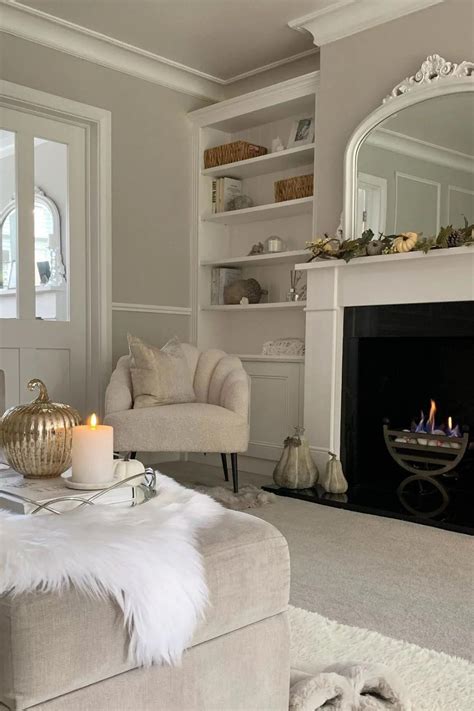
When selecting grey tile for a living room, the specific shade and finish dictate the overall emotional temperature of the space. Pure, blue-based greys can often amplify a chilly atmosphere, especially in rooms with north-facing windows that receive cool daylight. Instead, opt for greige—a sophisticated blend of grey and beige—or taupe-infused grey tiles that naturally reflect warmth.
Furthermore, the physical texture of the tile plays a critical role in softening the room. Matte finishes, stone-look porcelain with subtle veining, or terracotta tiles glazed in charcoal hues absorb light rather than reflecting it harshly. Incorporating textured surfaces tricks the eye into perceiving softness, creating a sensory-rich base that sets an inviting tone for the rest of your furniture and decor layout.
Layering Textiles and Warm Woods to Contrast Hard Surfaces
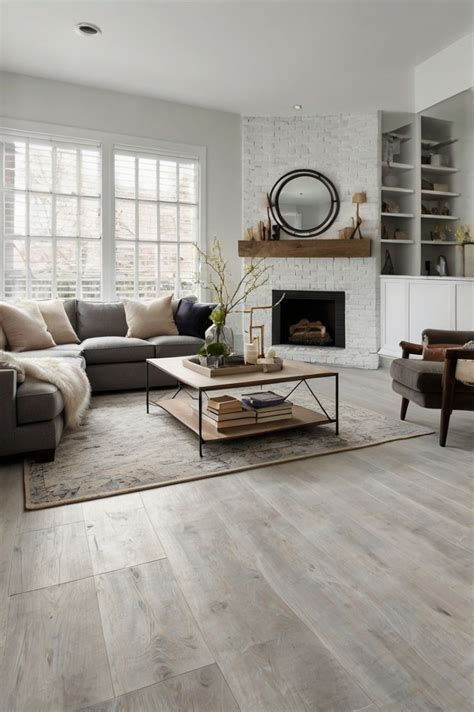
One of the most effective ways to counteract the chill of grey flooring is through generous layering of soft textiles. Thick wool rugs, plush shag runners, or woven jute rugs placed over large tiled areas instantly introduce warmth underfoot while breaking up the visual expanse of grey. Make sure your area rug is large enough to anchor your main seating group, allowing the front legs of sofas and armchairs to rest comfortably on the fabric.
In addition to rugs, bring in organic elements like walnut coffee tables, oak sideboards, and leather armchairs to introduce natural grain and earthy tones. Wood inherently balances cool stone or ceramic tiles, creating an appealing contrast that feels both contemporary and timeless. Throw blankets draped casually over seating and heavy linen or velvet drapery will further soften the room’s hard architectural lines.
Designing a Cozy Focal Point with Grey Tile Surrounds
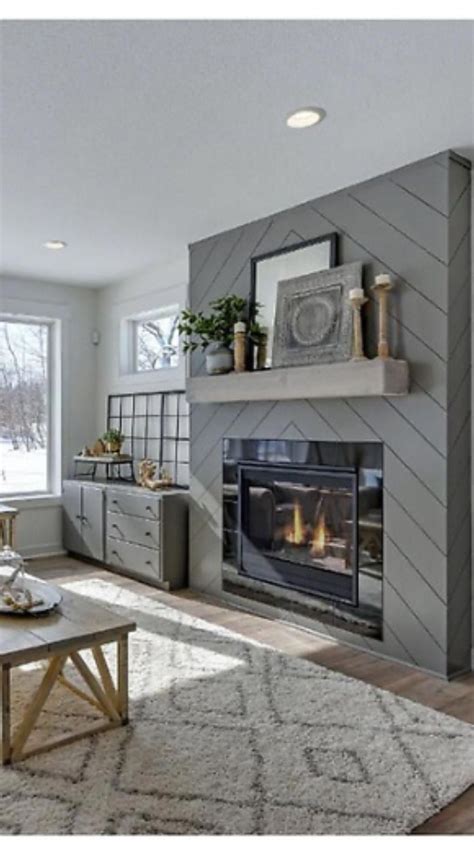
Tile is not just for floors; utilizing grey tile on a living room feature wall or fireplace surround introduces architectural interest and texture at eye level. A herringbone pattern or geometric tile layout surrounding a fireplace instantly draws the eye and anchors the room, transforming the hearth into a natural gathering spot during cooler months.
When pairing grey tile with a fireplace, complement the setup with warm brass or matte black fireplace accessories, rich wood mantels, and amber-toned ambient lighting. This creates a cozy focal point that celebrates the beauty of grey without letting the space feel austere or disconnected from the rest of your home’s living areas.
Optimizing Lighting to Enhance Warmth and Mood
Lighting can completely alter how grey tile behaves in a living room environment. Relying solely on bright, cool overhead lights will inevitably make grey surfaces look stark. Instead, build a layered lighting plan that incorporates warm color temperatures, ideally staying within the 2400K to 2700K range for bulbs in floor lamps and table lamps.
Positioning accent lighting near textured grey tile walls or recessed floor uplighting can cast soft shadows, highlighting the tactile qualities of the surface. Dimmers are also invaluable in a tiled living room, allowing you to easily transition the space from bright and airy during daytime family activities to intimate and glowing during quiet evenings.
Frequently Asked Questions
How can I make my grey tile living room feel less cold?
To counteract the coolness of grey tile, focus on layering soft textiles such as thick wool rugs and plush throw blankets. Incorporate warm wood furniture, leather accents, and warm-toned lighting (2400K-2700K) to create an inviting atmosphere.
What color furniture goes best with grey tile flooring?
Warm neutrals like cream, beige, camel, and cognac leather pair exceptionally well with grey tile. Rich wood tones, such as oak and walnut, also help balance the cool undertones of the flooring.
Are textured grey tiles better than glossy tiles for a cozy feel?
Yes, matte and textured tiles absorb light and add tactile depth, whereas high-gloss tiles can reflect harsh light and make a room feel more sterile and clinical.


