Shopping on a massive e-commerce platform like Wayfair can often feel like searching for a needle in a haystack. With millions of items spanning every imaginable aesthetic, it is easy to experience digital fatigue and default to safe, generic choices that look like every other suburban living room or downtown apartment. However, beneath the surface of mass-market products lies a diverse ecosystem of independent makers, specialty suppliers, and distinctive vintage-inspired pieces waiting to be discovered by the patient shopper.
Successfully navigating this enormous inventory requires shifting your mindset from casual browsing to intentional curation. Instead of typing broad terms like “brown wooden coffee table” into the search bar, treating the catalog like a curated boutique helps you unearth unexpected textures, artisan-style ceramics, and architecturally striking furniture that feels genuinely personal. By mastering advanced filters, understanding how to decode supplier listings, and pairing statement items with everyday staples, you can build a cohesive, high-end look without losing your sanity in the endless scroll.
Mastering Advanced Search Filters to Surface Hidden Gems
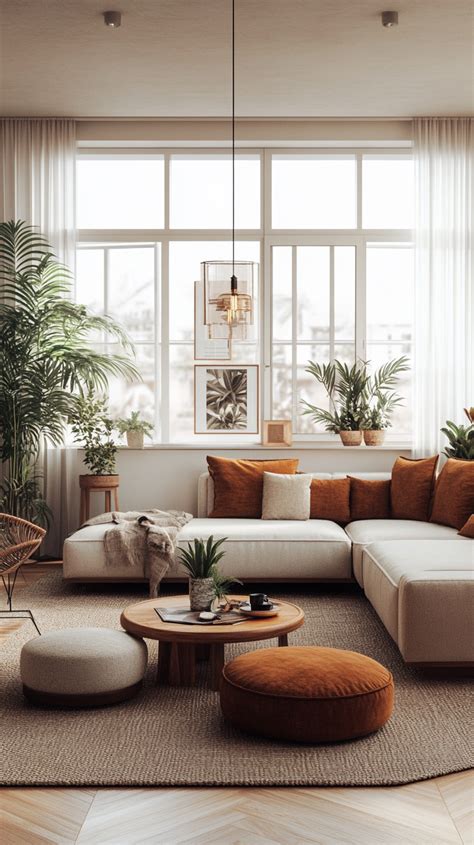
The secret to finding distinctive items on massive retail sites lies entirely in how you manipulate the filter sidebar. Most shoppers stick to basic category selections and price sliders, which usually pushes the platform’s most heavily advertised, mass-produced items straight to the top of the results page. To bypass the mainstream clutter, dive deep into material specifications, specialized style tags, and lesser-known brand filters.
For instance, filtering specifically for materials like solid mango wood, hand-knotted wool, or distressed cast iron immediately eliminates thousands of synthetic or flat-pack alternatives. Combine these material constraints with niche style designations such as “global eclectic,” “mid-century modern industrial,” or “organic modern.” This specific combination forces the algorithm to pull items from specialized suppliers who focus on craftsmanship and unique finishes rather than mass volume.
Decoding Material Descriptions and Supplier Details
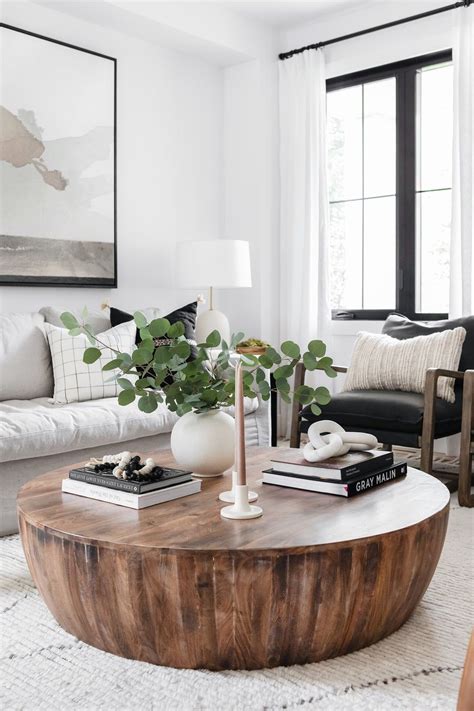
When you spot a promising piece, your investigative work has only just begun. Mass-market retailers often source products from hundreds of different third-party manufacturers, meaning material quality can vary wildly from one listing to the next. Always click past the marketing bullet points to read the full specifications sheet, paying close attention to the distinction between solid wood, manufactured wood veneers, and engineered composites.
Reading customer review photos is another non-negotiable step in the curation process. Studio lighting can make any finish look luxurious, but user-submitted photos uploaded in everyday home lighting reveal the true undertones of a wood stain, the actual weight of a ceramic vase, or the real-world texture of a bouclé accent chair. Checking these details protects you from surprises and ensures the pieces you select will genuinely elevate your space.
Curating Distinct Aesthetic Categories: From Boho to Modern Vintage

Building a home that feels authentic rather than showroom-assembled requires establishing a clear design direction before you start adding items to your digital cart. Wayfair houses distinct micro-brands and specialized collections that lean heavily into specific aesthetics. Knowing where to look within the catalog saves hours of aimless searching and keeps your overarching design narrative intact.
If your style leans toward a warm, lived-in bohemian or organic modern look, search for terms like “rattan accent,” “terracotta decor,” or “hand-woven jute.” For those drawn to a refined modern farmhouse or transitional aesthetic, look for matte black metal hardware, shaker-style frames, and distressed leather. The key is picking one dominant aesthetic to anchor the room and layering in contrasting textures from a secondary style to prevent the space from looking flat or overly themed.
Mixing Eras and Textures for an Eclectic Feel
A common pitfall when shopping a single retailer is ending up with a room where every single piece matches too perfectly, draining the space of character and visual depth. To counteract this, deliberately curate items that cross different historical eras and tactile families. If you are ordering a sleek, contemporary velvet sofa, balance its smooth surface with a rustic, reclaimed wood coffee table that features visible grain and imperfections.
Similarly, introduce metallic finishes that contrast with one another rather than matching all your hardware. Pairing an aged brass floor lamp with matte black shelving brackets or polished nickel accents creates a layered, collected-over-time atmosphere. This deliberate juxtaposition tricks the eye, making mass-market furniture look like bespoke finds gathered from vintage markets and antique shops.
Elevating Mass-Market Furniture with Custom Styling Details
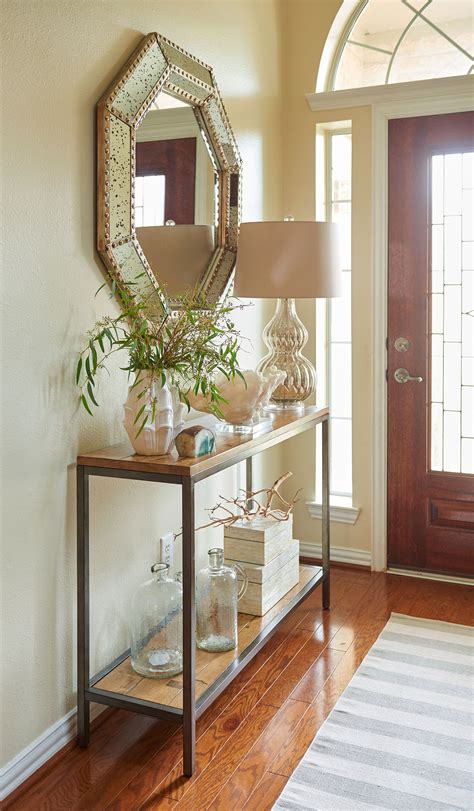
Even the simplest, most budget-friendly furniture silhouettes can be transformed into high-end statement pieces with the right styling approach. When your Wayfair deliveries arrive, view them as blank canvases ready for your personal touch. Small, deliberate modifications often yield dramatic visual results that completely alter the perceived value of an item.
Consider swapping out standard-issue hardware on media consoles, dressers, or nightstands. Replacing generic knobs and pulls with heavy unlacquered brass, sculpted ceramic handles, or sleek leather pulls instantly upgrades a basic piece of furniture. Additionally, style your flat surfaces with intentional groupings of objects that vary in height, shape, and translucency—such as stacking art books beneath a heavy travertine catchall tray.
Practical Frameworks for Room Layout and Focal Points
Before ordering large-scale items, map out your room’s focal point and traffic flow using painter’s tape on your floors or a digital room planner. A common mistake is buying items based solely on how they look online without measuring how they anchor the room. Your statement pieces—whether a dramatic arched mirror or a sculptural accent chair—should command visual attention without making the space feel cramped.
Ground your seating arrangements with an appropriately sized area rug that extends at least a few inches under all primary furniture legs. Layering a smaller, patterned vintage-style runner over a larger, neutral jute rug adds incredible depth and warmth to a room. By focusing on layout proportion and tactile layering, you transform individual retail purchases into a cohesive, beautifully designed sanctuary.
Frequently Asked Questions
How can I tell if a Wayfair furniture piece is good quality?
Always review the detailed specifications tab to check core materials. Look for solid woods like oak, mango, or acacia rather than purely engineered wood if you want long-term durability. Furthermore, filter reviews by “with photos” to examine real customer images under normal home lighting conditions, which reveal true construction quality and finish accuracy.
What are the best search terms to find unique decor on Wayfair?
Avoid generic nouns and instead use descriptive, artisan-focused keywords. Terms like “hand-carved,” “distressed finish,” “terracotta,” “raw brass,” “bouclé,” or “reclaimed wood” help filter out mass-produced items and surface more distinctive, high-end looking products.
How do I prevent a room from looking like a catalog showroom?
To avoid a matchy-matchy look, deliberately mix materials, eras, and textures. Pair clean-lined contemporary furniture with rustic or vintage-inspired accents, and introduce contrasting hardware, varied lighting sources, and layered textiles like jute rugs and textured throw pillows.
Are there specific brands or suppliers on Wayfair known for unique styles?
Wayfair operates several specialized house brands and features third-party makers. Look into curated collections like Joss & Main or AllModern for specific design profiles, and use the filter tool to narrow down results by specific manufacturer ratings and specialized artisan importers.


