When planning a family camping trip or seeking a functional backyard retreat, transitioning from a single-space dome tent to a multi-room model changes the entire outdoor experience. Traditional single-room tents often result in a crowded floor plan where sleeping bags, duffel bags, and muddy boots compete for the exact same square footage. Multi-room tents solve this spatial challenge by incorporating sewn-in or removable fabric dividers, creating distinct zones for sleeping, changing, or storing gear. For homeowners and renters across the United States, these structures offer a practical compromise between the ruggedness of wilderness camping and the creature comforts of indoor living.
Understanding how these shelters operate requires looking beyond simple square footage to examine layout functionality, structural integrity, and logistical realities. Whether you are setting up a weekend basecamp in a national forest or creating a safe, shaded play zone in a suburban backyard, choosing the right configuration depends heavily on your group size and typical weather conditions. Evaluating the differences between two and three-room variants helps ensure that your investment delivers long-term utility, comfort, and peace of mind during unexpected rainstorms.
The Core Benefits of Multi-Room Tents for Modern Campers
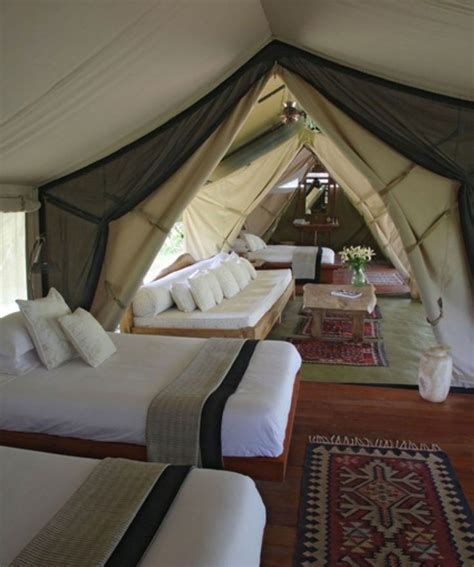
The primary advantage of multi-room shelters lies in their ability to restore personal privacy and organizational order in an outdoor setting. When multiple family members or friends share a single footprint, morning routines and bedtime schedules can easily conflict. Partitioned walls allow parents to maintain a separate sleeping zone while children have their own designated area, reducing friction during early mornings or late nights. Furthermore, dedicated entryways or middle mudrooms keep damp outerwear and equipment away from clean sleeping surfaces, preventing the interior from turning cluttered and chaotic.
Beyond privacy, these larger structures significantly improve the psychological comfort of extended outdoor stays. Being confined to a cramped tent during an afternoon thunderstorm can quickly test anyone’s patience. Multi-room options provide enough height to stand upright and enough floor separation to spread out activities like reading, playing games, or organizing meals. This spatial buffer helps families maintain a sense of normalcy, making longer camping trips or multi-day backyard staycations feel relaxed rather than claustrophobic.
Enhancing Privacy and Sleep Hygiene
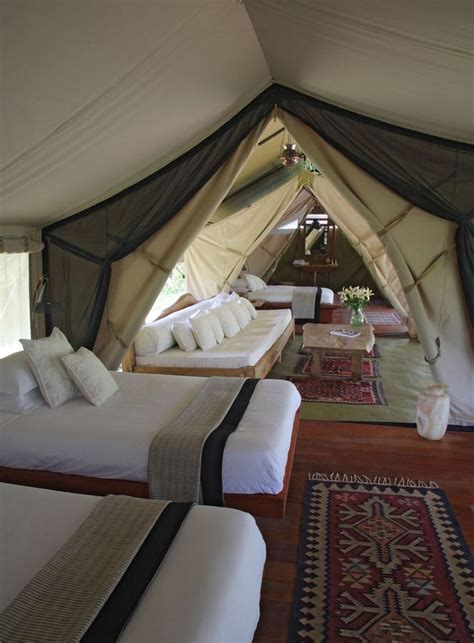
Sound isolation and visual separation are critical elements of quality sleep, even when sleeping under nylon canvas. Fabric room dividers—often constructed from heavy polyester or taffeta with secure zipper closures—help block flickering flashlight beams and early morning sun rays from waking neighboring sleepers. This separation makes it much easier for parents to put younger children to bed early without having to sit completely in the dark themselves.
Good airflow and ventilation also benefit greatly from multi-room designs. Because these tents are larger, manufacturers typically incorporate multiple mesh roof panels, ground-level vents, and partitioned windows. Strategic cross-ventilation prevents the buildup of condensation, which is a common issue in humid American climates, ensuring that the air inside remains crisp and comfortable throughout the night.
Managing Clutter and Gear Storage
A cluttered tent floor is a tripping hazard, especially in the dark. Multi-room layouts naturally encourage better gear management by designating specific areas for luggage, coolers, and outdoor gear. Many 2 and 3-room tents feature a central screened vestibule or an unfloored mudroom section specifically intended for muddy hiking boots, wet raincoats, and sandy beach toys.
By keeping wet and dirty items confined to a single transition zone, the actual sleeping quarters stay clean and dry. Storage pockets sewn into the partition walls further help keep flashlights, water bottles, and personal items within arm’s reach, eliminating the frantic search for essentials at the bottom of a duffel bag.
Comparing 2-Room and 3-Room Tent Layouts
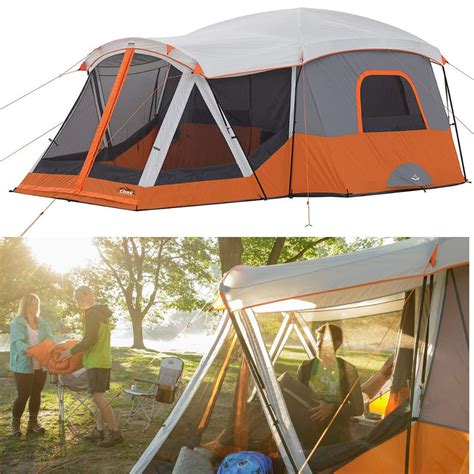
Deciding between a two-room and a three-room configuration involves balancing your need for interior space against the practical realities of transport and setup. A standard 2-room tent typically splits the interior down the middle or features a bedroom plus a screened porch area. This layout is versatile, relatively straightforward to pitch, and provides a balanced compromise between interior volume and wind resistance, making it a popular choice for couples or families with one or two children.
On the other hand, a 3-room layout usually adopts a cabin-style architecture with two outer sleeping pods flanking a central communal living space or vestibule. This design offers maximum privacy and an authentic multi-zone living experience, closely resembling a small cabin. However, the increased footprint and height mean that 3-room tents demand larger campsite clearances and require more attention to guylines and staking procedures when facing gusty winds.
The Versatility of 2-Room Configurations
Two-room shelters are often favored for their adaptability across different camping environments. One room can serve as a weatherproof bedroom while the other acts as a living area, kitchen staging zone, or secure shelter for bicycles and gear. This division is exceptionally useful during unpredictable spring and autumn weather in the U.S., where sudden downpours can halt outdoor cooking and force activities inside.
Because they generally utilize fewer poles and a slightly smaller footprint than their three-room counterparts, 2-room models are often easier to pack into standard vehicle trunks. They strike an ideal balance for weekend warriors who want room to stretch out without spending an hour wrestling with complex frame assemblies upon arrival at the campground.
| Feature | 2-Room Tents | 3-Room Tents |
| :— | :— | :— |
| **Ideal Group Size** | 3 to 6 people | 6 to 10+ people |
| **Setup Complexity** | Moderate; fewer poles and simpler geometry | High; multiple hubs, steel poles, and guylines |
| **Wind Resistance** | Generally higher due to lower profile | Requires careful staking and guyline use |
| **Storage & Transport** | Fits comfortably in standard car trunks | Often requires dedicated roof rack or large SUV |
The Grand Scale of 3-Room Options
Three-room tents are designed for larger groups, extended family outings, or campers who prioritize absolute luxury and personal space. The central room often features dual doors, creating a walk-through hallway that connects the two private bedrooms on either side. This layout eliminates the need to crawl over sleeping companions when someone needs to step outside in the middle of the night.
The primary trade-off with a 3-room tent is its physical scale and weight. These structures often feature steel or heavy-duty fiberglass pole systems that require two people to assemble efficiently. Campers must also ensure they reserve spacious campsite plots, as smaller primitive tent pads may not accommodate the sprawling footprint of a large cabin tent.
Key Features to Evaluate Before Purchasing
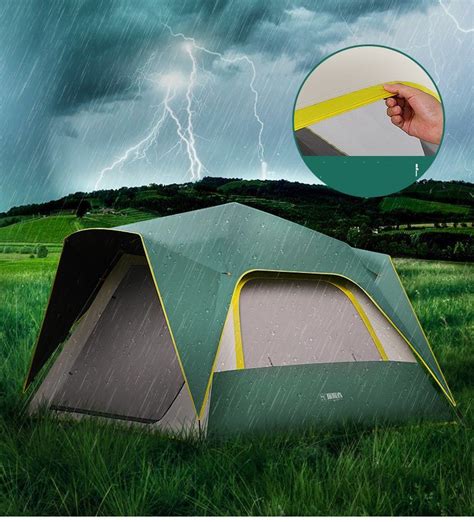
Selecting a multi-room tent requires careful scrutiny of materials, waterproofing ratings, and structural framing. Unlike minimalist backpacking shelters, large family tents catch a significant amount of wind, making durable construction essential. Look for high-denier polyester or nylon fabrics coated with polyurethane (PU) treatments, and check that the rainfly extends far down the sides to protect mesh windows from driven rain.
Floor construction is another critical consideration. Tub-style floors, where the waterproof material wraps several inches up the sides of the tent walls, prevent ground puddles from seeping inside during heavy downpours. Additionally, inspect the zipper quality; heavy-duty SBS or YKK zippers with storm flaps prevent snagging and keep moisture from penetrating the primary entry points and room dividers.
Weatherproofing for Diverse U.S. Climates
American camping conditions vary wildly from the humid summer rainstorms of the Southeast to the windy, open plains of the Midwest and the chilly mountain passes of the West. A reliable multi-room tent must feature factory-taped seams on both the rainfly and the floor to prevent water from wicking through needle holes. Hydrostatic head ratings of at least 1500mm to 2000mm provide solid assurance against prolonged precipitation.
Wind management is equally important for tall, cabin-style multi-room models. Steel upright poles combined with flexible fiberglass or aluminum roof poles offer the best combination of rigidity and flex. Always utilize all provided guylines and heavy-duty steel stakes rather than relying solely on standard wire pins, as securely anchoring the corners prevents structural twisting during sudden squalls.
Ease of Assembly and Transport Logistics
Before purchasing a large tent, consider the logistics of getting it from your front door to the campsite. Multi-room tents come in substantial duffel bags that can weigh anywhere from thirty to sixty pounds. Ensure your vehicle has adequate cargo capacity, and check whether the packed size fits comfortably alongside your coolers, sleeping pads, and folding chairs.
When it comes to setup, look for color-coded pole systems, continuous pole sleeves, or fast-pitch hub designs that simplify the assembly process. Practicing a test pitch in your backyard before your first trip allows you to identify missing parts, understand the tensioning system, and save valuable daylight at the campsite.
Practical Use Cases: From Campgrounds to Backyards
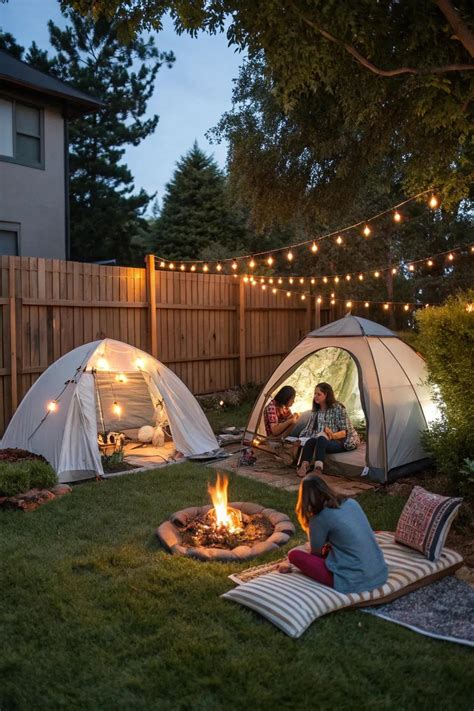
Multi-room tents excel in environments where comfort and prolonged habitation are priorities over ultralight mobility. Family campgrounds with drive-in sites are the natural home for these shelters, allowing campers to set up a comfortable basecamp complete with air mattresses, camp tables, and interior lighting. The ability to stand upright while changing clothes transforms the camping experience, making it accessible and enjoyable for family members who might otherwise hesitate to sleep outdoors.
Beyond traditional campgrounds, these tents have found a vibrant secondary life in residential backyards across the United States. Homeowners use 2 and 3-room tents to create backyard glamping setups for weekend sleepovers, birthday parties, or quiet outdoor reading rooms. Without the stress of driving hours to a state park, families can enjoy the sights and sounds of nature while retaining easy access to indoor kitchen and bathroom facilities.
Ultimately, investing in a multi-room tent bridges the gap between indoor coziness and outdoor exploration. By prioritizing thoughtful layouts, robust weather protection, and proper maintenance, you can create a reliable, comfortable outdoor sanctuary tailored to your family’s unique lifestyle.
Frequently Asked Questions
What is the main advantage of a multi-room tent over a standard tent?
The primary advantage is organization and privacy. Multi-room tents use fabric dividers to create separate sleeping and living zones, preventing clutter, keeping mud in designated entryways, and allowing family members to maintain different sleep schedules without disturbing one another.
Are multi-room tents difficult to set up by yourself?
Due to their size, weight, and multiple pole intersections, most multi-room tents are designed to be set up by at least two adults. While some modern models feature fast-pitch hubs, practicing the assembly in your backyard before your trip is strongly recommended.
How do multi-room tents perform in heavy rain and wind?
Quality multi-room tents handle weather well if they feature full-coverage rainflies, taped seams, and robust frame systems. However, because of their tall profiles, it is crucial to properly stake down all guylines to maintain stability during high winds.
Can I use a multi-room tent in my backyard for home events?
Yes, multi-room tents are increasingly popular for backyard sleepovers, family staycations, and outdoor parties. They provide spacious, private zones for kids and adults while keeping guests comfortable close to home.
How do I clean and store a large multi-room tent after a camping trip?
Always ensure the tent is completely dry before packing it away to prevent mold and mildew growth. Wipe down dirty floors with mild soap and water, sweep out debris from the corners, and store the tent in a cool, dry place out of direct sunlight.


