When most homeowners and renters think about gathering decor inspiration, platforms like Pinterest, Instagram, and specialized design blogs immediately come to mind. These visual channels excel at displaying finished rooms, paint swatches, and styled vignettes. However, a surprising resource often overlooked by design enthusiasts is LinkedIn. While traditionally viewed as a hub for corporate job seekers and B2B networking, LinkedIn has quietly evolved into a powerful ecosystem for interior design professionals, architectural firms, and material manufacturers to share high-level industry insights, behind-the-scenes project developments, and emerging market forecasts.
By shifting your perspective, you can use this professional network to look past the surface-level aesthetics found on consumer social media and dive straight into the business and strategy of design. Whether you are planning a comprehensive home renovation in Austin or simply trying to understand where sustainable architectural materials are heading next year, LinkedIn offers a direct line to the creators and thought leaders shaping the American home decor landscape. Learning how to navigate and filter this professional database opens up a new tier of interior design research that standard social feeds rarely provide.
Why LinkedIn Offers a Different Perspective on Home Decor
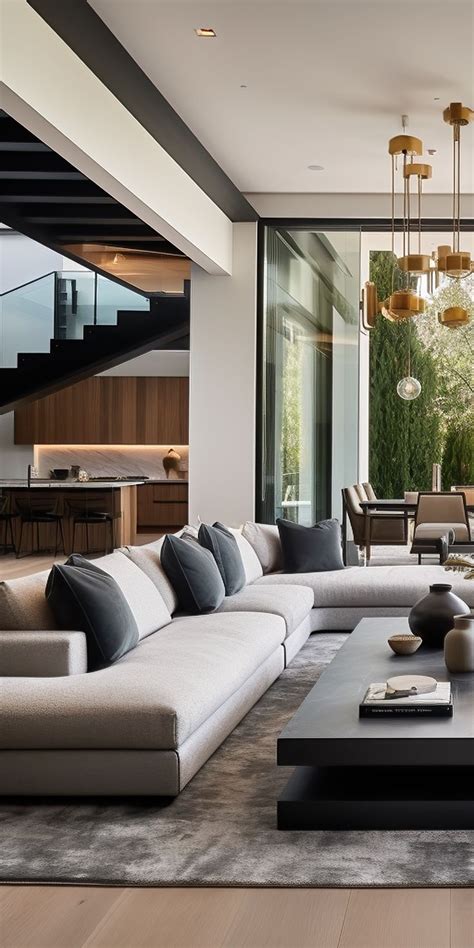
Consumer-facing platforms prioritize immediate visual gratification, often featuring heavily filtered photos that showcase a final result without explaining the context, material sourcing, or structural decisions behind it. In contrast, professionals publishing content on LinkedIn tend to focus on the methodology, supply chain realities, and long-term viability of specific decor trends. U.S. interior designers, architects, and product manufacturers share case studies, trade show reviews from events like High Point Market, and articles detailing why certain palettes or sustainable materials are gaining traction in American residential architecture.
This environment allows homeowners to develop a more sophisticated understanding of quality and craftsmanship. When a designer posts about a commercial-grade textile that works exceptionally well in high-traffic residential family rooms, you gain actionable knowledge that goes far beyond a pretty picture. Furthermore, you can observe how top firms handle spatial layouts, lighting design, and historic preservation. This educational depth helps you make smarter investment decisions for your own living space, ensuring that your decorating choices possess both lasting style and structural integrity.
How to Search for and Follow U.S. Interior Designers and Firms
Finding residential interior designers on LinkedIn requires using targeted search filters rather than broad keywords. Begin by navigating to the search bar and entering terms such as “Residential Interior Designer,” “Principal Designer,” or specific regional tags like “Interior Design Firm New York.” Once the initial results load, use the location filter to narrow the geography down to the United States or a specific metro area. This technique allows you to discover local talent who understand regional architecture, building codes, and local artisan networks.
When viewing designer profiles, look at their “Activity” section rather than just their resume experience. This is where they share articles, comment on industry shifts, and post photos of current projects in progress. Following these professionals adds rich, educational commentary to your daily feed. Instead of seeing random sponsored posts, your timeline will feature updates on artisan furniture makers, lighting innovations, and discussions on how American homes are evolving to accommodate multi-functional living spaces and remote work environments.
Best Practices for Reaching Out to Design Professionals
Reaching out to interior designers on a professional network requires a respectful approach that honors their business focus. Because LinkedIn is fundamentally a B2B platform, sending a vague message asking for free design advice is generally discouraged. Instead, frame your outreach around professional interest, project inquiries, or genuine appreciation for their published insights. If a local designer shared a compelling article about sustainable wood sourcing, reference that specific post when connecting to build immediate, authentic rapport.
For homeowners actively looking to hire a professional for an upcoming renovation or room makeover, LinkedIn serves as a vetting tool before formal consultation requests are made. Reviewing a designer’s portfolio links, recommendations from past clients or contractors, and participation in industry associations provides clear verification of their credibility. When you do send a connection request or direct message, keep it concise. State who you are, mention your general location, and clearly outline the scope of your residential project to see if they are currently taking on new residential clients.
Frequently Asked Questions
Can LinkedIn actually be used for home decor inspiration?
Yes, while LinkedIn is primarily a professional network, many U.S. interior designers, architects, and home goods manufacturers use the platform to share case studies, trend analysis, and project breakdowns that offer deep educational value for homeowners.
How do I find residential interior designers in the United States on LinkedIn?
Use specific search queries like “Residential Interior Designer” or “Principal Designer,” and combine them with location filters set to the United States or specific cities to find local professionals who understand regional styles and building codes.
What kind of decor content do designers share on LinkedIn versus visual platforms?
While platforms like Instagram and Pinterest focus on finished visual aesthetics, LinkedIn content tends to emphasize project methodologies, material sourcing, supply chain insights, and long-term architectural trends.
How can homeowners appropriately message designers on a professional network?
Always maintain a respectful, professional tone. Avoid asking for free design advice; instead, reference specific articles they wrote, comment on their industry insights, or clearly state your project scope if you are inquiring about hiring them.


