When modern families look to elevate their outdoor experiences, standard dome tents often fall short on space and privacy. Enter the expansive 16-person 3-room family cabin tent—a structural powerhouse designed to bridge the gap between rugged wilderness camping and home-like comfort. Whether you are planning an extended weekend at a national park campground or transforming your backyard into a seasonal guest suite, understanding the anatomy and practical deployment of these massive shelters helps you maximize every square foot.
Anatomy and Spatial Layout of a Multi-Room Cabin Tent
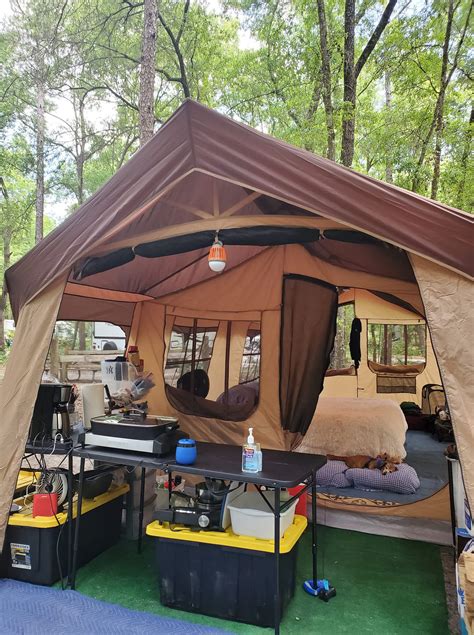
The defining characteristic of a cabin-style tent is its nearly vertical walls, which maximize interior headroom and floor usability compared to traditional sloping designs. A typical 16-person model features a segmented floor plan divided by zippered fabric partitions, creating three distinct zones. These rooms can be customized to serve as individual sleeping quarters, a central common area for storing gear, or even a private changing station for larger groups.
When planning your layout, spatial efficiency is key to maintaining comfort. While manufacturers rate these tents based on a maximum sleeping capacity using sleeping bags side-by-side, real-world comfort in U.S. homes and campsites usually means accommodating fewer people with air mattresses. Two queen-sized airbeds can easily fit into the larger central room, while the two adjoining side rooms comfortably house single cots or kids’ sleeping pads, leaving ample walking space down the center.
Expanding Versatility: Beyond Traditional Campsites
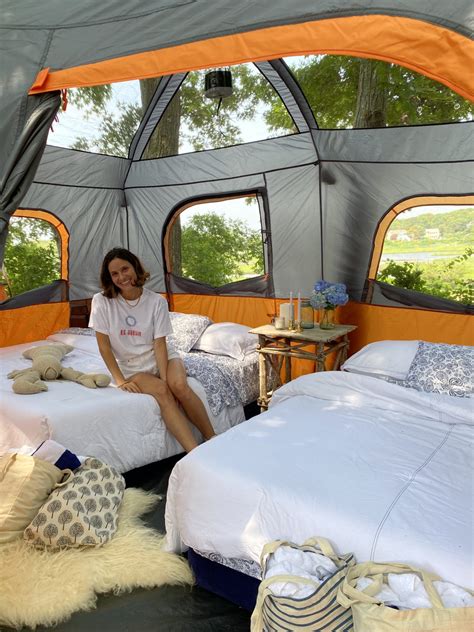
While designed for the great outdoors, a multi-room cabin tent serves as an incredibly versatile asset right at home. Homeowners frequently utilize these structures to host unforgettable backyard campouts for children’s birthdays, neighborhood get-togethers, or family reunions where extra sleeping space is at a premium. Setting up a weather-resistant canopy on your lawn gives guests a unique glamping experience without the need to travel hundreds of miles to a state park.
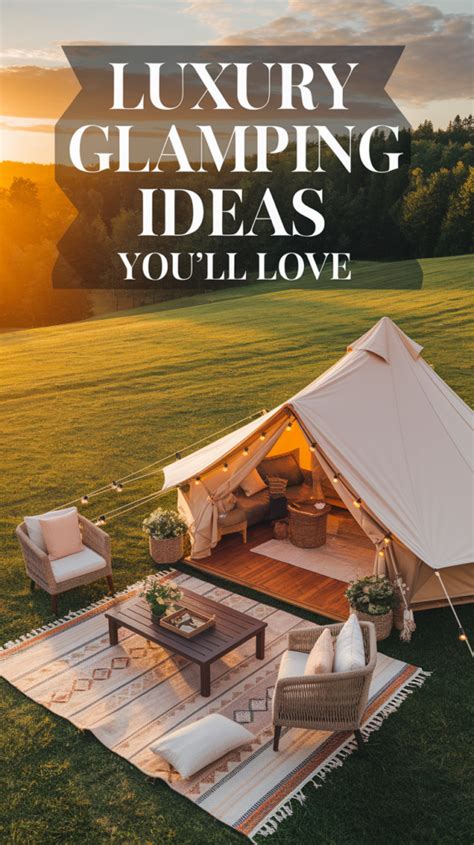
Another popular application for these oversized tents is serving as temporary backyard housing during home renovation projects or extended family visits. The multi-room layout allows one section to function as a bedroom while another acts as a clean storage zone for personal belongings. By integrating battery-powered lighting, area rugs, and comfortable seating, you can create a cozy, habitable annex that feels surprisingly residential.
Logistics, Weather Resilience, and Practical Trade-Offs
Managing a shelter of this magnitude requires careful logistical planning, particularly regarding transportation and assembly. Because of its sturdy steel or fiberglass poles and heavy-duty canvas or polyester walls, a 16-person tent is inherently heavy and bulky when packed. Setup is rarely a solo task; it typically requires two or three adults working together for roughly thirty to forty-five minutes to properly stake, raise, and guy-line the structure against potential wind loads.
Weather resistance is another critical consideration for American climates, which range from humid southern downpours to windy Midwestern plains. Cabin tents feature high profiles that catch more wind than low-profile dome tents, making proper guy-line anchoring mandatory. Look for models featuring welded tub floors, inverted seams, and full-coverage rainflies to ensure interior dryness during sudden summer thunderstorms, keeping your family and gear thoroughly protected.
Frequently Asked Questions
How hard is it to set up a 16-person 3-room family cabin tent?
Setting up a tent of this size requires patience and teamwork. While color-coded poles and pin-and-ring systems simplify the process, the sheer weight of the fabric and height of the frame mean it is a two-to-three-person job that usually takes 30 to 45 minutes.
Can the rooms actually fit standard air mattresses and gear?
Yes, the segmented layout easily accommodates standard queen and twin air mattresses. However, fitting the maximum rated capacity of 16 people requires using sleeping pads instead of bulky airbeds and packing light on gear.
Is a tent this size practical for standard U.S. campsites?
It depends on the campground. Many private and state park campsites in the U.S. feature large pads that accommodate extra-large tents, but you should always check pad dimensions and site clearance guidelines before booking.


