Furnishing a home in the United States often requires balancing aesthetic ambitions with realistic financial constraints. Traditional retail stores frequently feature steep markups, making it challenging to acquire durable, well-designed pieces without exhausting your savings. Enter the world of U.S. furniture outlets, clearance centers, and factory liquidators. These destinations offer a compelling alternative for homeowners and renters alike, bridging the gap between high-end design and accessible pricing.
However, shopping at a furniture outlet differs significantly from browsing a traditional showroom. The warehouse-style layouts, fluctuating inventory, and varying merchandise conditions require a discerning eye and a strategic approach. To secure genuine bargains rather than costly mistakes, buyers must understand the different types of outlets, master the physical inspection of furniture construction, and factor in logistical costs such as transport and delivery.
Understanding the Landscape of U.S. Furniture Outlets
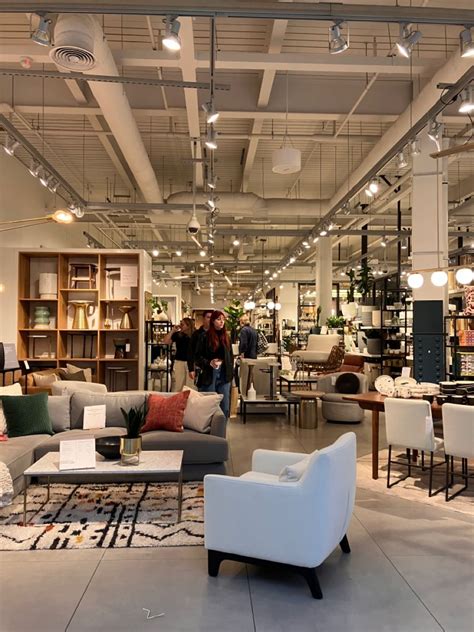
Not all furniture outlets operate under the same business model, and recognizing these distinctions is the first step toward successful shopping. Factory outlets are typically tied directly to specific manufacturing brands, selling excess stock, discontinued lines, or items with minor cosmetic flaws. These locations often house a high concentration of matching pieces from recent collections, making them ideal if you prefer a cohesive look.
Clearance centers, on the other hand, are usually operated by major national retail chains to clear out floor models, customer returns, and seasonal inventory. The merchandise here changes rapidly, meaning that hesitation can result in missing out on a unique find. Liquidators and independent warehouse outlets source inventory from closed businesses, hotel redesigns, or canceled commercial orders. While these venues offer some of the steepest discounts, they also demand the most vigilance regarding item condition and structural integrity.
Evaluating Quality and Construction in a Warehouse Setting

The thrill of finding a luxury sofa or solid wood dining table marked down by fifty percent can easily cloud your judgment. To ensure your purchase stands the test of time, you must conduct a thorough physical assessment of each piece before committing. In a bustling warehouse environment, take your time to test every functional component, from sliding mechanisms to upholstered support structures.
Examine the frame materials carefully, prioritizing kiln-dried hardwood over soft pine or particleboard, which tend to warp or sag over time. For seating, check the joinery—look for corner blocks glued and screwed rather than merely stapled. Test the drawers of dressers and sideboards to ensure they glide smoothly on metal tracks and feature sturdy dovetail joints. If you are shopping for a mattress or upholstered sofa, press down firmly to test the spring resilience and foam density.
Distinguishing Between Overstock, Returns, and Damage
Outlet inventory is rarely uniform, and understanding why a piece has been discounted helps you assess its true value. Overstock items are brand-new, factory-sealed goods produced in excess; these represent the lowest risk purchase because they carry standard manufacturing standards and are rarely flawed. Customer returns may be completely untouched items returned due to sizing issues, or they may have sustained minor handling damage during initial transit.
Scratch-and-dent merchandise requires a careful cost-benefit analysis. A minor scuff on the back panel of a bookshelf that will face a living room wall is an easy trade-off for a deep discount. However, structural damage, deep tears in performance fabric, or compromised electrical mechanisms in reclining furniture require professional repair that might erase your initial savings. Always inspect items under bright warehouse lighting and ask staff for a detailed history of the piece.
Room-by-Room Strategies for Outlet Shopping

Approaching an outlet without a prioritized list is a recipe for impulse buying and spatial mismatch. Start your journey by measuring your rooms, doorways, and stairwells meticulously, keeping a digital copy of these dimensions on your smartphone. Focus your energy on foundational pieces that command the highest retail prices, such as living room sofas, dining tables, and bedroom bedframes, where outlet savings have the most dramatic financial impact.
For the living room, prioritize comfort and frame durability over trendy upholstery colors, as slipcovers or professional reupholstery can easily update a sturdy discounted frame. In the bedroom, invest in solid wood dressers and nightstands rather than veneered alternatives that chip easily. When shopping for dining spaces, inspect table leaves and extension mechanisms to ensure they operate smoothly, as fixing specialized hardware on clearance items can prove surprisingly expensive.
Factoring in Logistics, Delivery, and Return Policies
The final price tag on a clearance tag is rarely the total cost of ownership. Many furniture outlets operate on a final-sale basis, meaning returns, exchanges, and store credits are strictly prohibited once the item leaves the loading dock. You must verify these policies in writing before swiping your credit card, especially when purchasing floor models or items with noted defects.
Transportation is another critical variable. While some outlets offer white-glove delivery services for a flat fee, others require you to arrange your own hauling or pay steep mileage rates. Calculate whether renting a truck and spending a Saturday afternoon moving heavy items outweighs the delivery fee charged by the store. Additionally, remember that outlet items rarely come with standard manufacturer warranties, making preventative inspection and careful handling entirely your responsibility.
Frequently Asked Questions
What is the main difference between a retail furniture store and a furniture outlet?
Retail furniture stores typically sell brand-new collections ordered directly from catalogs with full customizability, standard warranties, and white-glove delivery. Furniture outlets sell overstock, discontinued lines, factory seconds, and floor models at discounted rates, often with limited warranties and final-sale restrictions.
Are all items at furniture outlets damaged or defective?
No. A significant portion of outlet inventory consists of brand-new overstock items or discontinued styles that were simply produced in excess. While some pieces feature minor cosmetic scratches or are customer returns, many are in pristine, factory-sealed condition.
Can I negotiate prices at a furniture outlet?
Negotiation is often more acceptable at independent liquidators and clearance centers than at corporate factory outlets. If an item has notable damage, has been sitting on the sales floor for an extended period, or is part of a floor model clearance, staff may have the authority to offer an additional percentage off.
Do furniture outlets offer delivery and return options?
Delivery policies vary widely. Some outlets partner with local delivery services for a fee, while others expect you to transport the items yourself. Most outlet merchandise is sold strictly as-is and final sale, so you should never assume a return policy applies without checking the receipt terms.