Home decoration often swings between minimalist restraint and maximalist expression, but a compelling narrative-driven approach is gaining traction across U.S. households: the Little and Giant Explorers concept. This design framework pairs the inquisitive, whimsical spirit of micro-adventures with the grand, sophisticated weight of global macro-journeys. Instead of relying on sterile catalog looks, this styling method invites homeowners and renters alike to curate spaces that tell a rich story of curiosity, discovery, and worldly charm.
Bringing this dual aesthetic into your living spaces does not require a complete architectural overhaul or a museum-sized budget. By carefully contrasting delicate, tactile details with bold, oversized anchor pieces, you can cultivate an environment that feels both grounded and deeply imaginative. Whether you live in a compact urban apartment or a sprawling suburban house, understanding how to balance scale, texture, and thematic artifacts is the key to mastering this distinct interior design style.
The Core Philosophy: Balancing Little Wonder with Giant Ambition
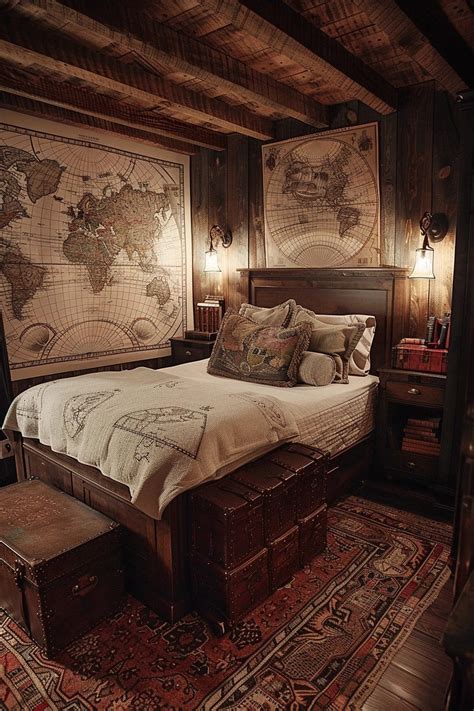
At the heart of the explorer-inspired aesthetic lies a deliberate juxtaposition. The ‘little explorer’ aspect captures the wonder of childhood discovery—think of tucked-away reading nooks, brass magnifying glasses, curious botanical sketches, and handcrafted tabletop curiosities. Meanwhile, the ‘giant explorer’ element introduces architectural scale and worldly weight, featuring oversized cartographic maps, weathered leather trunks, and sweeping statement furniture that anchors a room with undeniable presence.
When these two forces meet in a living room, study, or bedroom, they prevent the space from feeling either too juvenile or overly academic. A towering floor-to-ceiling bookshelf filled with travel memoirs gains approachable charm when paired with a delicate brass telescope on a side table. This dynamic creates a visually engaging room where the eye naturally travels from grand architectural focal points down to intimate, tactile storytelling details.
Incorporating Micro-Adventures in Small Spaces
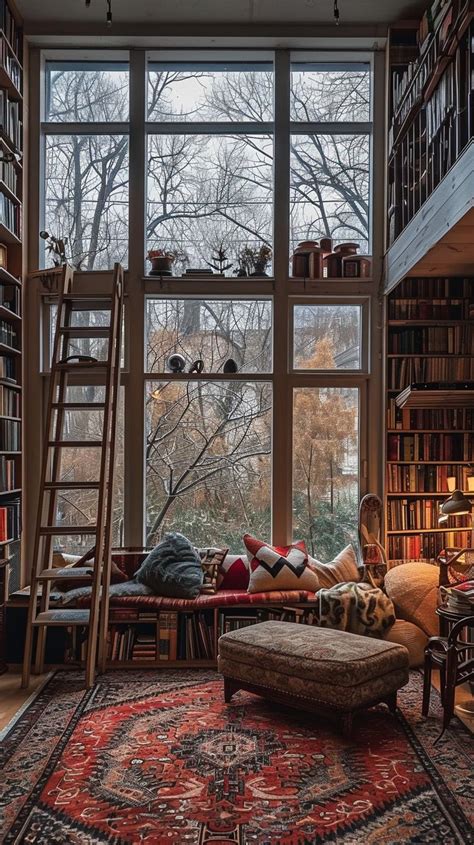
For renters or urban homeowners working with limited square footage, the micro-adventure approach offers maximum stylistic impact without overwhelming the room. Focus on tabletop displays, curated gallery walls featuring vintage botanical prints, or a designated reading corner dressed in rich textiles. These subtle nods to exploration spark curiosity and invite closer inspection without demanding heavy furniture investments or permanent alterations to walls.
Consider styling a modest entryway or apartment console table with a collection of small, meaningful items gathered from travels, such as polished stones, ceramic vessels, or a vintage pocket compass. Paired with a warm, directional wall sconce, this creates an inviting vignette that greets you the moment you walk through the door, proving that an adventurous spirit scales down gracefully to fit any living layout.
Anchoring Rooms with Macro-Journeys and Statement Pieces
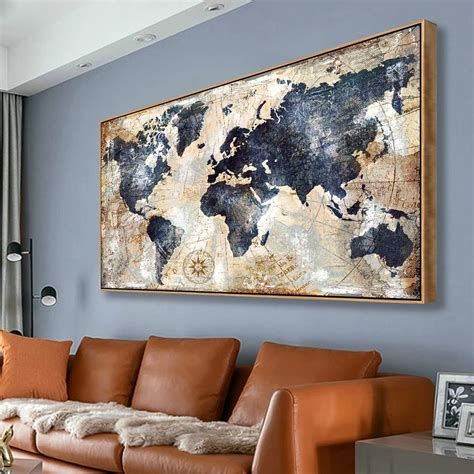
On the opposite end of the spectrum, larger U.S. living spaces provide a wonderful canvas for the ‘giant explorer’ aesthetic. Grand statement pieces serve as the anchor of the room, dictating the overall mood and establishing a sense of history. An oversized, distressed leather Chesterfield sofa or a massive antique world map mounted on a main accent wall instantly communicates a sense of worldly adventure and timeless sophistication.
When utilizing large statement items, it is crucial to maintain spatial breathing room. Allow a massive vintage trunk or a heavy oak partners desk to command attention by keeping surrounding decor intentionally streamlined. This intentional contrast ensures the room feels curated rather than cluttered, giving each large piece the physical and visual space it needs to shine within your home.
Material and Texture Storytelling
Textures play a foundational role in bringing an explorer-themed interior to life. To achieve an authentic, lived-in aesthetic, layer natural, weathered materials that patinate gracefully over time. Incorporate rich woods like walnut or teak, woven jute rugs, heavy canvas drapery, and hammered metals like brass and aged bronze. These tactile elements evoke the rugged environments of historic expeditions while adding warmth and comfort to contemporary American homes.
Textiles also offer a wonderful opportunity to blend the two explorer archetypes. Pair heavy, durable upholstery with soft, inviting throws made from wool or faux shearling. This combination of rugged endurance and cozy comfort ensures your spaces remain welcoming for everyday family living while maintaining a sophisticated, adventure-ready visual narrative.
Frequently Asked Questions
What is the Little and Giant Explorers home decor trend?
It is a design framework that merges whimsical, small-scale curious details (‘little explorers’) with grand, worldly statement pieces and architectural elements (‘giant explorers’) to create a balanced, storytelling interior.
How can I incorporate this theme if I rent my home?
Renters can easily adopt this style by focusing on movable statement items, such as large floor maps, vintage trunks, tabletop globes, curated gallery walls with removable hanging strips, and layered textiles like rustic rugs and cozy throws.
How do I avoid making an explorer-themed room look cluttered?
The key is balancing scale. Pair oversized anchor pieces, like a large bookcase or leather sofa, with sparse, highly intentional accent items. Give your statement pieces breathing room so the space feels curated rather than overwhelming.


