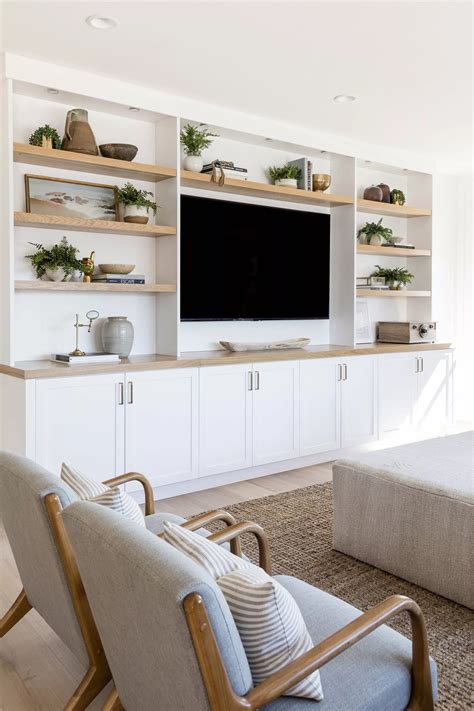
When upgrading an American living room, homeowners and renters frequently face the challenge of balancing striking aesthetics with everyday livability. Modern residential architecture across the United States varies dramatically, ranging from open-concept suburban great rooms to compact urban apartments. Investing in high-end design pieces requires deliberate thought about scale, traffic flow, and long-term durability. Rather than filling a room with matching sets from a single commercial catalog, modern interior design favors a curated approach where heritage pieces anchor the room.
Herman Miller has long stood as a pillar of American design history, known for collaborating with legendary creators like Charles and Ray Eames, George Nelson, and Isamu Noguchi. Bringing these iconic silhouettes into a contemporary U.S. home transforms a standard seating area into an intentional gallery of functional art. However, successfully integrating these investment pieces demands an understanding of how to balance their distinct mid-century or contemporary profiles with modern textiles, lighting, and the practical demands of daily household life.
Anchoring Your Space with Iconic Seating
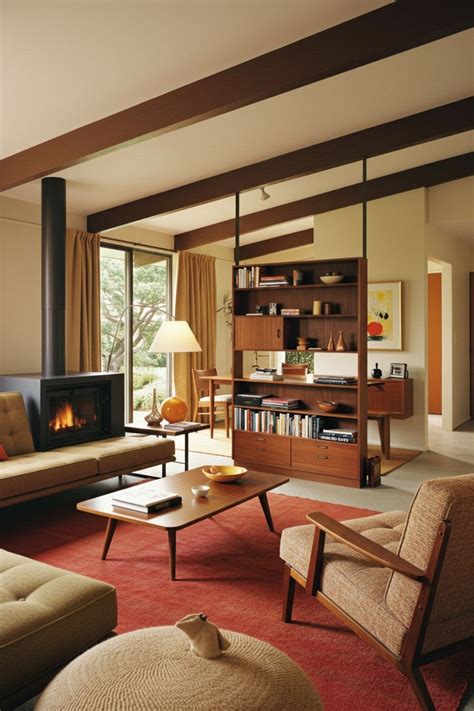
The centerpiece of any well-designed living room is undoubtedly its primary seating. Selecting a legendary lounge chair or sculptural sofa immediately establishes the visual weight of the room, drawing the eye and setting a sophisticated tone. Iconic American design pieces carry a sculptural presence that functions almost like a permanent art installation within your primary gathering space.
When placing statement seating like a classic molded plywood or molded fiberglass lounge chair into a typical U.S. living room, clearance and sightlines matter immensely. These pieces are often visually rich with exposed wood veneers, polished aluminum bases, and rich leather upholstery, meaning they demand breathing room. Avoid pushing them flat against a wall; instead, angle them slightly toward the main conversation zone or anchor them beside a reading lamp to create an inviting vignette that invites regular use.
For families or those who prioritize sprawling comfort, modular sofa systems and upholstered sectionals offer a softer architectural contrast. Pairing a structured lounge chair with a low-profile, clean-lined sofa prevents the living room from feeling heavy or overcrowded. The secret lies in contrasting textures—combining smooth leather, tactile wool upholstery, and warm walnut or teak wood tones to establish a layered, sophisticated environment that looks collected over time rather than purchased all at once.
Spatial Planning for Diverse U.S. Floor Plans
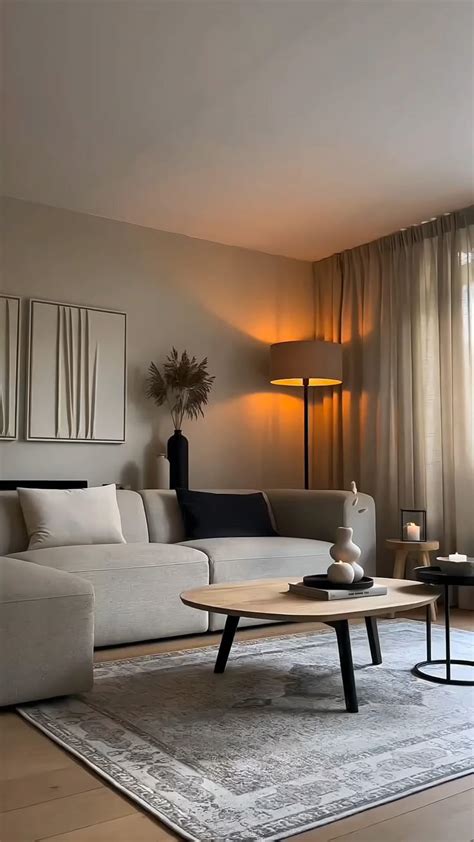
American homes feature wildly different spatial layouts, from historic brownstones with distinct compartmentalized rooms to sprawling open-concept ranch houses and high-rise metropolitan condos. Adapting high-end modern furniture to these spaces requires meticulous spatial planning. Because designer furniture often features precise proportions and clean lines, improper scaling can instantly make a room feel either stark or cluttered.
In open-concept great rooms, furniture acts as the primary tool for zoning different activities without building physical walls. An executive lounge chair paired with an architectural coffee table can successfully delineate the conversational zone from an adjacent dining or media area. Utilizing low-backed seating ensures that sightlines across the entire floor plan remain uninterrupted, maintaining the airy, expansive feel that modern homeowners desire.
Conversely, in more compact urban apartments or historic homes with smaller footprints, selecting versatile, visually light pieces is essential. Look for furniture with slender metal bases or exposed legs that allow light to pass underneath, creating an optical illusion of greater floor space. Avoid heavy, skirted sofas or oversized sideboards that swallow natural light and disrupt the natural circulation paths of the room.
Balancing Mid-Century Heritage with Contemporary Living
One of the most common design pitfalls when incorporating legendary mid-century modern furniture is tipping the interior into a themed time capsule. While Herman Miller pieces carry immense mid-century pedigree, their timeless design language allows them to converse effortlessly with contemporary, industrial, or even minimalist decor styles already present in many modern homes.
To keep your living room feeling fresh and grounded in the present, mix your heritage pieces with contemporary elements such as oversized abstract art, organic ceramics, and textured wool or jute rugs. Natural elements soften the engineered precision of molded plastic, bent plywood, and die-cast aluminum. Layering lighting—combining architectural floor lamps with understated table lighting—highlights the craftsmanship of the furniture while casting a warm, inviting glow across the room.
Durability and ease of maintenance are critical considerations for households with children or pets. Authentic investment pieces are manufactured using high-grade materials designed to withstand decades of regular use, frequently featuring replaceable parts and robust warranties. Choosing aniline leathers that develop a rich patina over time or performance fabrics that resist everyday wear ensures that your living room remains both stunning and fully functional for years of daily life.
Frequently Asked Questions
What makes Herman Miller furniture a worthwhile investment for a U.S. home?
Herman Miller pieces are crafted with historical design integrity, premium materials, and rigorous manufacturing standards. Their enduring aesthetic means they retain visual relevance and value over decades, functioning as long-term investments rather than disposable fast-furniture.
How do I choose the right size lounge chair for a small living room?
In smaller spaces, opt for low-profile seating with slender frames or exposed legs. This allows light to travel underneath the furniture, preserving the visual openness of the room while still offering ergonomic comfort.
Are designer living room pieces practical for families with kids and pets?
Yes, many iconic designs are engineered for high-traffic environments using durable leathers, sturdy hardwoods, and performance textiles that withstand daily family life while developing a beautiful natural patina.