Grey tiles offer a sophisticated foundation that bridges classic architectural elements and contemporary design. When updating U.S. interiors, homeowners frequently turn to versatile neutral palettes that can withstand shifting design trends while providing a resilient surface for high-traffic zones. Choosing the right grey tile involves much more than simply picking a neutral color; it requires careful evaluation of natural light, room dimensions, surface finishes, and how the tile interacts with existing hardware and cabinetry fixtures.
Bringing high-end Australian design aesthetics—such as those popularized by ABI Interiors—into American homes requires thoughtful planning regarding shipping logistics, local climate considerations, and architectural context. Whether you are remodeling a suburban master bathroom or updating an urban loft kitchen, understanding the nuanced interplay between tile undertones and spatial geometry ensures your investment creates a cohesive, enduring environment.
Decoding Grey Tile Undertones and Natural Light
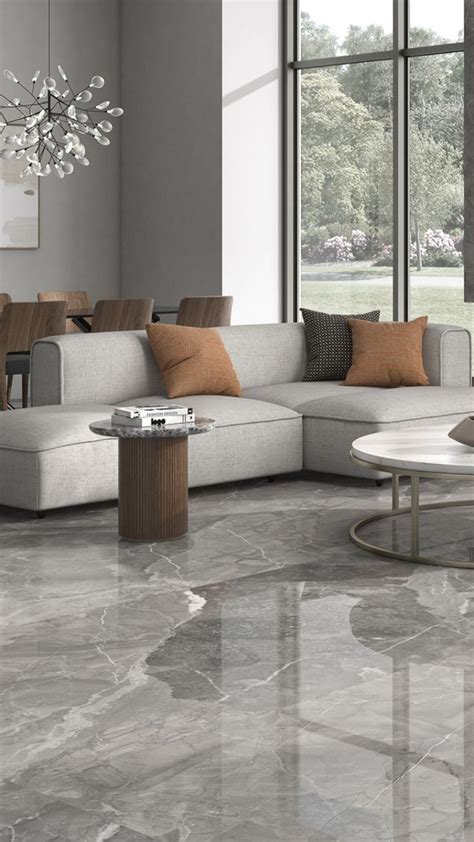
Grey is rarely a true achromatic neutral. Most grey tiles carry subtle undertones of blue, green, beige, or violet that become much more prominent depending on the quality of natural light entering a room. In northern-facing U.S. rooms, daylight tends to feel cooler and bluer, meaning cool-toned grey tiles can sometimes make a space feel stark or uninviting. Conversely, southern-facing rooms receive warm, intense sunlight throughout the day, which beautifully balances out cooler grey shades and prevents them from feeling clinical.
When evaluating tile samples for your project, take time to observe them at different times of day. Artificial lighting also plays a critical role; warm incandescent bulbs will pull out the subtle warmth in greige or brownish-grey tiles, while crisp LED strip lighting emphasizes modern cool greys. Balancing your lighting temperature with your tile undertone prevents your interior spaces from feeling mismatched or visually heavy, ensuring a harmonious backdrop for your furniture and decor.
Room-by-Room Applications in American Homes
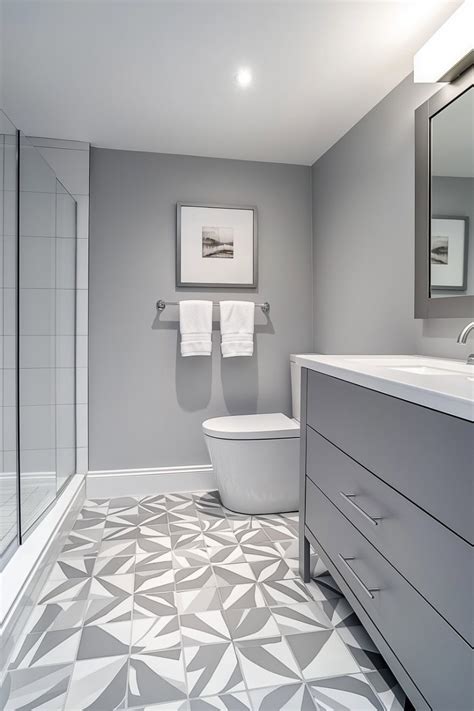
Bathrooms represent one of the most natural environments for incorporating durable grey tiles. Utilizing large-format grey porcelain tiles on bathroom floors creates a seamless, expansive look that minimizes grout lines and simplifies ongoing maintenance. For shower walls or vanity backsplashes, introducing smaller format tiles or textured finishes adds tactile dimension without overwhelming a compact footprint. Paired with minimalist glass enclosures and sleek fixtures, grey bathroom tiles establish a spa-like retreat that feels both clean and grounded.
Kitchens and mudrooms also benefit immensely from the resilience of high-quality tiles. In high-traffic entryways and hardworking family kitchens, medium-to-dark grey floor tiles effectively conceal everyday dust, footprints, and pet hair between cleanings. Using a durable matte finish prevents the floor from becoming slippery when wet, addressing essential safety concerns for busy households. By coordinating these floors with complementary wall treatments or cabinetry, you create a polished threshold that sets a welcoming tone for the rest of your home.
Styling Strategies: Layout Patterns and Hardware Coordination
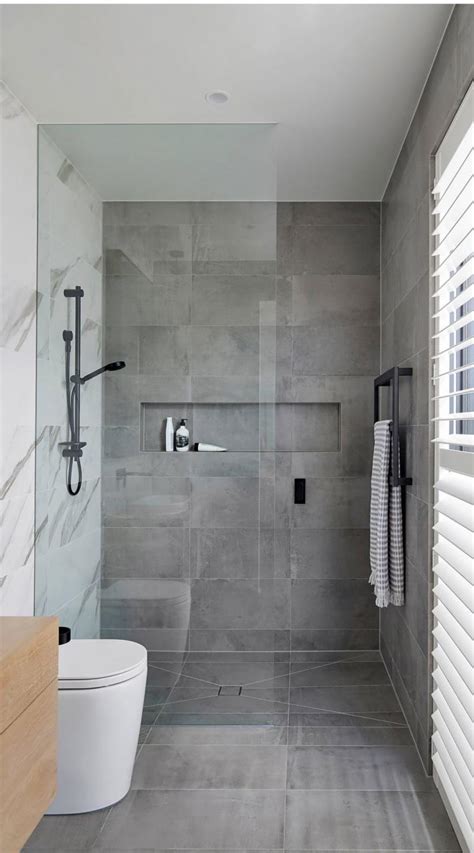
The visual impact of grey tiles depends heavily on the chosen layout pattern. While a traditional stacked grid offers a clean, ultra-modern aesthetic, a classic herringbone pattern injects dynamic movement and subtle sophistication into hallways and shower niches. For a more transitional American interior, a staggered running bond layout creates timeless familiarity while keeping the overall design scheme feeling fresh and intentional.
Hardware coordination ties the entire room together. Grey tiles provide a versatile canvas that works exceptionally well with brushed brass, matte black, or brushed nickel fixtures. Warm metallic finishes like brass create a striking contrast against cool grey backdrops, instantly elevating the perceived luxury of the space. By carefully pairing your foundational tile choices with complementary architectural hardware, you can achieve a bespoke look that enhances your home’s overall aesthetic.
Frequently Asked Questions
How do I choose the right shade of grey tile for my space?
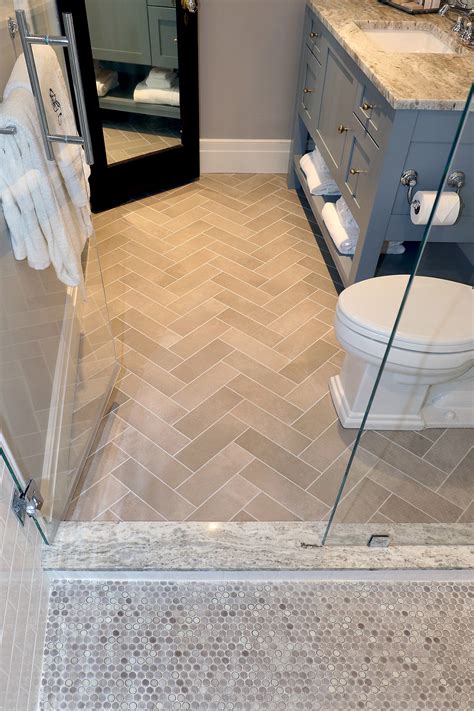
Consider the room’s primary natural light source. Rooms with cool northern light benefit from warmer grey or greige undertones, while sunlit southern rooms can easily carry crisp, cool grey tiles without feeling stark. Always review physical samples in your actual space before making a final purchasing decision.
Are matte or polished grey tiles better for U.S. bathrooms?
Matte finishes offer superior slip resistance, making them ideal for wet areas like bathroom floors and shower pans. Polished tiles reflect light and can make small powder rooms feel larger, but they require more maintenance and care regarding slip safety.
How can I coordinate grey tiles with my home hardware?
Grey is an exceptionally neutral base that pairs well with multiple metal finishes. Brushed brass adds warmth and luxury against cool greys, while matte black hardware creates a sharp, contemporary look suitable for modern and industrial design styles.