Wall shelves are among the most versatile additions you can bring into an American home, instantly bridging the gap between decorative display and efficient storage. Whether you live in a historic brownstone with plaster walls or a modern suburban build framed with standard drywall, incorporating the right shelving strategy transforms empty vertical surfaces into functional assets. Choosing the ideal setup requires evaluating your room layout, your home’s construction type, and your day-to-day lifestyle needs.
Successfully integrating wall shelves involves balancing visual appeal with structural integrity. Renters often need clever workarounds to avoid security deposit deductions, while homeowners frequently look for heavy-duty solutions capable of supporting substantial book collections or kitchen dishware. By understanding your options—from floating wooden slabs to industrial metal brackets—you can curate an organized, stylish living environment that feels both intentional and welcoming.
Renter-Friendly Solutions for Damage-Free Walls
Lease agreements across the United States frequently prohibit drilling large holes or making permanent structural modifications, making traditional shelving intimidating for apartment dwellers. Fortunately, modern home decor markets offer innovative alternatives that require minimal or zero hardware. Adhesive-backed mounting strips, heavy-duty picture-hanging hooks, and leaning ladder shelves provide substantial display space without leaving behind major patches of drywall repair work when move-out day arrives.
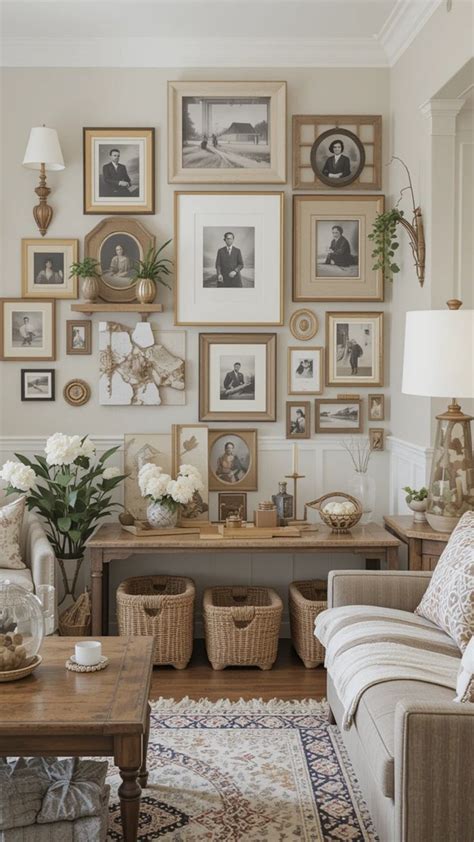
When utilizing damage-free hanging systems, pay strict attention to manufacturer weight limits and wall textures. Textured drywall common in many U.S. apartments can reduce the surface area contact for adhesive strips, so testing a small area first is always a prudent step. Leaning shelves represent another stellar renter option, resting securely against the wall using gravity and friction pads while offering multiple tiers of vertical storage for books, plants, and framed family photographs.
Creating a Living Room Focal Point with Floating Shelves
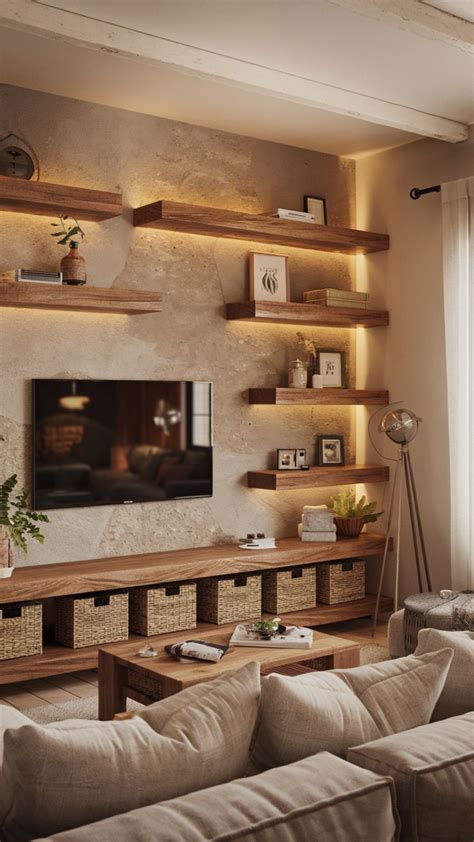
The living room acts as the primary gathering space in most American households, making it the ideal candidate for a striking wall shelf installation. Thick wooden floating shelves arranged in an asymmetrical pattern draw the eye upward, creating a sense of heightened ceiling clearance. Rather than cluttering your floor space with bulky entertainment centers or auxiliary bookcases, wall-mounted ledges keep your favorite decor pieces safely elevated and neatly arranged.
To achieve a balanced look in a shared family room, mix heavy decorative objects like ceramic vases with lightweight items such as trailing pothos plants and woven baskets. Anchoring floating shelves directly into wall studs is essential if you plan on resting heavier items like hardcover books or metallic sculptures on them. Standard drywall anchors work well for lightweight decorative accents, but finding wood studs guarantees the structural stability necessary for busy households with children or pets.
Streamlining the Kitchen and Pantry with Open Shelving
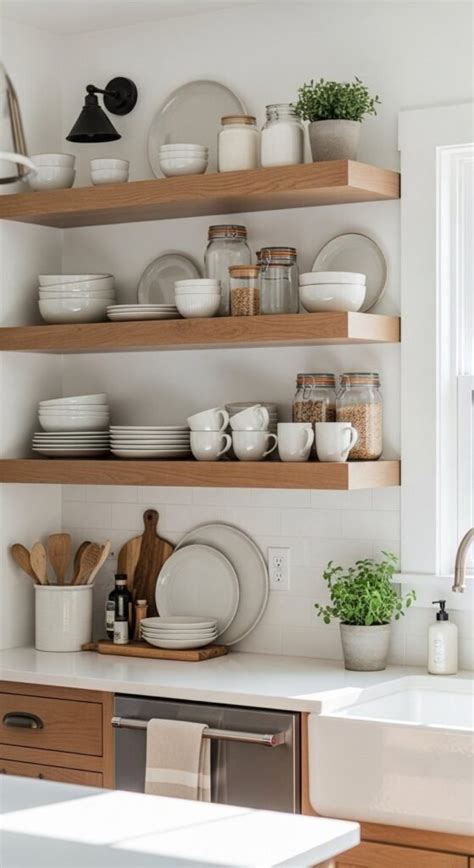
Replacing upper kitchen cabinets with open wall shelving has become a defining trend in contemporary American interior design. This approach opens up smaller kitchen layouts, making food preparation spaces feel brighter and more breathable. Everyday items like coffee mugs, matching dinner plates, and glass storage jars become instantly accessible while doubling as colorful, textured decor elements that personalize your cooking area.
When planning kitchen open shelving, moisture resistance and weight capacity take priority over purely aesthetic concerns. Solid hardwoods like oak or maple, treated with a durable food-safe sealant, withstand the steam and occasional splashes typical of busy kitchens. Ensure your mounting brackets feature heavy gauge steel fastened securely into studs, as stacks of ceramic dinnerware carry significant weight that demands robust architectural support.
Productive and Organized Home Office Wall Ledges
With remote work remaining a permanent fixture for millions of U.S. professionals, keeping home office desks clear of clutter is crucial for maintaining focus and productivity. Installing narrow wall ledges directly above your desk provides dedicated real estate for reference binders, sticky notes, charging stations, and inspirational artwork. This vertical organization frees up valuable desktop space for your computer monitor, keyboard, and daily planner.
Consider installing compartmentalized wooden shadow boxes or pegboard shelving units if you frequently manage loose office supplies, stationery, and crafting materials. Grouping items by frequency of use ensures that high-priority supplies remain within arm’s reach, while decorative objects occupy the upper tiers to keep the workspace feeling balanced and professional during video conference calls.
Mastering the Art of Professional Shelf Styling
Installing the shelves is only the first step; how you arrange objects on them dictates the overall aesthetic impact. Interior designers frequently rely on the triangular styling method, arranging objects of varying heights to guide the viewer’s eye in a natural Z-pattern across the display. Combine vertical elements like tall picture frames with horizontal stacks of books and soft organic shapes like ceramic bowls or cascading greenery.
Avoid the common mistake of overcrowding every available square inch of shelf space. Negative space is essential for letting each decorative piece breathe and stand out. Establish a cohesive color palette that ties in with your room’s existing upholstery, rugs, and window treatments to ensure your newly styled wall shelves feel like an organic extension of your home’s overarching design narrative.
Frequently Asked Questions
What are the best wall shelf types for renters who cannot drill into walls?
Renters can use heavy-duty adhesive mounting strips designed for picture ledges, tension-mounted shelving units, or leaning ladder shelves that rely on gravity rather than wall anchors. Always check weight limits and test adhesive compatibility with your apartment’s specific wall texture.
How can I style wall shelves without making them look cluttered?
To avoid a cluttered look, leave some negative space on each shelf. Use the rule of thirds, group items in odd numbers, and mix different textures and heights—such as combining smooth ceramics, natural wood tones, and trailing plants.
What weight capacity do I need for shelves holding books or heavy kitchenware?
Shelves holding heavy books or kitchen dishware generally need to support at least 30 to 50 pounds or more. This requires sturdy solid-wood or metal shelving anchored directly into wall studs using heavy-duty brackets rather than basic drywall anchors.
How do I choose the right shelf material for my home’s interior style?
Natural wood adds warmth and suits farmhouse, traditional, or rustic interiors. Sleek metal or glass shelves complement modern, industrial, or minimalist spaces. Consider your existing furniture finishes and lighting when selecting your shelf materials.