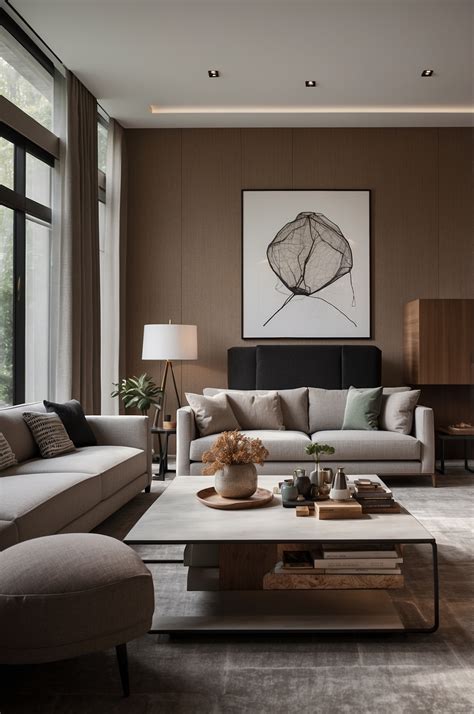
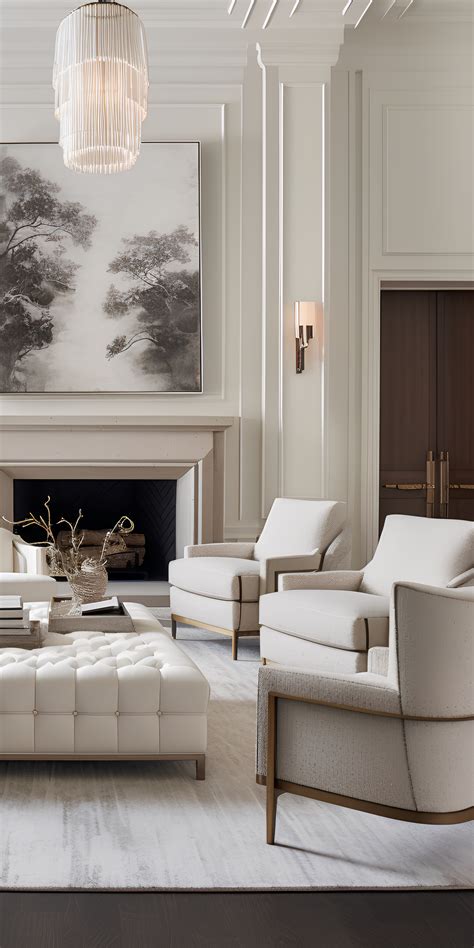
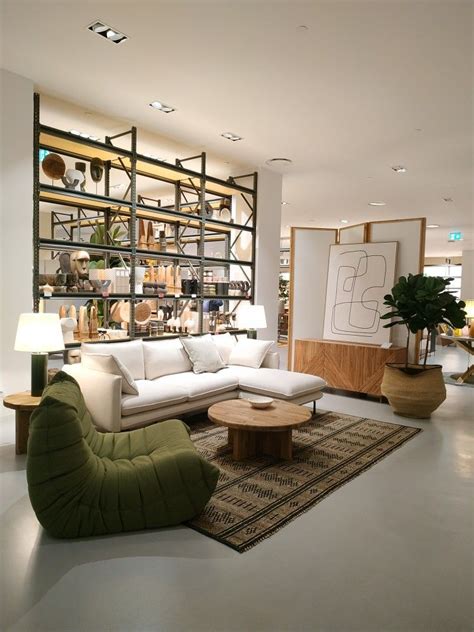
Designing a living room that feels both curated and genuinely livable requires more than simply copying current trends from design magazines. In typical American homes and apartments, the living room serves as a multi-purpose hub. It must comfortably host movie nights, accommodate remote work setups, handle energetic pets, and still maintain an inviting aesthetic when guests arrive. Balancing these competing demands begins with a thoughtful assessment of your space, your lifestyle, and the architectural quirks of your floor plan.
Whether you are outfitting a sprawling suburban ranch house with vaulted ceilings or refreshing a compact urban apartment, the foundational rules of interior design remain remarkably consistent. Achieving a cohesive result is not about filling every square foot with expensive items; it is about intentional choices regarding scale, flow, and texture. By breaking the design process down into manageable phases, you can transform your living area into a harmonious space that works effortlessly for your daily routine.
Define the Primary Function and Layout
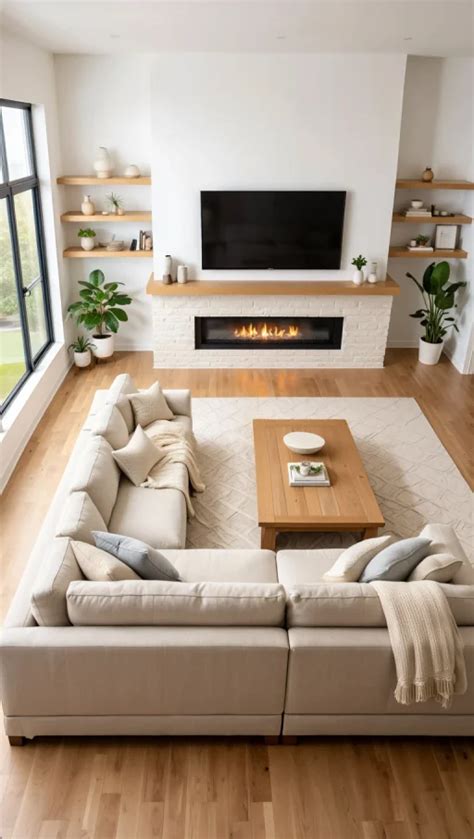
Before purchasing a single piece of furniture or browsing paint swatches, you must determine how the room will actually be used. In many modern U.S. floor plans, the living room flows directly into the kitchen and dining area, creating an open-concept layout that requires careful spatial definition. Ask yourself whether the room needs to incorporate a dedicated workspace, a children’s play corner, or a formal conversational grouping. Identifying these core requirements prevents costly purchasing mistakes and ensures your layout supports your real-world habits.
Once the primary functions are clear, focus on establishing a natural traffic flow. A common mistake in American living rooms is pushing all the furniture directly against the perimeter walls, which can paradoxically make a large room feel cavernous and disconnected. Instead, pull your main seating pieces slightly inward to create a cozy, intimate conversation zone. Ensure there is at least a clear three-foot walking path around the perimeter of the furniture arrangement so people can move easily through the room without bumping into side tables or entertainment centers.
Balance Scale, Proportion, and Furniture Selection
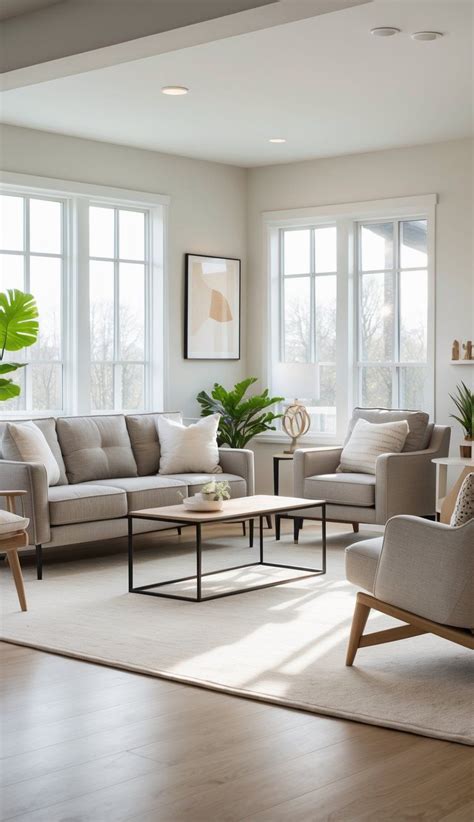
Choosing the right furniture pieces is heavily dependent on understanding the scale and proportion of your room. A massive sectional sofa might look appealing in a large furniture showroom, but it can completely overwhelm a standard suburban living room, leaving little room for auxiliary seating or floor lamps. Conversely, a collection of undersized apartment-sized furniture can look lost and unanchored in a room with high ceilings. Always measure your space carefully and use painter’s tape on the floor to outline potential furniture footprints before committing to a purchase.
When planning your seating arrangement, aim for a balanced mix of heavy statement pieces and visually lighter items. Pair a substantial sofa with a pair of open-framed armchairs or a glass-topped coffee table to maintain sightlines across the room. This mixture prevents the space from feeling visually heavy or cluttered. Furthermore, prioritize multi-functional furniture, such as storage ottomans or nesting tables, which offer incredible flexibility for growing families or apartment dwellers who need to maximize every square inch of available floor space.
Develop a Layered Lighting Strategy
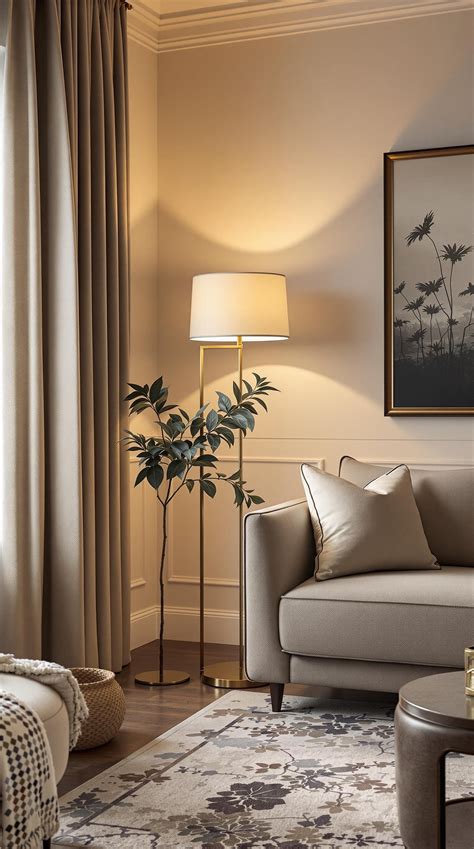
Overhead lighting alone is rarely sufficient for creating a warm, inviting living room atmosphere. A well-designed U.S. home incorporates three distinct layers of lighting: ambient, task, and accent. Ambient lighting provides overall illumination through ceiling fixtures or recessed cans, while task lighting targets specific activities, such as a reading lamp positioned next to an armchair or a floor lamp angled over a desk corner. Accent lighting adds depth and drama by highlighting architectural features, artwork, or bookshelves.
To achieve a sophisticated look, avoid relying on a single light source controlled by a bright wall switch. Instead, incorporate table lamps at varying heights throughout the room to distribute a warm glow at eye level. Installing dimmer switches is one of the most cost-effective upgrades you can make, allowing you to instantly transition the room from a bright, energizing space during morning routines to a soft, cozy environment for evening relaxation.
Incorporate Textures, Rugs, and Window Treatments
Color is important, but texture is what truly brings a living room to life and keeps it from feeling flat or sterile. By mixing different materials—such as a woven wool rug, a smooth leather armchair, linen drapery panels, and a reclaimed wood coffee table—you create tactile richness and visual depth. This principle is especially crucial in neutral rooms, where varying textures provide the necessary contrast to keep the overall aesthetic engaging and dynamic.
Rugs play a pivotal role in anchoring your furniture layout and defining the conversation area. A frequent layout error is purchasing an area rug that is too small for the room. As a general rule of thumb, either all furniture legs should rest comfortably on the rug, or at least the front legs of your major seating pieces should sit on it. Similarly, hang your window treatments high and wide—mounting curtain rods several inches above the window frame and extending outward—to create the illusion of taller ceilings and maximize natural light penetration.
Frequently Asked Questions
How do I start planning my living room design?
Start by evaluating your family’s daily habits, taking precise room measurements, and identifying any architectural constraints like doors, windows, and radiators. Once you know how the space needs to function, establish a budget and create a floor plan layout before buying any furniture.
What is the best way to arrange furniture in a typical American living room?
Float your main seating group slightly away from the walls to create an intimate conversation area. Ensure there are clear walking paths of at least three feet around the perimeter, and anchor the arrangement with a suitably sized area rug that fits under the front legs of your seating.
How can I make a small living room look bigger?
To maximize a compact space, choose furniture with exposed legs to let light pass underneath, incorporate multi-functional pieces like storage ottomans, hang mirrors to reflect light, and mount window treatments high near the ceiling to draw the eye upward.
What are the key lighting layers every living room needs?
A successful lighting plan combines ambient lighting for general illumination, task lighting for specific activities like reading, and accent lighting to highlight artwork or architectural details. Using table lamps at eye level and installing dimmer switches helps create a warm atmosphere.