Traditional camping often calls to mind cramped sleeping bags, wrestling with stubborn poles, and a general sacrifice of everyday comforts in exchange for fresh air and scenic views. However, the modern outdoor movement has evolved far beyond basic survivalism. Today, outdoor enthusiasts are discovering that they do not have to leave domestic convenience behind when heading into nature. By blending high-end interior styling with rugged outdoor architecture, glamping has turned weekend getaways into restorative retreats.
At the center of this outdoor evolution is the giant 3-room tent. Far removed from the domed tents of decades past, these expansive canvas and heavy-duty synthetic structures offer architectural zoning, standing room throughout, and enough square footage to rival a small apartment. Whether you are planning an extended family reunion or simply want a weekend escape with room to breathe, understanding how to utilize a multi-room tent can completely change your perception of what camping can be.
The Anatomy of Modern Glamping Luxury
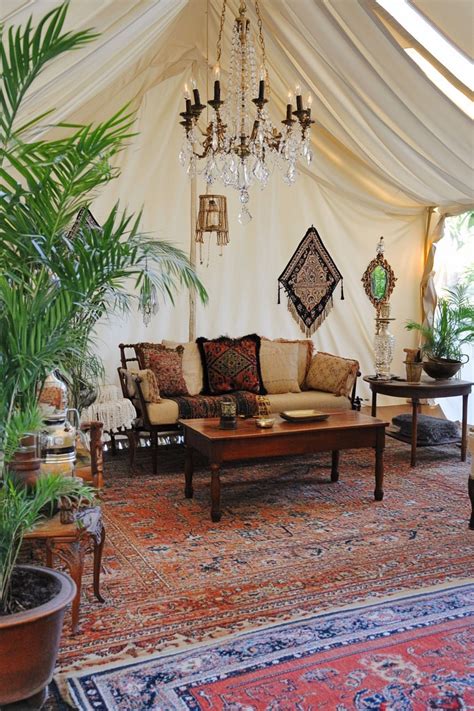
True glamping is not merely about pitching a bigger tent; it is about recreating the psychological ease and physical comfort of home while immersed in natural surroundings. When you step into a luxury outdoor setup, the immediate sensation is one of openness rather than claustrophobia. High ceilings allow adults to walk upright without hunching, while segmented living areas ensure that personal space is preserved even when traveling with a full group or family.
Achieving this level of comfort relies heavily on the structural layout of a multi-room tent. Unlike single-space shelters where sleeping pads, luggage, and muddy boots occupy the same footprint, a three-room design creates natural boundaries. You can designate a central communal lounge for dining and socializing, flanked by two private sleeping quarters on either side. This separation mimics the functional floor plan of a traditional home, significantly reducing the friction that often arises when multiple people share a confined space for days at a time.
Why a 3-Room Tent Changes Group Dynamics
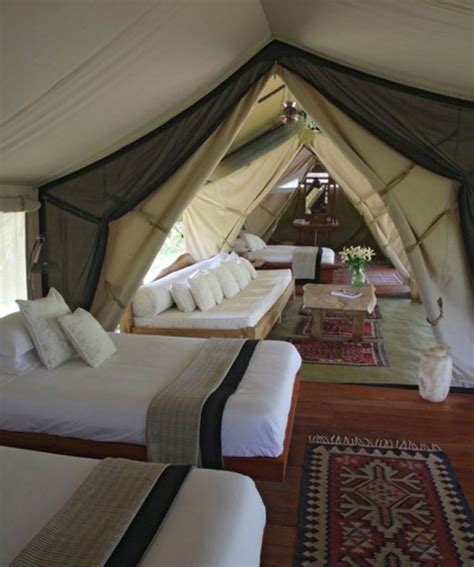
Traveling with children, teenagers, or multiple adult couples presents unique logistical challenges in traditional camping environments. In a standard tent, everyone’s gear gets jumbled together, privacy is virtually nonexistent, and early risers inevitably disturb those trying to sleep. A giant 3-room tent directly addresses these pain points by offering genuine acoustic and visual separation, allowing different schedules and routines to coexist peacefully.
Parents can enjoy a quiet evening in one private wing after putting young children to sleep in the opposite room, using the central hall as a communal buffer zone. Furthermore, having dedicated storage zones prevents gear clutter from taking over sleeping areas. By keeping outerwear, coolers, and electronics neatly organized in designated vestibules or side rooms, the entire campsite feels cleaner, calmer, and infinitely more manageable throughout your stay.
Key Structural and Weatherproofing Considerations
Investing in a giant multi-room tent requires careful evaluation of materials, frame stability, and weather resistance. Because these structures have a large surface area, they act as sails in high winds, making robust framing an absolute necessity. Look for aviation-grade aluminum poles or heavy-duty steel frames that can withstand unexpected gusts without bending or compromising the tent’s structural integrity.
Fabric choice is another critical factor determining longevity and comfort. High-end glamping tents often utilize breathable cotton canvas, which offers superior insulation against both summer heat and autumn chill while eliminating the condensation issues common in cheap synthetic fabrics. If you choose a technical polyester or nylon blend, ensure it features a high hydrostatic head rating and fully taped seams to guarantee waterproof performance during heavy downpours.
Styling Your Glamping Interior for Maximum Comfort
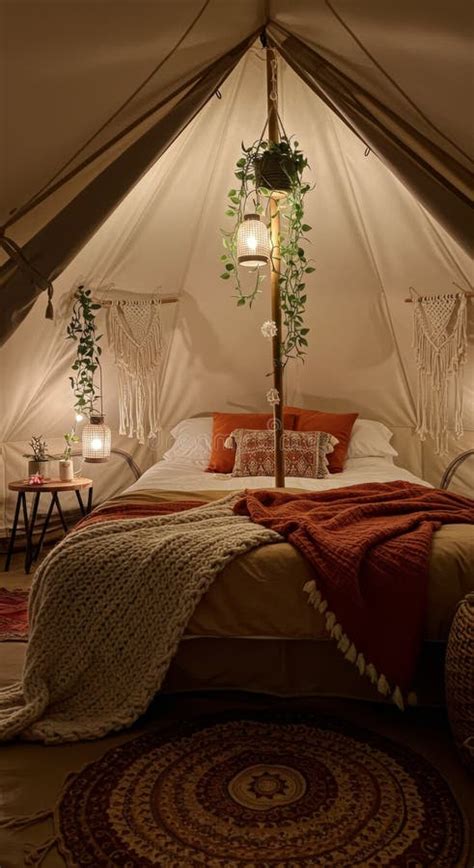
Once your shelter is securely anchored, the real fun begins: transforming raw floor space into an inviting oasis. Start from the ground up by laying down outdoor rugs or interlocking foam tiles over the tent floor. Hard ground can quickly become uncomfortable, and layering textiles adds warmth while visually defining different functional zones within the tent.
Lighting plays a transformative role in establishing an upscale ambiance. Swap harsh battery-powered lanterns for warm-toned string lights, rechargeable bedside lamps, and floor-standing lanterns that cast a soft, welcoming glow. For furniture, opt for collapsible cots raised off the floor, memory foam mattress pads, and low-profile wooden tables. Accessorize with plush throw blankets, linen pillows, and decorative baskets to anchor your aesthetic and complete the luxury experience.
Balancing Luxury with Logistics: Trade-Offs to Keep in Mind
While the rewards of a giant 3-room tent are substantial, it is important to approach your purchase with a realistic understanding of the logistical trade-offs. These expansive shelters are significantly heavier and bulkier than standard backpacking or weekend tents, often requiring dedicated space in your vehicle’s trunk or roof rack.
Additionally, setup time is inherently longer when dealing with multiple rooms, complex framing systems, and extensive accessories. It is always wise to practice assembling your tent in the backyard before embarking on a trip. By mastering the setup process at home, you ensure a smooth, stress-free arrival at your destination, allowing you to focus on relaxing rather than reading instruction manuals in the fading daylight.
Frequently Asked Questions
How hard is it to set up a giant 3-room tent?
Setting up a multi-room tent takes more time and effort than a standard two-person tent, typically requiring 30 to 60 minutes and at least two adults. Because of the large frame and multiple rooms, practicing the assembly at home before your trip is highly recommended.
What makes a tent suitable for glamping rather than standard camping?
Glamping tents prioritize interior height, breathable fabrics like heavy cotton canvas, structural zoning with separate rooms, and aesthetic flexibility. They are designed to accommodate real furniture, rugs, and lighting rather than just sleeping bags on the ground.
How do you stay warm and comfortable in a large multi-room tent?
Staying warm involves insulating the floor with outdoor rugs, using raised cots or air mattresses with proper thermal ratings, and choosing canvas fabrics that trap heat effectively. Some luxury setups also incorporate tent-safe climate control solutions.
What accessories are needed to create a luxury glamping setup?
Essential accessories include layered textiles like throws and pillows, warm ambient lighting such as string lights and lanterns, raised bedding, storage bins to keep gear organized, and outdoor-friendly lounge furniture.