When homeowners and renters look to expand their living space outdoors, traditional pole tents often present frustrating assembly hurdles. Metal poles, confusing instruction manuals, and hours of threading can turn a relaxing weekend project into an exhausting chore. Enter the modern era of air-beam architecture: the 3-room inflatable tent. Designed for expansive comfort, these massive structures replace rigid aluminum or fiberglass poles with heavy-duty, high-pressure inflatable tubes. They offer a brilliant solution for backyard glamping, temporary guest quarters during family reunions, or a shady poolside lounge.
For American households seeking a seamless blend of outdoor adventure and indoor luxury, investing in a large multi-room inflatable shelter opens up exciting possibilities. Rather than cramping into a standard dome tent, you gain distinct living, sleeping, and storage zones. Evaluating these structures requires looking beyond simple aesthetics to understand air retention, fabric durability, and how well they stand up to diverse regional weather patterns across the United States.
The Evolution of Air-Beam Technology in Modern Tents
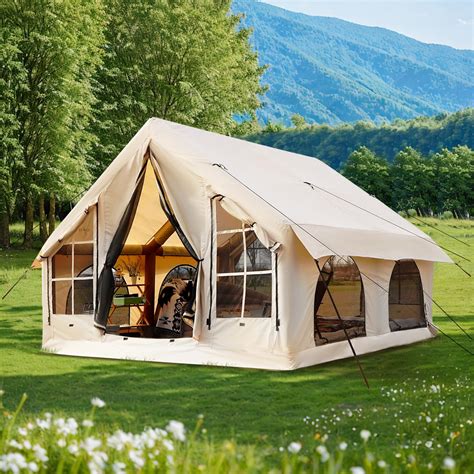
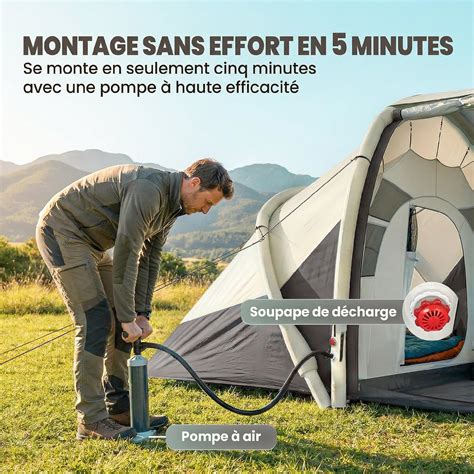
Air-beam technology has revolutionized how we think about temporary architecture by replacing metal skeletons with interconnected or independent pneumatic tubes. Instead of wrestling with tangled metal rods in the wind, users connect a high-volume manual or electric pump to designated inflation valves. As air fills the chambers, the structure self-supports, lifting the heavy polyester or poly-cotton canvas canopy into place within minutes. This shift saves considerable time and eliminates the risk of bent poles or lost hardware during assembly.
Durability is a common concern among buyers who wonder if an air tube can genuinely withstand heavy winds or accidental punctures. Manufacturers construct these beams using multi-layer thermoplastic polyurethane (TPU) encased in robust sleeves made of high-denier oxford fabric or canvas. If one beam experiences a slow leak or pressure drop due to extreme temperature shifts, the structural integrity rarely collapses entirely. Most premium models feature isolated air chambers, ensuring that a single compromised tube does not ruin the entire shelter.
Key Architectural Features of a True 3-Room Tent
A genuine 3-room inflatable tent provides structured privacy and versatile layout options, making it feel more like a portable cabin than a basic sleeping bag enclosure. Typically, the central zone serves as a common living area, high enough for adults to stand fully upright without ducking. Flanked on either side are private sleeping compartments that can accommodate queen-sized air mattresses, storage bins, or even a compact workspace. This zonal separation is ideal for families with children, groups of friends, or hosting visiting relatives.
Ventilation and climate management are critical design elements for large multi-room structures. Because warm air and condensation naturally accumulate inside sealed tents, look for models featuring mesh-backed windows, low-level intake vents, and adjustable roof cowls. In humid southern climates or chilly northern evenings, proper cross-ventilation prevents the interior from becoming stuffy or damp. Furthermore, integrated weather skirts and sealed bathtub floors keep ground moisture at bay, ensuring your furniture and bedding stay dry.
Assessing Yard Requirements and Setup Practicalities for U.S. Properties

Before purchasing a spacious 3-room inflatable tent, homeowners must evaluate their property layout, lawn clearance, and municipal guidelines if renting. These giant structures often span footprints exceeding 15 by 10 feet, requiring a flat, debris-free clearing clear of low-hanging tree branches or sharp landscaping rocks. Utilizing a heavy-duty footprint tarp underneath is mandatory to protect the sewn-in floor from punctures caused by twigs or rough turf.
Inflation time varies depending on the pump type and tent scale. While manual hand pumps provide a solid workout and take about 10 to 15 minutes of steady effort, plug-in 12V electric pumps or battery-operated compressors can inflate a massive 3-room tent in roughly 5 to 8 minutes. Takedown is equally straightforward: opening the dump valves lets the air rush out instantly, allowing you to fold the fabric compactly and pack it back into its storage duffel without wrestling stubborn poles.
Creative Home Applications Beyond Traditional Camping
While engineered for outdoor recreation, 3-room inflatable tents function exceptionally well as versatile home extensions. Homeowners frequently pitch these structures on their back lawns to serve as luxury glamping suites for weekend staycations, complete with fairy lights, plush rugs, and comfortable cots. They provide an immersive outdoor experience while keeping modern conveniences nearby.
Another popular application is utilizing the tent as overflow guest housing during major holidays or summer gatherings. When family members visit and home bedrooms reach full capacity, setting up a weather-resistant inflatable cabin offers a private retreat for teenagers or adult couples. It creates a novel, hotel-like experience in the backyard, eliminating the need to rent off-site accommodations or crowd living room sofas.
Frequently Asked Questions
How stable are 3-room inflatable tents in wind and rain?
Modern inflatable tents feature flexible air beams that bend slightly under heavy gusts and spring back into place, often outperforming rigid metal poles that can snap under extreme pressure. When properly secured with heavy-duty stakes and guy lines, quality air-beam tents handle moderate to high winds efficiently. For heavy rain, look for models with taped seams, high hydrostatic head waterproof ratings, and full-coverage rainflies.
How long does it take to inflate a large 3-room tent?
Inflation generally takes between 5 and 15 minutes, depending on whether you use a high-speed electric pump or a manual double-action hand pump. Electric pumps designed for inflatable shelters make the process nearly effortless, automatically shutting off at optimal pressure levels to prevent over-inflation.
Are inflatable tents durable enough for regular home use?
Yes, premium consumer-grade inflatable tents utilize thick, puncture-resistant thermoplastic polyurethane (TPU) bladders protected by robust outer sleeves. With proper clearing of the ground before pitching and basic maintenance—such as keeping them clean and dry before storage—these tents endure years of regular seasonal use.
What accessories are needed to pitch a 3-room inflatable tent?
Essential accessories include a dedicated high-pressure pump with a pressure gauge, heavy-duty ground pegs or corkscrew stakes for firm soil anchoring, and a custom-fitted footprint tarp to protect the tent floor from abrasions and moisture.
How much space do you need in your yard to pitch a 3-room inflatable tent?
Most 3-room inflatable tents require a clear flat surface area of at least 15 by 12 feet, plus an extra 2 to 3 feet of clearance around the perimeter for guy lines and staking tension. Always measure your usable lawn space before purchasing.