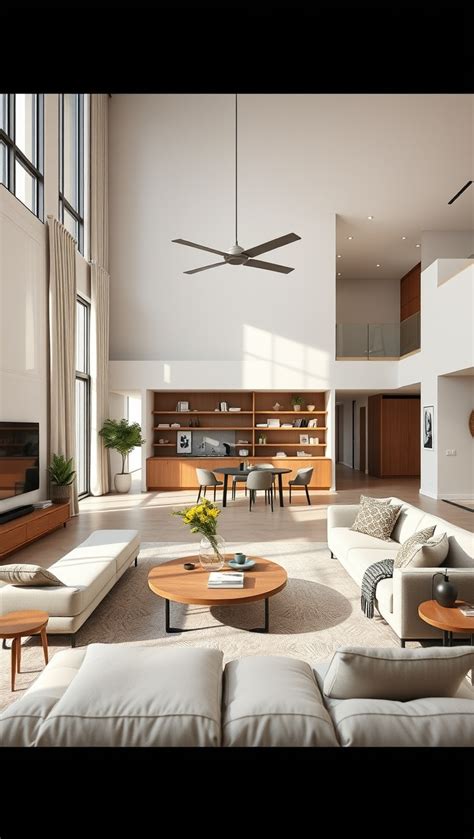
For years, the word ‘recliner’ conjured images of oversized, overstuffed armchairs that dominated a room solely for the sake of ergonomic relief. Today, the furniture market has evolved dramatically, shifting toward sleek silhouettes and refined tailoring that hide complex mechanical engineering inside sophisticated frames. Modern reclining sectionals offer an ingenious middle ground, allowing homeowners to host guests in an aesthetically polished setting while retaining the ability to stretch out completely at the push of a hidden button.
Integrating a large seating element like a reclining sectional into your home requires careful thought regarding scale, circulation paths, and visual weight. By treating the sofa as both a functional relaxation hub and a core design anchor, you can curate a living space that feels open, intentional, and deeply comfortable without falling into the trap of a dated media room aesthetic.
The Evolution from Bulky to Sleek Profiles
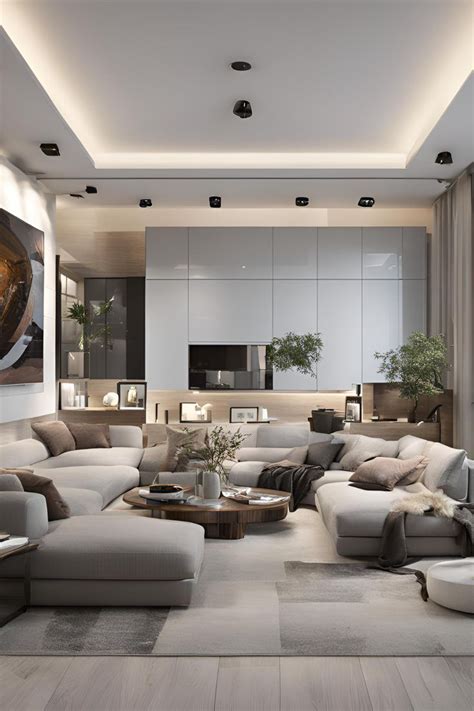
Traditional reclining furniture often suffered from design compromises, relying on thick pillow-top arms and massive padded backs that visually overwhelmed standard living rooms. Contemporary manufacturers have redesigned these internal mechanisms to operate within much tighter tolerances, utilizing wall-hugger designs and low-profile frames that maintain a clean silhouette even when fully extended.
This structural transformation means you no longer have to sacrifice contemporary design principles to achieve ergonomic support. Slimmer track arms, tapered wooden or metal legs, and tailored back cushions create crisp geometric lines that blend effortlessly into minimalist, transitional, and even mid-century modern interior schemes.
Key Mechanical and Functional Features to Evaluate
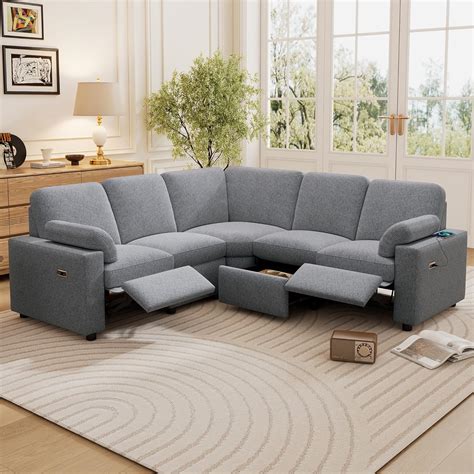
When investing in a multi-piece reclining sectional, evaluating the internal hardware is just as important as choosing the right upholstery color. High-end models typically feature whisper-quiet power recline motors that allow for infinite stopping positions, ensuring you can find the exact lumbar and neck angle that suits your posture.
Beyond basic reclining functions, look for integrated USB charging ports cleverly concealed inside console compartments or armrests, power-adjustable headrests, and modular configurations that let you customize the chaise or arm placement to fit your specific room geometry. Evaluating the frame construction—such as kiln-dried hardwood and steel-reinforced joints—ensures the furniture will withstand daily use over many years.
Selecting Upholstery Materials for Your Lifestyle
The fabric or leather you choose will define both the tactile experience and the visual longevity of your sectional. Performance fabrics have revolutionized upholstered furniture, offering tightly woven textures that resist stains, repel moisture, and withstand claws from household pets without looking clinical or stiff.
Top-grain and semi-aniline leathers bring a rich, timeless patina to a living room, aging gracefully with proper conditioning. However, households with active children or pets might prefer heavily textured performance chenilles or micro-velvets, which diffuse light softly and hide minor surface wear while offering a plush, inviting hand-feel.
Strategic Space Planning and Room Layouts
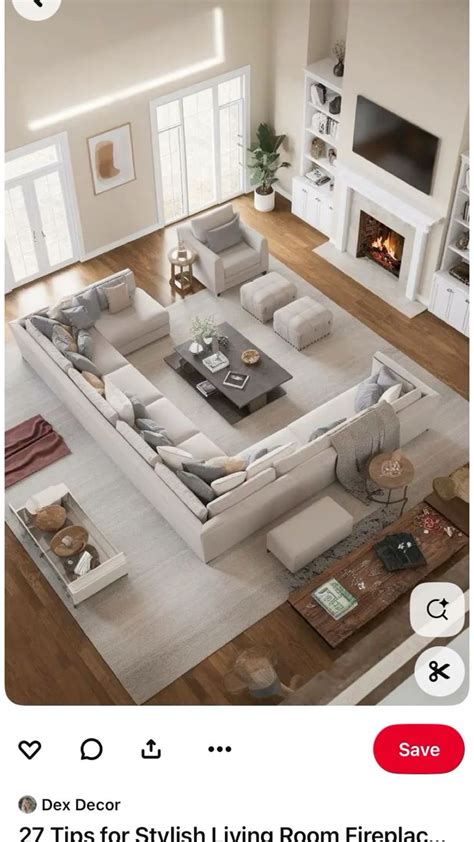
Because sectionals command significant square footage, strategic layout planning is vital to prevent the room from feeling cramped or blocked off. Maintain at least thirty inches of clear walking space around the primary traffic corridors, and avoid floating a massive sectional directly in the center of a compact room unless you have adequate perimeter clearance.
Wall-hugger reclining mechanisms are particularly beneficial for tighter spaces because they require only a few inches of clearance behind the back cushion to extend fully. Positioning the sectional to frame a focal point—such as a fireplace, a media wall, or a large picture window—helps anchor the room’s overall visual flow.
Styling andAccessorizing Around Your Sectional
Because a reclining sectional introduces substantial upholstered mass to a room, you need to balance its visual weight with lighter, contrasting decor elements. Pair the sofa with an open-leg metal or glass coffee table to maintain visual transparency across the floor plane, preventing the center of the room from feeling heavy.
Layering textures through accessories like woven wool area rugs, lightweight linen or patterned throw pillows, and warm ambient lighting softens the structured lines of the furniture. Incorporating tall floor lamps or sleek wall sconces nearby draws the eye upward, celebrating the vertical height of the room and ensuring the large seating arrangement feels integrated rather than dominant.
Frequently Asked Questions
How do I choose a reclining sectional that looks modern instead of dated?
Look for clean lines, track arms, low-profile backs, and tapered legs. Avoid overly puffy pillow-top arms and exaggerated waterfall backs, which tend to give furniture a bulky, traditional look.
What space planning is required for a reclining sectional?
Measure your room carefully, keeping in mind that reclining sectionals require extra clearance either behind the backrest or in front for footrests, depending on the specific mechanism type. Always ensure clear walking paths around all sides.
Are power reclining sectionals reliable for daily use?
Yes, modern power mechanisms are engineered for thousands of cycles and typically come with robust warranties on motors and steel frames. Opt for reputable manufacturers that clearly outline their warranty coverage for internal electrical components.
How do I match a large reclining sectional with existing living room decor?
Balance the heavy visual footprint of the sofa by using lighter coffee tables, reflective surfaces, and contrasting textiles like patterned throw pillows and textured area rugs to create a cohesive, layered look.