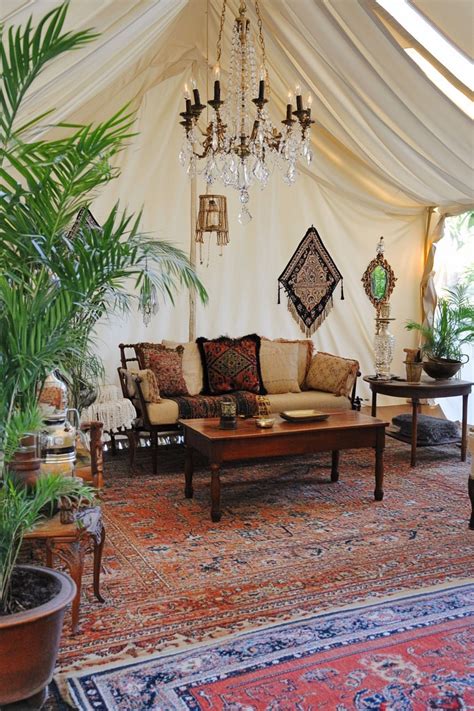
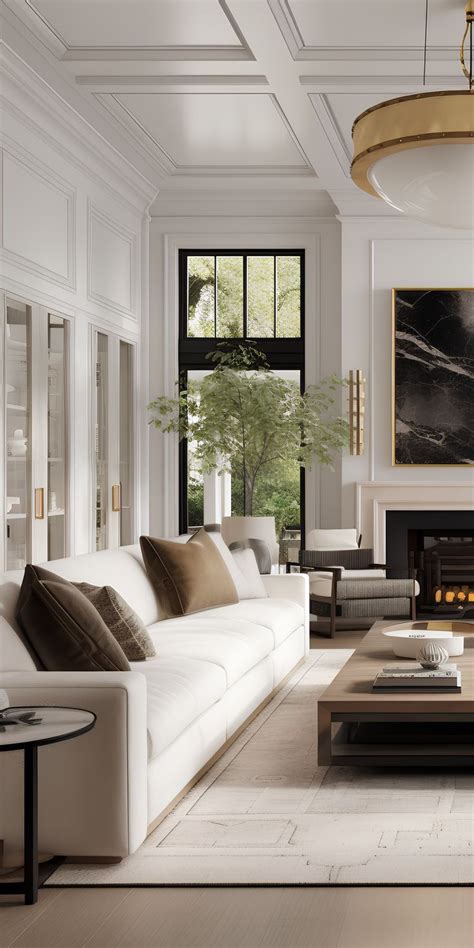
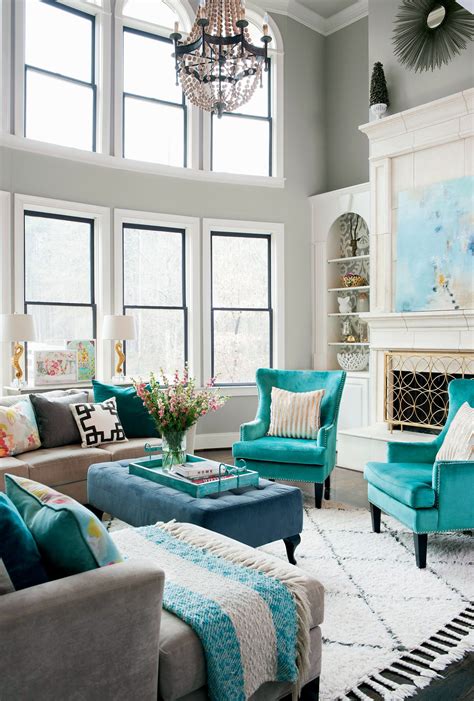
When homeowners scroll through galleries featuring dozens of dramatic living room transformations, the immediate reaction is often pure visual delight. Yet, beneath the polished after-photos lies a complex narrative of spatial problem-solving, architectural constraints, and deliberate budgeting choices. Across American housing styles—from mid-century ranches to cramped urban apartments—successful makeovers rely less on endless spending and more on addressing foundational flaws. Evaluating a tired space requires looking past dated paint colors and worn carpets to identify structural potential, awkward traffic flows, and underutilized light sources.
Understanding forty distinct makeovers requires grouping them by the specific challenges they solved rather than viewing them as a random assortment of styles. Whether the goal is opening a dark, segmented layout or maximizing a tight suburban footprint, every successful project balances aesthetic desires with everyday livability. By examining the mechanics of these transformations, homeowners can extract repeatable design principles, helping them approach their own renovation or restyling project with confidence and clarity.
Overcoming Awkward Layouts and Cramped Footprints
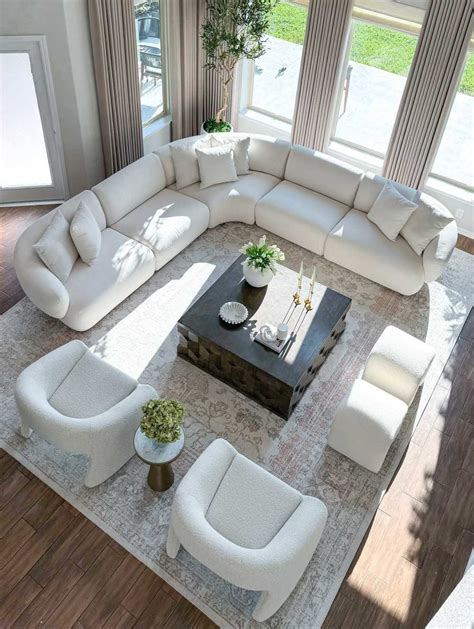
Many American living rooms suffer from architectural quirks, such as diagonal fireplaces, excessive doorways, or narrow proportions that make traditional furniture placement feel impossible. In transformation projects addressing these issues, the primary breakthrough rarely involves tearing down load-bearing walls; instead, it relies on redefining zones through clever furniture grouping and scale adjustment. Swapping bulky, matching sofa sets for modular sectionals or low-profile armchairs instantly opens sightlines, making compact rooms feel considerably more expansive.
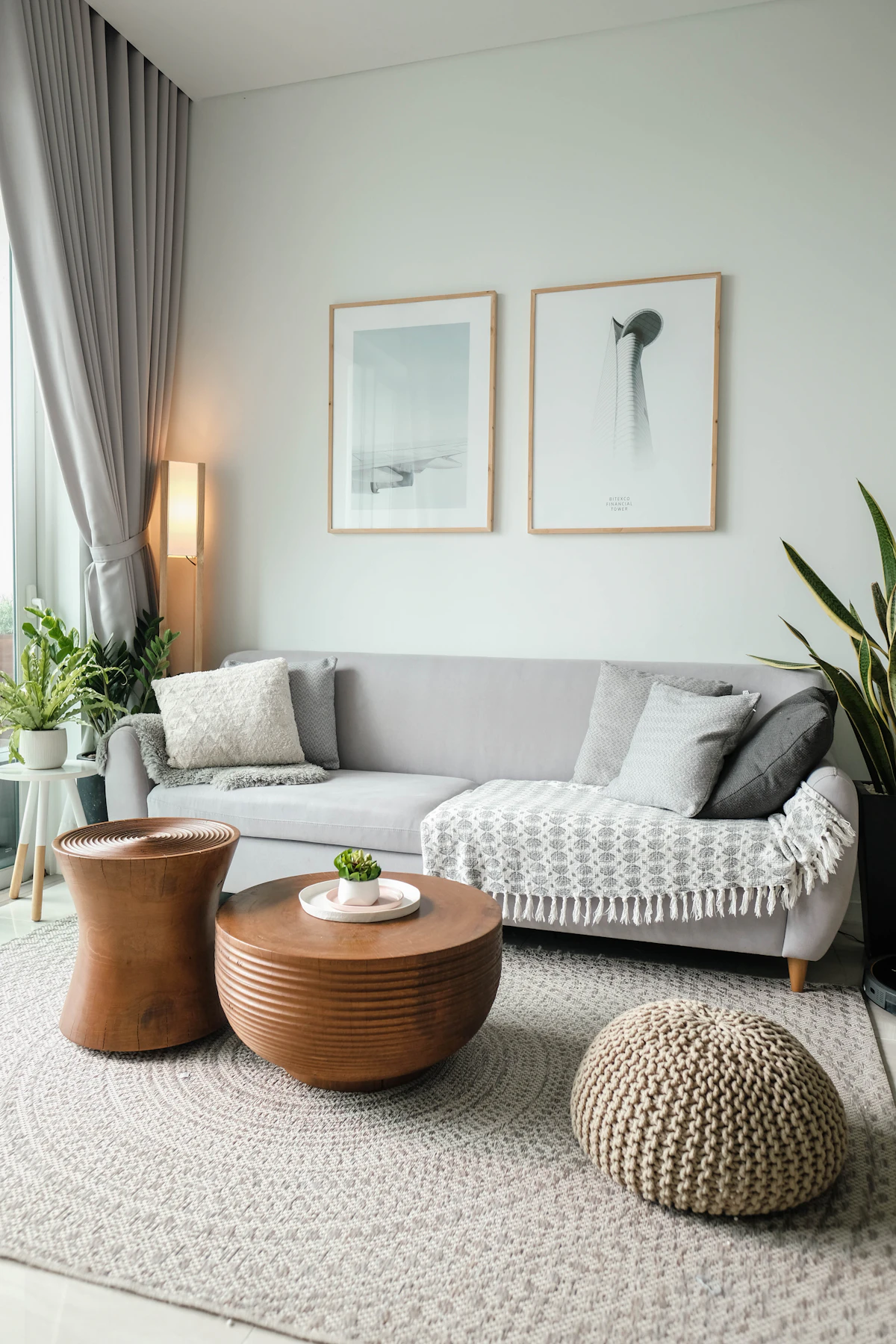
When restructuring a difficult floor plan, professionals often emphasize the importance of negative space. Leaving walls partially unadorned and avoiding oversized case goods prevents the room from feeling heavy or claustrophobic. Furthermore, integrating multi-functional furniture, such as storage ottomans or nesting coffee tables, keeps clutter hidden while maintaining an open flow of movement throughout the space.
Maximizing Narrow Urban Living Rooms
Narrow rooms frequently present a bowling-alley effect where furniture gets pushed entirely against perimeter walls. Successful makeovers break this cycle by “floating” seating arrangements away from the walls and utilizing round coffee tables to soften rigid rectangular lines. Layering area rugs with distinct textures also helps anchor separate functional zones without building physical partitions.
Another effective strategy in narrow spaces involves vertical scaling. Drawing the eye upward with tall bookshelves, vertical wood slat paneling, or floor-to-ceiling drapery tricks the brain into perceiving a wider room volume. Combining these vertical elements with strategic mirror placement opposite primary light sources instantly expands the horizontal boundaries of the living area.
Lighting and Color Palette Overhauls
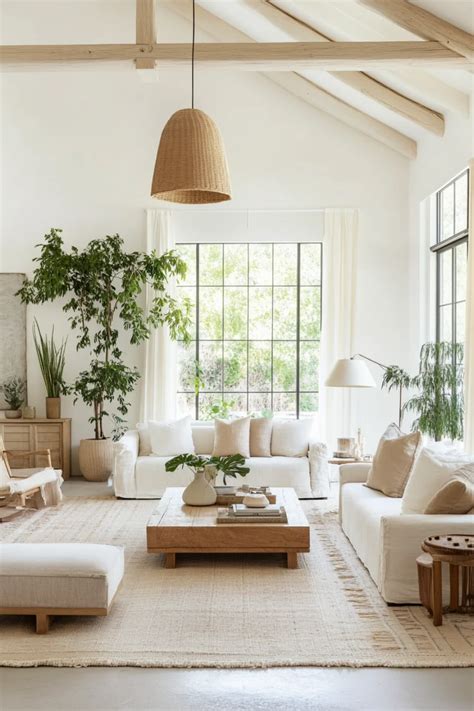
A dark, dreary living room can drain the energy out of an entire home, regardless of how comfortable the furniture might be. Many dramatic before-and-after projects feature comprehensive lighting and color overhauls that trade heavy, saturated tones for light-reflecting neutrals or daring, moody jewel tones used with purpose. The secret to these transformations lies in layering ambient, task, and accent lighting rather than relying on a single overhead flush-mount fixture.
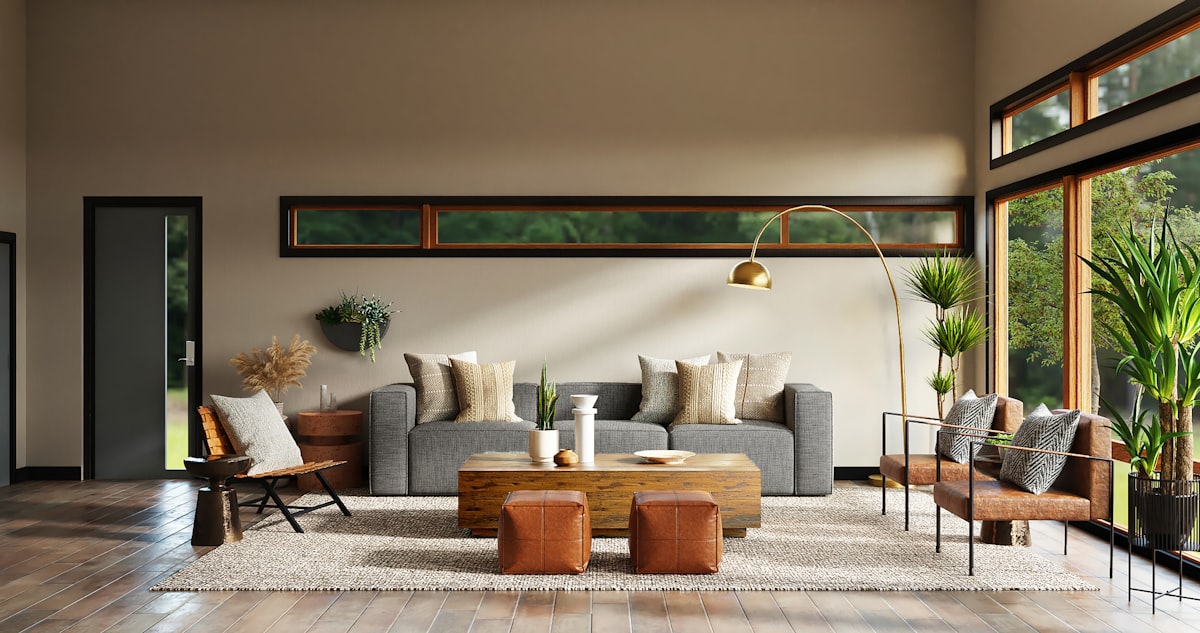
Beyond paint and bulbs, window treatments play a pivotal role in redefining light quality. Replacing heavy, dated drapes with sheer linen panels allows natural sunlight to flood the room while maintaining privacy. For spaces with limited windows, incorporating warm wood tones, brass fixtures, and tactile fabrics like bouclé or velvet introduces organic warmth that compensates for a lack of direct sunlight.
Transforming Low-Light Spaces Into Bright Retreats
Tackling a naturally dark room requires careful evaluation of LRV (Light Reflectance Value) ratings when selecting paint colors. Shades with higher LRVs bounce incoming daylight around the space, whereas matte black or charcoal walls absorb it. Successful dark-room makeovers often lean entirely into the coziness by painting trim and walls the same deep hue, or they pivot entirely to crisp, warm off-whites paired with reflective surfaces like glass and polished stone.
Flooring choice is another critical factor in brightening a heavy room. Dark carpeting frequently absorbs light, making a space feel smaller and dingier over time. Replacing carpet with wide-plank light oak flooring or applying a durable, semi-gloss finish to existing hardwoods instantly lifts the visual weight off the floor plane.
Balancing High-End Aesthetics with Real-World Budgets
One of the most persistent misconceptions about dramatic home transformations is that they require an unlimited budget. In reality, many of the most striking before-and-after features are the result of targeted cosmetic updates mixed with high-value DIY projects. Homeowners often allocate funds toward high-impact investment pieces, such as a well-crafted sofa or statement lighting, while saving on easily swappable accessories, throw pillows, and accent decor.
Trim work, such as adding board-and-batten or picture-frame molding, offers a high-end architectural look at a fraction of custom carpentry costs. Similarly, updating outdated fireplace surrounds with modern tile or a fresh coat of high-temperature paint can completely alter the focal point of a room without necessitating a full structural rebuild.
Smart Investment Priorities for Living Room Makeovers
When deciding where to spend and where to save, interior specialists recommend prioritizing items subject to daily physical wear and tear. A sturdy sofa frame, durable flooring, and reliable lighting fixtures warrant a higher financial commitment because replacing them frequently is both costly and disruptive. Conversely, coffee tables, accent chairs, and decorative art can easily be sourced secondhand or updated affordably over time.
Timing is another practical consideration that often surprises first-time renovators. While television shows suggest complete transformations happen in a weekend, realistic timelines for sourcing custom elements, managing contractor schedules, and allowing paint or plaster to cure properly usually span anywhere from four to twelve weeks, depending on the scope of work.
Frequently Asked Questions
How can I make a dark living room feel brighter without adding windows?
To brighten a dark living room without structural changes, focus on maximizing light reflection and distribution. Choose paint colors with high light reflectance values (LRVs), replace heavy window coverings with sheer fabrics, and incorporate layered lighting through floor lamps, table lamps, and wall sconces. Additionally, introducing mirrors opposite light sources and utilizing lighter-colored flooring or rugs will bounce ambient light throughout the space.
What are the most high-impact updates for a living room makeover?
The most transformative updates typically include changing the color palette, upgrading lighting fixtures, and reconfiguring the furniture layout to improve traffic flow. Adding architectural details such as wall molding or updating a fireplace surround also yields an immediate, high-end visual impact without requiring a massive budget.
How long do typical living room transformations take from start to finish?
While cosmetic updates like painting and swapping accessories can be completed over a weekend, a comprehensive living room transformation involving new flooring, custom built-ins, and furniture sourcing generally takes between four and twelve weeks. Delays often stem from shipping times for custom furnishings and scheduling specialized tradespeople.