The modern American living room has evolved far beyond a formal sitting area reserved for visiting guests. Today, it serves as a dynamic hub for remote work, family movie nights, relaxation, and casual entertaining. As lifestyle demands shift, interior designers and spatial planners are rethinking how these central spaces function and feel. Moving away from rigid, uniform aesthetics, current design directions emphasize personal expression, ecological responsibility, and seamless technological integration that respects the visual calm of the room.
Updating your main living space does not require a complete architectural overhaul or a total replacement of your existing furniture. Instead, incorporating select innovative concepts can dramatically alter the atmosphere and usability of the room. Whether you are refreshing a suburban open-concept floor plan or outfitting a compact urban apartment, understanding these emerging directions helps you make intentional choices that stand the test of time rather than chasing fleeting fads.
1. Sustainable and Eco-Friendly Materials
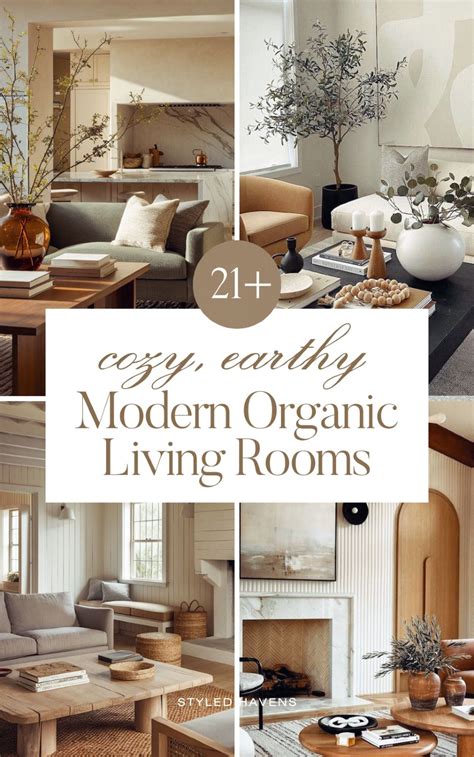
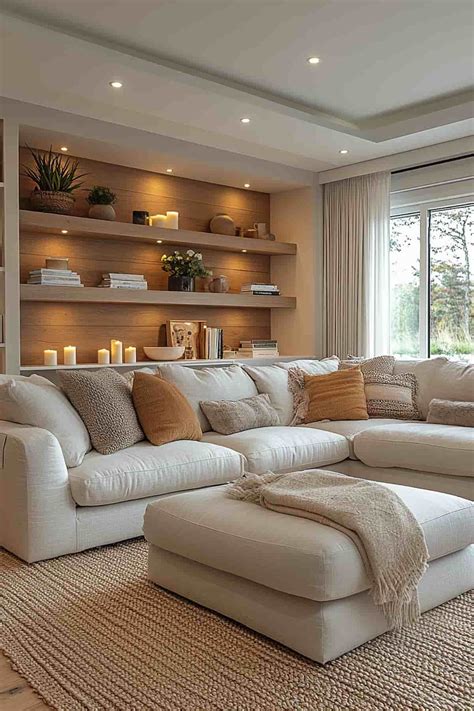
Environmental consciousness has transitioned from a niche preference to a foundational pillar of modern interior design. Homeowners increasingly prioritize furniture and finishes constructed from reclaimed wood, recycled metals, and organically sourced textiles like certified organic cotton, linen, and jute. These materials not only reduce environmental impact but also introduce rich textures and organic imperfections that manufactured synthetics simply cannot replicate.
When shopping for larger statement pieces, such as a coffee table or media console, look for brands that transparently source their timber or utilize repurposed architectural elements. While these pieces sometimes carry a higher initial investment compared to fast-furniture alternatives, their superior craftsmanship ensures greater durability. Furthermore, pairing sturdy, sustainable furniture with neutral, earthy backdrops allows you to easily update accent colors seasonally without contributing to household waste.
2. Smart Home Technology Integration
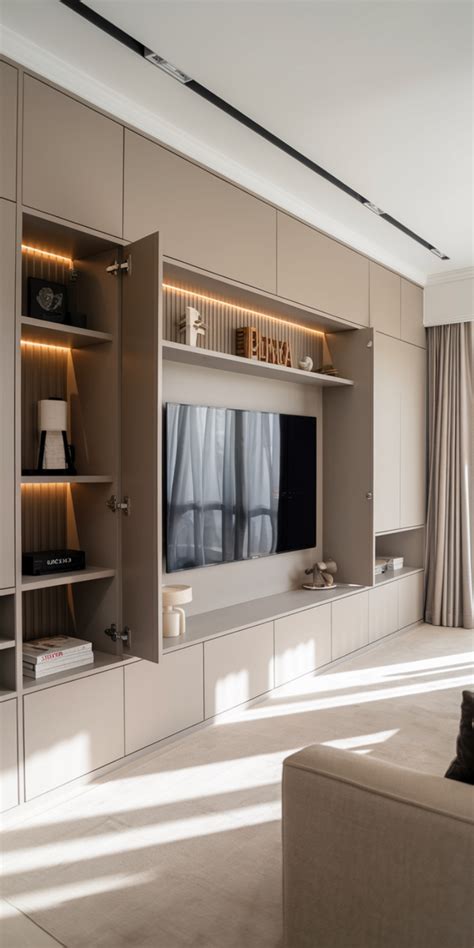
Technology is an undeniable part of daily life, but bulky black screens and tangled cords often disrupt the visual harmony of a carefully curated interior. The latest approach to smart home integration focuses on invisibility and intuitive convenience. Designers are concealing televisions behind sliding acoustic art panels, utilizing motorized roller shades that blend seamlessly into window trim, and installing architectural lighting systems that adjust color temperature automatically throughout the day.
For renters and homeowners alike, implementing this trend can be as simple as swapping standard plastic switch plates for sleek, matte finishes or incorporating voice-controlled audio devices housed in fabric-wrapped enclosures that match your upholstery. The primary goal is to let technology work quietly in the background, enhancing your comfort and energy efficiency without turning your living room into a digital showroom.
3. Multifunctional Spaces and Modular Furniture
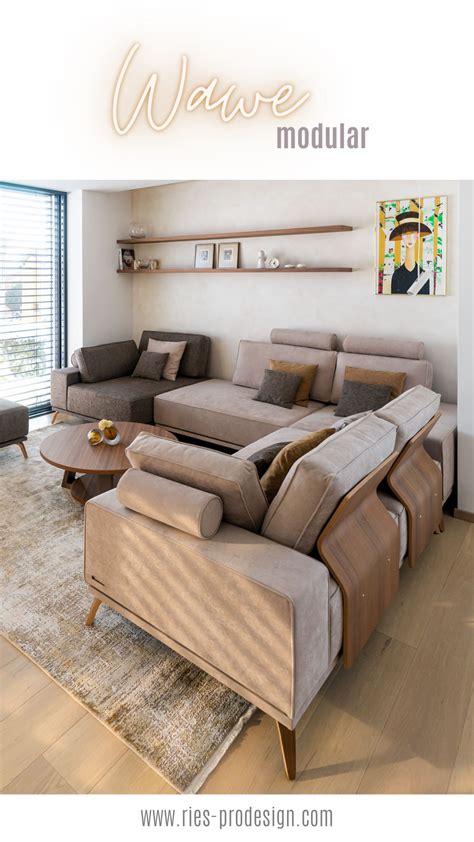
American floor plans often require the living room to wear multiple hats. A successful layout might need to accommodate a makeshift home office corner during weekday business hours before transforming into a cozy entertainment lounge by evening. To achieve this fluidity without cluttering the floor space, modular seating arrangements and transformable furniture have become essential components of contemporary spatial planning.
Modular sofas allow you to reconfigure layouts based on the occasion, easily splitting a large sectional into conversational groupings or pushing pieces together for movie night. Similarly, nesting tables, storage ottomans, and foldable desks provide utility when needed and tuck away discreetly when floor space is at a premium. When selecting modular pieces, pay close attention to scale to ensure the furniture complements the architectural proportions of your specific room rather than overwhelming it.
4. Biophilic Design and Indoor Greenery
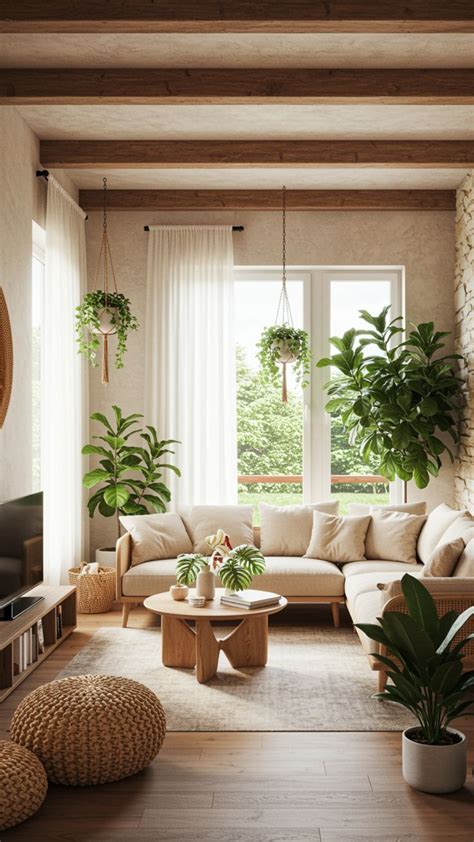
Connecting interior environments with the natural world outside remains a powerful movement in residential design. Biophilic design goes beyond simply placing a potted fern on a windowsill; it involves maximizing natural daylight, incorporating organic shapes, and introducing substantial botanical elements that improve indoor air quality and psychological well-being.
Consider grouping plants of varying heights—such as a tall fiddle-leaf fig, trailing pothos on a bookshelf, and small succulents on a side table—to create layered green focal points. If natural light is limited in your living room, select low-light resilient species like snake plants or ZZ plants, and supplement with warm-toned, full-spectrum architectural lighting. Natural fiber rugs, stone tabletops, and untreated leather accents further reinforce this grounding connection to nature.
5. Bold Color Palettes and Maximalist Textures
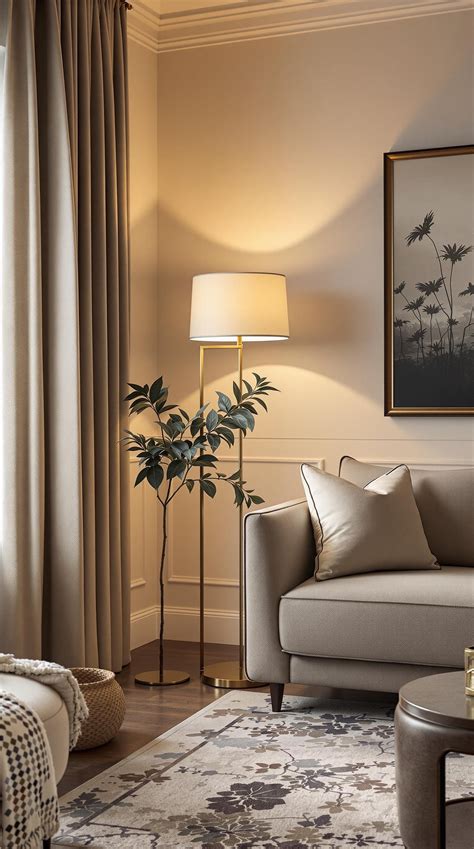
While neutral palettes dominated interior design for years, a distinct swing toward rich, saturated color and tactile layering is taking center stage. Homeowners are embracing deeply moody hues like forest green, terracotta, navy blue, and warm ochre on accent walls or through large-scale upholstered pieces. This approach creates an intimate, cocoon-like atmosphere that feels both sophisticated and deeply personal.
Successfully executing a richer color palette relies on balancing heavy textures. If you introduce velvet upholstery or dark wall paint, counteract the visual weight with woven wall hangings, polished brass light fixtures, or light wood flooring. Layering tactile elements—such as a chunky wool throw over a smooth leather armchair—adds depth and prevents dark or bold rooms from feeling flat or oppressive.
6. Architectural Lighting as a Focal Point
Lighting is no longer treated as an afterthought or handled solely by a single overhead ceiling fixture. Contemporary living rooms utilize layered lighting schemes that treat fixtures as sculptural art pieces in their own right. Oversized arching floor lamps, statement ceramic table lamps, and architectural wall sconces create pools of warm illumination that define different functional zones within the room.
When planning your lighting layout, aim for at least three distinct levels of illumination: ambient lighting for general brightness, task lighting for reading or working, and accent lighting to highlight architectural features or artwork. Choosing bulbs with adjustable color temperatures allows you to transition the room from bright, energizing daylight to a soft, amber glow as the evening progresses.
7. Mindful and Cozy Minimalist Layouts
Minimalism has evolved away from stark, sterile environments toward a warmer, more soulful philosophy often referred to as warm minimalism or essentialism. This trend encourages a deliberate curation of belongings, where every item displayed in the living room holds genuine utility or emotional significance. By removing visual clutter, you allow the negative space to breathe, making the room feel more expansive and tranquil.
To achieve this look, evaluate your surfaces and remove items that do not serve a clear purpose or bring you joy. Invest in closed storage furniture, such as credenzas with solid doors, to hide away everyday items like remotes, charging cords, and children’s toys. The result is a serene, uncluttered sanctuary that invites relaxation and mindful living at the end of a busy day.
Frequently Asked Questions
How can I incorporate living room trends if I am renting?
Renters can easily embrace current trends by focusing on non-permanent updates. Utilize modular furniture that can move with you to future homes, incorporate smart home devices that do not require rewiring, and use rugs, throw pillows, and freestanding plants to introduce bold colors and biophilic elements without altering walls or flooring.
What is the best way to mix wood tones in a living room?
Mixing wood tones adds warmth and prevents a room from looking like a matched showroom. To do this successfully, choose one dominant wood tone for your largest pieces, and ensure that secondary wood items share a similar undertone—either warm or cool—rather than matching the exact grain or color.
How do I make a small living room feel larger without removing furniture?
You can enhance the perception of space by choosing furniture with exposed legs that allow light to pass underneath, hanging window treatments close to the ceiling line to draw the eye upward, and incorporating mirrors strategically to reflect natural daylight across the room.