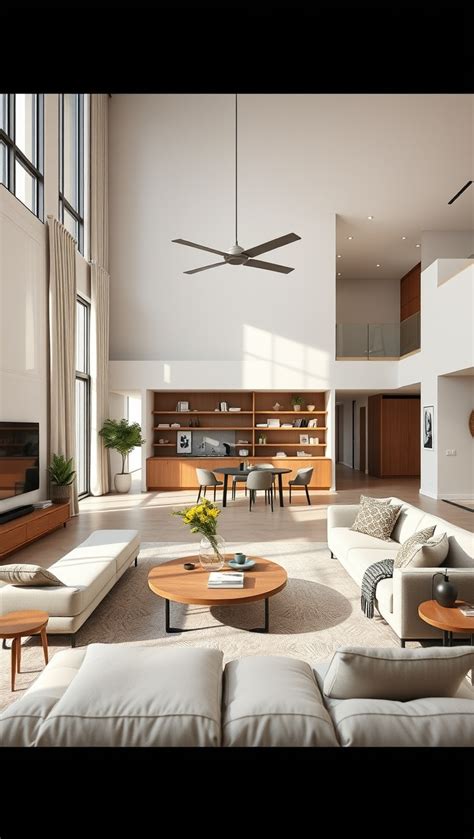
Transforming an ordinary house or apartment into a refined sanctuary does not require a massive structural renovation or an unlimited budget. Professional interior designers frequently rely on high-impact, low-disruption strategies—such as layering lighting temperatures, swapping hardware, and introducing sophisticated textural contrasts—to completely alter the mood of a room. Whether you live in a sprawling suburban ranch or a compact urban rental, applying these professional concepts helps maximize architectural potential while reflecting your personal taste.
American residential architecture varies wildly, ranging from mid-century modern foundations to traditional colonial layouts and contemporary open-concept builds. Because floor plans differ so dramatically across regions, successful decorating relies on adaptable design principles rather than rigid rules. By focusing on intentional layout flow, curated color palettes, and functional styling, you can achieve a polished, cohesive aesthetic throughout your entire living space.
Living Room Statement Pieces and Layout Strategies
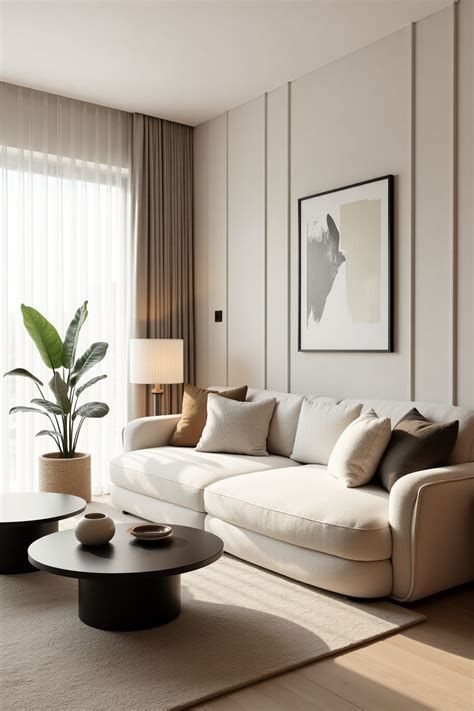
The living room serves as the emotional anchor of most American homes, functioning as a space for family gatherings, entertaining guests, and quiet evening relaxation. Establishing a professional layout begins with floating your furniture away from the walls, a common designer trick that immediately creates a more expansive and intentional feel, even in modest suburban or urban spaces.
Introduce a single dramatic statement piece to ground the room—such as an oversized piece of abstract art, a sculptural coffee table, or a richly textured performance-fabric sofa. When choosing large furniture items, prioritize durable materials that withstand everyday wear while maintaining clean lines. Balance these substantial anchor pieces with lighter, versatile elements like nesting side tables or modular accent chairs that can be easily rearranged when hosting visitors.
Kitchen and Dining Functional Upgrades
Kitchens and dining areas are high-traffic zones where utility and aesthetics must intersect seamlessly. Without replacing cabinetry or countertops, you can dramatically elevate the cooking space by swapping out standard builder-grade cabinet pulls and faucets for high-end finishes like unlacquered brass, matte black, or brushed nickel.
In the dining area, focus on the lighting anchor by hanging a statement pendant or chandelier directly over the table, ensuring it hangs at the optimal height of roughly thirty to thirty-six inches above the surface. Pair this overhead lighting with open shelving styled minimally with ceramic serveware, cookbooks, and a touch of greenery to add warmth and lived-in charm without cluttering workspace countertops.
Bedroom Sanctuary Styling and Textile Layering
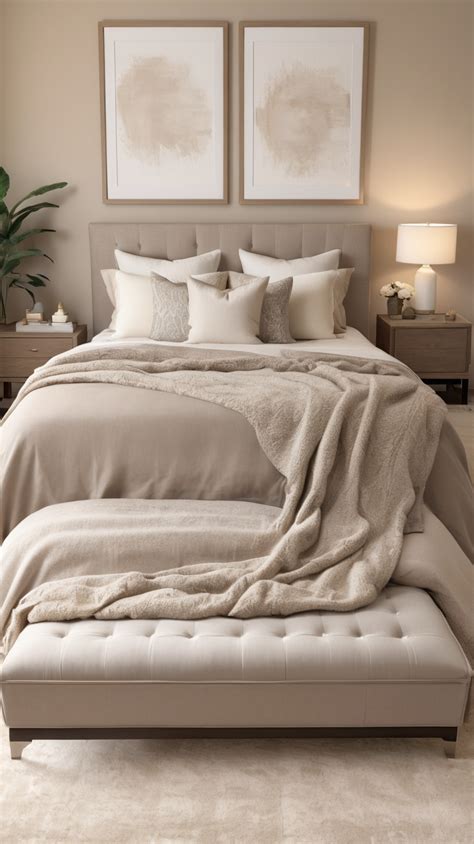
A well-designed bedroom should function as a restorative retreat from the fast pace of daily life. Designers achieve this serene atmosphere by investing heavily in luxurious, tactile bedding layers—combining crisp linen sheets with a heavier matelassé coverlet and a plush wool or faux-fur throw at the foot of the bed.
Pay close attention to window treatments to instantly elevate the bedroom’s architectural proportions. Hang drapery rods several inches above the window frame and extend them outward on each side, allowing floor-length curtains in neutral, light-filtering fabrics to make standard windows appear grander and let in an abundance of soft, natural morning light.
Bathroom Spa-Like Transformations
Bathrooms frequently get overlooked in decorative planning, yet they offer a wonderful opportunity to introduce refined, spa-like details. Swap out generic bathmats for plush Turkish cotton runner rugs, and decant everyday liquid soaps and lotions into amber glass bottles with sleek pump dispensers for an instant touch of boutique hotel luxury.
Incorporate natural elements like a teak wood shower stool or a small ceramic vase holding a single eucalyptus stem to bring organic warmth to cold tile and porcelain surfaces. Upgrading the vanity mirror to a framed architectural design—such as an arched brass or rounded wooden frame—also breaks up the monotony of standard wall-to-wall plate glass mirrors.
Lighting, Texture, and Color Palette Mastery
Lighting is arguably the most powerful tool in interior design, yet it is often limited to harsh overhead fixtures. Professional designers implement a multi-layered lighting plan that combines ambient, task, and accent lighting using table lamps, floor lamps, and picture lights fitted with warm-toned bulbs between 2400K and 2700K.
To prevent a room from feeling flat or sterile, build a rich textural landscape by mixing materials such as woven rattan, smooth leather, rustic reclaimed wood, and polished metals. Balance these elements within a cohesive, nature-inspired color palette consisting of warm neutrals, muted olives, soft terracottas, and deep charcoal accents that anchor the space gracefully.
Renter-Friendly Solutions for Urban Apartments
Renting a U.S. apartment often comes with limitations regarding permanent modifications, but creativity easily compensates for strict lease agreements. Utilize temporary peel-and-stick wallpaper to create a dramatic accent wall in a entryway or powder room, or lay down large-scale area rugs to completely mask unattractive wall-to-wall carpeting without damaging the underlying flooring.
Maximize vertical storage by utilizing freestanding shelving units, tension-rod hanging racks, and damage-free adhesive hooks to display framed art collections without leaving large nail holes behind. These thoughtful additions allow you to personalize your apartment deeply while ensuring a hassle-free move-out process when the time comes.
Frequently Asked Questions
How can I elevate my home decor on a tight budget?
Focus on high-impact, low-cost updates such as changing out cabinet hardware, swapping throw pillow covers, upgrading light bulb color temperatures, and decluttering surfaces. Rearranging existing furniture into more conversational layouts also costs nothing while completely refreshing a room’s dynamics.
What are the key interior design trends for American homes?
Current professional trends lean heavily into warm minimalism, organic modernism, rich textural layering, and sustainable materials like stone, travertine, and unlacquered metals. The emphasis is on creating comfortable, highly functional spaces that prioritize personal well-being over strict aesthetic perfection.
How do I choose the right color palette for my space?
Start by evaluating your home’s natural light orientation—north-facing rooms benefit from warmer, creamy hues, while south-facing rooms can handle cooler, crisper tones. Build your palette using a 60-30-10 rule: 60 percent dominant neutral for walls and large furniture, 30 percent secondary tone for upholstery and rugs, and 10 percent accent color for art and accessories.
What are the best renter-friendly ways to decorate an apartment?
Use renter-friendly solutions like peel-and-stick wallpaper, plug-in wall sconces that require no hardwiring, heavy-duty adhesive strips for hanging art, and statement area rugs to cover dull flooring. Freestanding furniture and multi-functional storage pieces also provide style and utility without violating lease terms.