Furnishing a home goes beyond filling empty floor space; it is about creating an environment that supports daily routines, offers genuine physical rest, and reflects personal style. In typical American homes and apartments, the living room and the bedroom serve as the primary zones for relaxation and recovery. Selecting the right pieces requires looking past temporary design trends and focusing on how materials, scale, and construction quality hold up to everyday life. Whether you are moving into a newly built suburban house or updating a downtown urban apartment, striking the right balance between comfort and visual appeal requires a thoughtful, room-by-room approach.
Understanding your spatial constraints and lifestyle demands is the first step toward building a cohesive interior. A sprawling sectional sofa that looks magnificent in a large suburban showroom might completely overwhelm a compact open-concept living area, while a delicate nightstand might look lost next to a plush, oversized American king bed. By evaluating standard room dimensions, traffic flow patterns, and material durability standards before making a purchase, you can invest in foundational furniture that delivers long-term satisfaction and effortless everyday utility.
Living Room Seating Essentials: Balancing Scale and Comfort
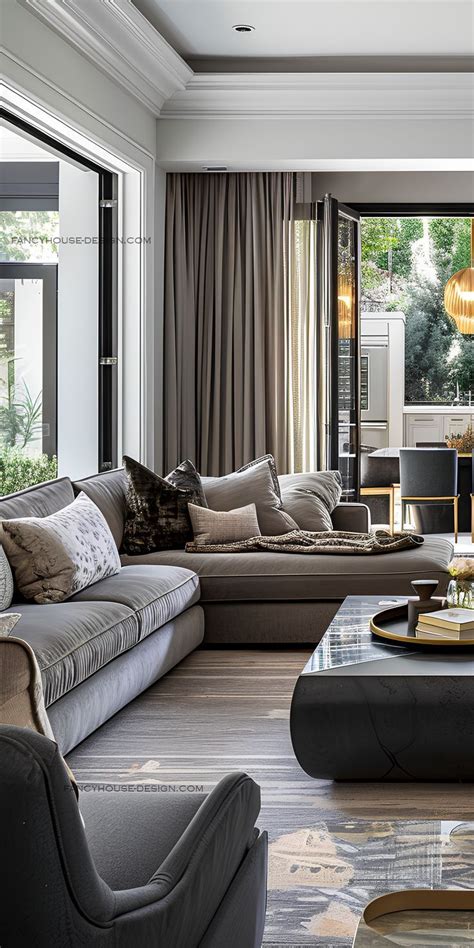
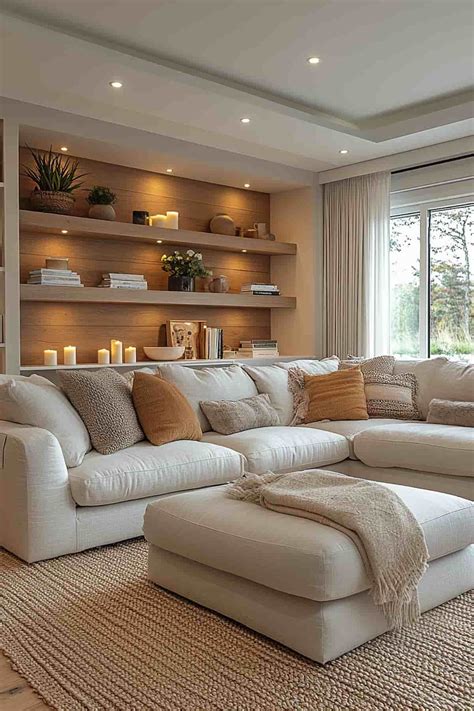
The living room is typically the high-traffic hub of the house, making the choice of primary seating paramount. When shopping for sofas, loveseats, or modular sectionals, the scale of the furniture must match the architectural proportions of the room. A common mistake is buying furniture based solely on how it looks in an expansive online catalog rather than measuring the exact clearance needed for coffee tables, side tables, and natural walkways.
For spacious suburban living areas, an L-shaped or U-shaped sectional provides ample seating for family gatherings and movie nights. However, in smaller metropolitan apartments, a streamlined three-seater sofa paired with a versatile accent chair keeps the floor plan feeling open and breathable. When evaluating comfort, pay close attention to cushion fill materials and seat depth. High-resilience foam wrapped in down-alternative fibers offers a supportive sit that bounces back over time, preventing the dreaded sagging middle that compromises both posture and aesthetic appeal.
Bedroom Sanctuary: Crafting a Restful Sleeping Environment
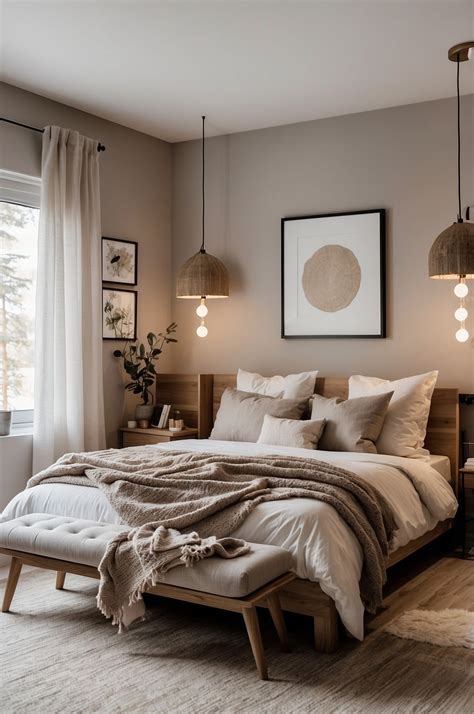
Your bedroom should function as a calm retreat from the demands of the outside world, starting with the anchor of the space: the bed frame and mattress. Selecting a sturdy bed frame—whether crafted from solid hardwood, upholstered linen, or industrial metal—ensures structural integrity and eliminates annoying squeaks that can disrupt sleep. Platform beds offer a sleek, low-profile aesthetic that works wonderfully in modern U.S. homes, while traditional storage beds provide hidden drawers underneath, maximizing utility in rooms with limited closet space.
Beyond the bed itself, supportive case goods like nightstands and dressers complete the room’s functionality. Nightstands should ideally match the height of your mattress top for easy access to reading lamps, alarm clocks, and nighttime essentials. When choosing wood finishes or painted surfaces, look for durable topcoats that resist water rings and scratches from daily use. Coordinating these pieces with your main living spaces through complementary wood tones or unified metallic hardware creates a harmonious visual flow throughout the entire home.
Smart Space-Saving Furniture for Modern U.S. Floor Plans
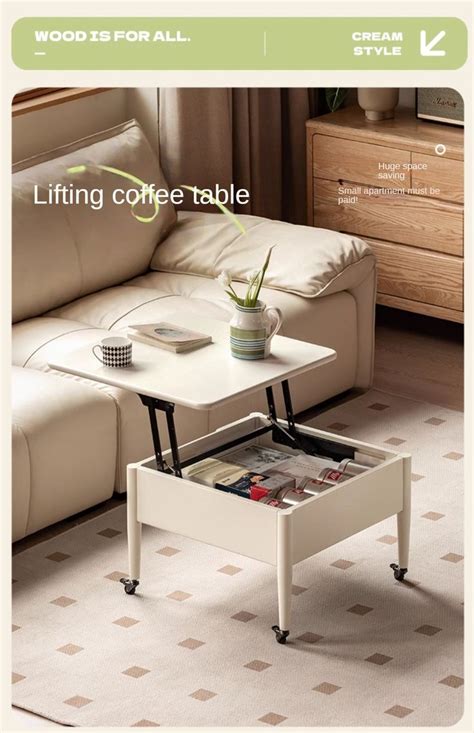
Modern American living often involves maximizing multi-functional rooms, guest spaces, and apartments where square footage comes at a premium. Space-saving furniture has evolved far beyond flimsy college dorm items into sophisticated pieces that do not sacrifice style. Nested coffee tables can be pulled apart when entertaining guests and tucked away neatly afterward, while extendable dining consoles and storage ottomans keep clutter out of sight.
In guest bedrooms or home offices that double as sleeping quarters, sleeper sofas and daybeds offer incredible versatility. When investing in these convertible pieces, test the mechanical folding mechanism or pull-out tracks to ensure they operate smoothly without scraping hardwood floors. Choosing multi-use furniture allows you to maintain a clean, uncluttered aesthetic while ensuring your home remains fully prepared for overnight visitors and changing daily needs.
Evaluating Durability, Materials, and Long-Term Value
Furniture is a significant financial investment, and evaluating construction quality is essential to ensuring your pieces last for years. For upholstered items like living room sofas and bedroom headboards, examine the frame construction. Kiln-dried hardwood frames joined with corner blocks offer superior stability compared to particleboard or stapled softwoods that warp over time. Fabric selection is equally critical; performance fabrics treated to resist stains and fading are practically mandatory for households with children, pets, or high daily usage.
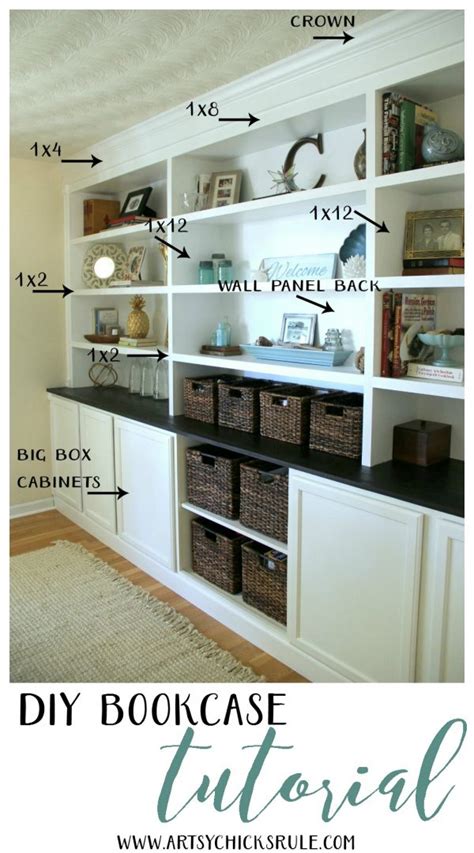
When reviewing case goods like dressers, media consoles, and bookshelves, check the drawer construction. English or French dovetail joints indicate superior craftsmanship compared to simple glued or nailed drawer boxes. Investing in high-value, durable materials upfront reduces the need for premature replacements, saving money and minimizing waste while keeping your home looking polished and put-together.
Frequently Asked Questions
What furniture pieces are essential for a comfortable living room and bedroom?
In the living room, essential pieces include a comfortable sofa or sectional, a functional coffee table, adequate lighting, and supportive accent seating. In the bedroom, the core essentials are a supportive mattress, a durable bed frame, functional nightstands, and a reliable dresser or storage unit for clothing.
How do I choose furniture that fits both my space and style?
Start by measuring your room dimensions and mapping out walkways before shopping. Leave at least 30 to 36 inches of clear walking space around major furniture items. To match your style, pick a cohesive color palette or unifying material theme—such as warm wood tones or matte black metal accents—that ties your rooms together.
What should I look for regarding durability and comfort when buying online?
Look for detailed specifications regarding frame materials, such as kiln-dried hardwood rather than particleboard. Check cushion density ratings and upholstery fabric descriptions, prioritizing performance fabrics if you have an active household. Reading verified customer reviews regarding long-term support and fabric wear can also guide your decision.
How can I coordinate my bedroom and living room aesthetics?
You can create a cohesive look by repeating specific design elements, such as a consistent metal hardware finish, complementary wood stains, or a recurring textile texture like boucle or linen. This subtle continuity makes transitioning between rooms feel natural and professionally designed.