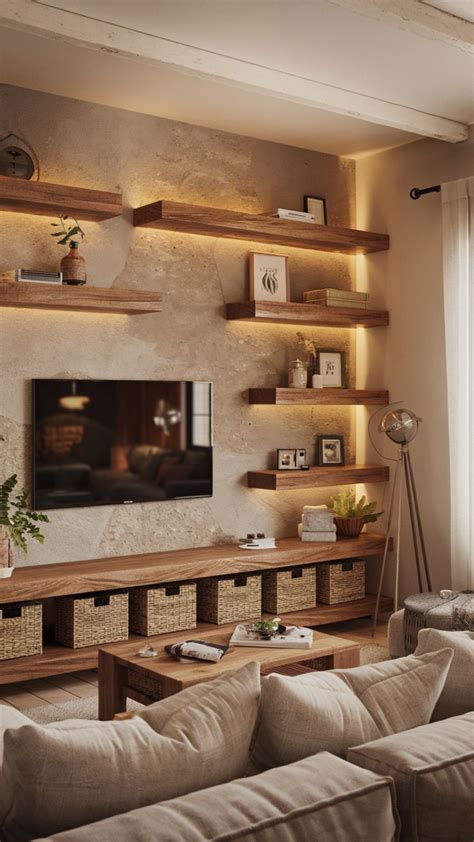
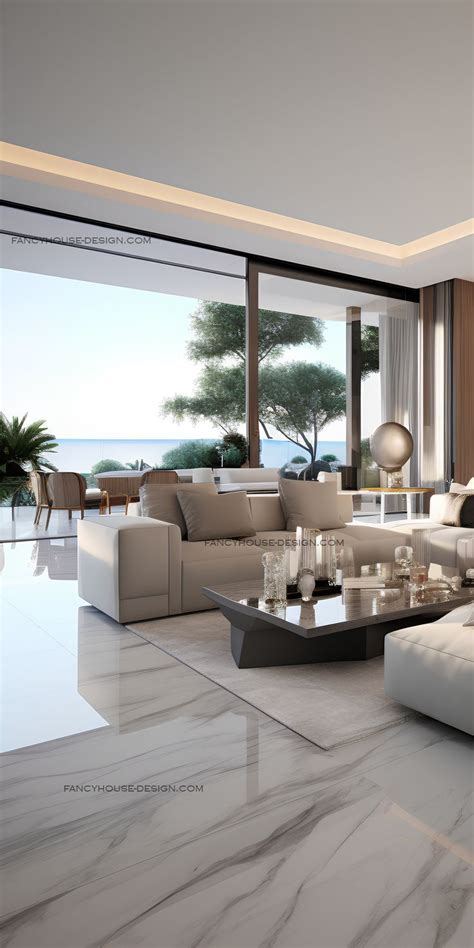
When planning a home refresh or tackling a comprehensive renovation, selecting the foundational elements sets the mood for your entire living space. Among neutral palettes, slate and ash tones have emerged as powerful tools in American interior design, bridging the gap between stark modern minimalism and warm, inviting traditionalism. Grey tiles, in particular, offer an exceptional blend of durability and aesthetic versatility. Whether you own a suburban craftsman home or rent a contemporary urban apartment, incorporating neutral flooring or wall accents can instantly anchor your decor with quiet sophistication.
Navigating the vast world of tile selections can feel overwhelming, especially when balancing personal style with long-term practicality. Homeowners often wonder how to introduce neutral tones without making a room feel sterile or cold. By understanding how different shades interact with natural light, evaluating various surface finishes, and exploring curated collections from trusted providers like Tile Touch, you can create a cohesive environment that stands the test of time. Let us explore the nuances of styling with these versatile products and uncover how they can transform your living spaces.
The Enduring Appeal of Grey Tiles in American Architecture
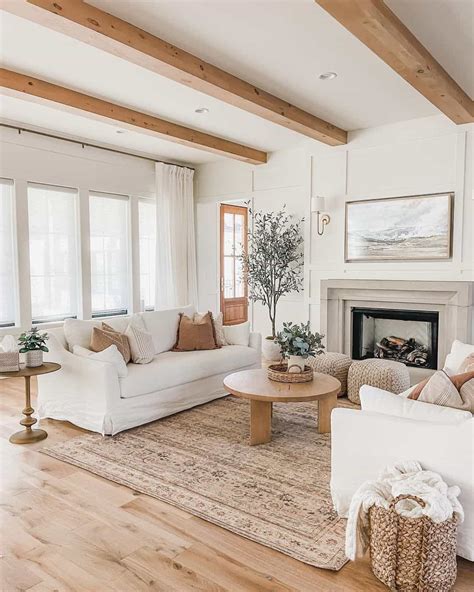
The enduring popularity of neutral architectural surfaces in American homes is no accident. Unlike trendy colors that quickly feel dated, these understated palettes function as sophisticated chameleons, adapting seamlessly to changing seasonal decor and evolving furniture styles. They provide a neutral canvas that allows statement art, vibrant textiles, and rich wood tones to truly shine without causing visual clutter. This adaptability explains why builders and designers consistently turn to neutral floor and wall materials for high-traffic zones.
Furthermore, porcelain and ceramic options excel in practical durability. Modern manufacturing processes yield products that resist moisture, staining, and heavy foot traffic with minimal upkeep. For American households bustling with children, pets, and frequent guests, this low-maintenance resilience is invaluable. Whether laid out in a spacious open-concept kitchen or a cozy mudroom, these dependable materials offer peace of mind alongside undeniable visual polish, supporting daily routines without showing premature wear.
Choosing Your Shade: From Soft Dove to Deep Charcoal
Selecting the right color intensity depends heavily on the scale of your room and the amount of natural daylight it receives. Light ash and dove tones act as reflectors, bouncing natural illumination around compact or north-facing rooms. These lighter hues create an airy, expansive feeling, making them ideal for smaller bathrooms, galley kitchens, or urban apartments where maximizing perceived space is a top priority.
Conversely, deep charcoal and slate shades introduce drama, grounding expansive spaces with architectural weight. In large, sun-drenched living areas or master suites with floor-to-ceiling windows, dark floor treatments prevent the room from feeling cavernous by adding intimate contrast. When paired with warm brass fixtures or soft white cabinetry, these deeper tones strike a harmonious balance between moody elegance and welcoming comfort.
Room-by-Room Design Inspiration with Tile Touch
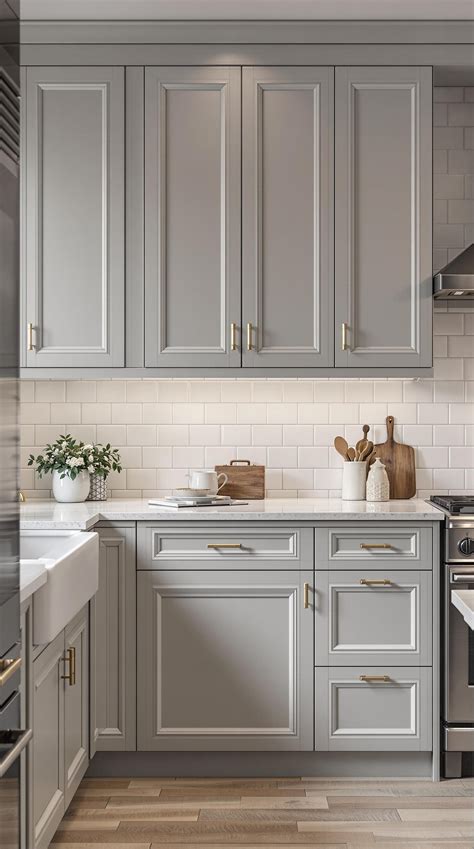
Applying these versatile hard surfaces successfully means tailoring the finish and format to the specific function of the room. In kitchens, a soft subway tile backsplash introduces texture behind open shelving, while larger-format porcelain floor tiles handle spills and heavy foot traffic effortlessly. Tile Touch provides diverse options that cater to these exact functional needs while maintaining a high-end designer look.
Bathrooms benefit immensely from the spa-like tranquility associated with stone-look variations. Coordinating matte floor tiles with a slightly glossy wall surround creates tactile depth without overwhelming the senses. For standard residential updates, exploring reliable porcelain, ceramic, and specialized mosaic layouts makes it entirely feasible to upgrade bathrooms or entryways permanently with minimal disruption.
Balancing Textures and Overcoming the ‘Cold’ Myth
One common hesitation regarding cool-toned hard surfaces is the fear that they will make a home feel uninviting. Interior designers combat this by focusing heavily on texture and layering. Pairing smooth, polished porcelain surfaces with organic elements—such as jute rugs, reclaimed wooden furniture, or woven baskets—instantly infuses warmth into the environment. The juxtaposition of sleek tile against organic fibers creates a tactile richness that feels curated rather than sterile.
Lighting also plays a critical role in warming up a neutral-themed room. Incorporating layered lighting schemes, including warm-toned LED bulbs, amber glass pendant lights, and table lamps, highlights the subtle undertones of the material. This thoughtful approach ensures the space feels inviting and lived-in during both bright sunlit afternoons and cozy winter evenings.
Frequently Asked Questions
Are neutral tiles suitable for small American apartments?
Yes, lighter shades are particularly well-suited for smaller apartments. By reflecting natural light, they help make compact rooms feel more open, bright, and expansive.
How do I keep tiled floors from looking too cold?
You can warm up a room with hard flooring by layering natural textures, such as woolen area rugs, wooden furniture, woven baskets, and introducing warm-toned lighting fixtures.
What maintenance do Tile Touch porcelain products require?
Most porcelain and ceramic selections require very little maintenance—typically just regular sweeping and occasional damp mopping with a gentle, pH-neutral cleaner to keep surfaces looking pristine.