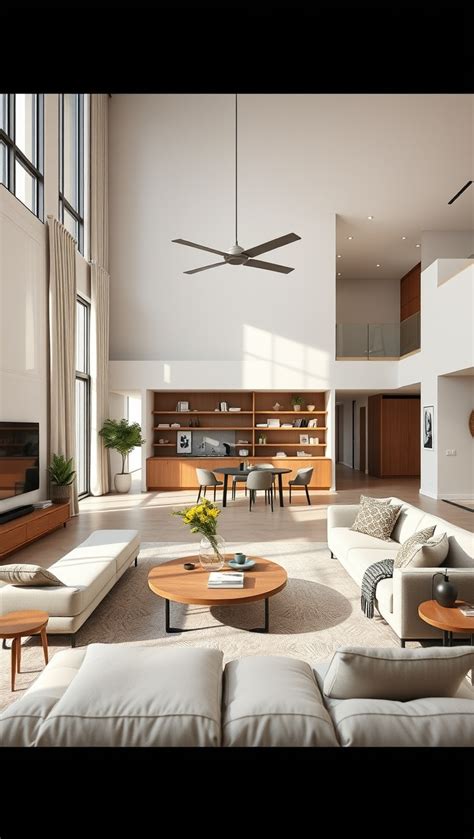
When furnishing a house or apartment across the United States, finding the right furniture combination can feel overwhelming. With countless styles, configurations, and materials available, narrowing down your choices requires a clear understanding of how your household actually uses the space on a daily basis. A well-chosen living room set instantly brings cohesion, saving you the time and guesswork of matching individual pieces from different manufacturers who might use varying dye lots and wood stains. Whether you are outfitting a sprawling suburban home with an open-concept layout or a cozy urban apartment, understanding the core components of a quality furniture set ensures your investment delivers lasting comfort and timeless style for years to come.
Standard furniture collections typically include a primary sofa paired with a matching loveseat or accent chair, often complemented by matching coffee and end tables. However, modern living room packages have evolved significantly to offer modular sectional configurations, media consoles, and multi-functional storage pieces tailored to contemporary American lifestyles. By looking past single-item browsing and evaluating complete furniture packages, you gain a unified design blueprint that anchors the entire room. The key is balancing your aesthetic preferences with the practical demands of everyday living, ensuring that your gathering space remains both visually inviting and exceptionally functional for family members and guests alike.
Understanding Standard Living Room Set Configurations
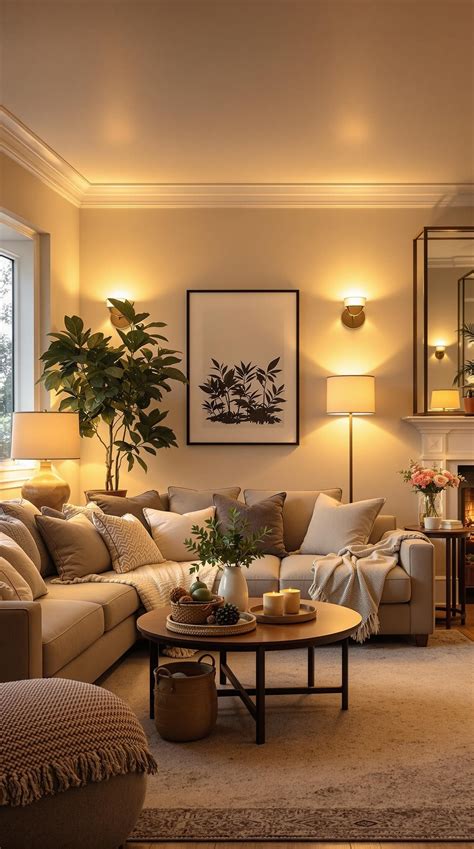
The foundation of any cohesive gathering space rests upon the configuration you choose to install. A traditional arrangement often pairs a three-seater sofa with a matching loveseat, creating a formal yet comfortable conversation area that works wonderfully in rectangular or closed-plan living rooms. This classic setup offers designated seating for family members and guests while maintaining a balanced visual weight on opposite sides of the room. When evaluating these standard packages, consider the physical dimensions of your space to ensure that the depth of the cushions and the height of the backrests do not obstruct walking paths, register vents, or picturesque window views.
Alternatively, contemporary homes increasingly lean toward sectional-based living room packages because they maximize seating capacity and make exceptional use of corner spaces that might otherwise remain empty or underutilized. Many modern sectional sets come with reversible chaises or modular components, allowing you to reconfigure the layout as your family grows or as you transition to a new home in the future. When measuring for a sectional, always account for the total chaise extension and verify whether a left-facing or right-facing orientation best suits your room’s architectural focal point, such as a masonry fireplace, an entertainment wall, or a large picture window.
Balancing Style and Durability for American Households
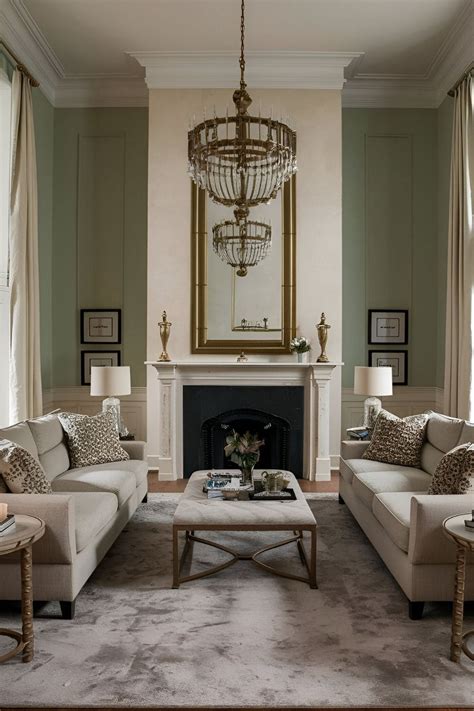
Selecting furniture that looks stunning in a showroom is only half the battle; the materials must also withstand the rigors of daily wear and tear. For households featuring active children or pets, high-performance fabrics such as tightly woven microfiber, solution-dyed acrylics, and heavy-duty textured polyesters offer exceptional stain resistance and reliable durability. Leather and faux leather are also popular choices for their ease of cleaning and sleek appearance, though they often require routine conditioning to prevent cracking in drier regional climates. Evaluating the underlying frame construction—such as kiln-dried hardwood rather than lightweight particle board—ensures that your seating supports active daily use without sagging, shifting, or developing annoying squeaks over time.
Beyond upholstery, the choice of exposed wood finishes, metal accents, and glass or stone tabletops defines the overall character of the room. Transitional and modern farmhouse styles often incorporate distressed oak or reclaimed wood surfaces that bring warmth and casual elegance to a space. In contrast, sleek metal frames, polished concrete, and tempered glass lean toward a modern industrial or minimalist aesthetic. Mixing these finishes carefully prevents the room from looking flat or overly matched, creating a layered, designer-curated atmosphere that feels deeply personal, sophisticated, and intentionally balanced across every corner of the room.
Space-Planning Strategies for Diverse Room Shapes
Every American home features unique architectural traits, ranging from narrow urban row houses and historic Victorians to spacious suburban ranches and contemporary builds. Successful space planning begins long before your furniture delivery arrives, starting with precise measurements of entryways, stairwells, and the living room itself. Utilizing painter’s tape directly on the floor to outline the exact footprint of each prospective sofa, chair, and table is an invaluable strategy. This practical visualization technique helps you verify that you have left at least thirty inches of clearance for comfortable walkways around major furniture pieces, preventing the room from feeling cramped, chaotic, or difficult to navigate.
For smaller living rooms or urban apartments, visual lightness is an essential design principle to master. Choose living room sets featuring exposed legs on sofas and chairs, which allow ambient light to pass underneath and create a powerful illusion of expanded floor space. Glass-topped coffee tables and slim-profile nesting tables further reduce visual bulk while providing essential surface area for task lighting, beverages, and decorative accents. Conversely, large open-concept great rooms benefit from substantial, grounded furniture sets that can visually anchor expansive architectural areas without getting lost in the high ceilings and open volume of the room, creating a cozy and intimate conversation zone.
Frequently Asked Questions
What pieces typically come in a standard living room set?
A standard living room set usually includes a full-sized sofa and a matching loveseat. Many expanded collections also incorporate an accent armchair, an ottoman, a coordinating coffee table, and one or two matching end tables to create a fully unified space.
How do I choose a living room set that fits my home’s layout?
Begin by measuring your room dimensions and mapping out walkways. Choose a sectional for open-concept or corner spaces, and opt for a traditional sofa and loveseat pairing for formal or rectangular rooms. Always check doorway and hallway dimensions to ensure delivery clearance.
What are the best durable fabrics for households with kids and pets?
High-performance synthetic fabrics like solution-dyed acrylic, heavy-grade polyester, and Crypton-treated textiles are exceptionally stain-resistant and durable. Genuine leather and high-quality microfiber are also top choices because they wipe clean easily.
How can I mix and match pieces while maintaining a cohesive look?
If you prefer not to buy an entire matching set, anchor your room with a neutral sofa, then introduce contrasting accent chairs and tables that share a common element, such as matching wood tones, similar leg styles, or a unified color palette.