Planning an outdoor excursion with a large group of family and friends requires a shift in how you think about temporary living spaces. Traditional dome tents often leave campers crouching, bumping elbows, and struggling to store gear without cluttering sleeping areas. Upgrading to a spacious 9-person house tent fundamentally alters the dynamic of group camping by introducing vertical walls, generous ceiling heights, and distinct room configurations. This comprehensive guide explores what makes house-style tents unique, how to evaluate their capacity realistically, and what practical features matter most when you are investing in a large outdoor shelter.
Understanding the House Tent Design
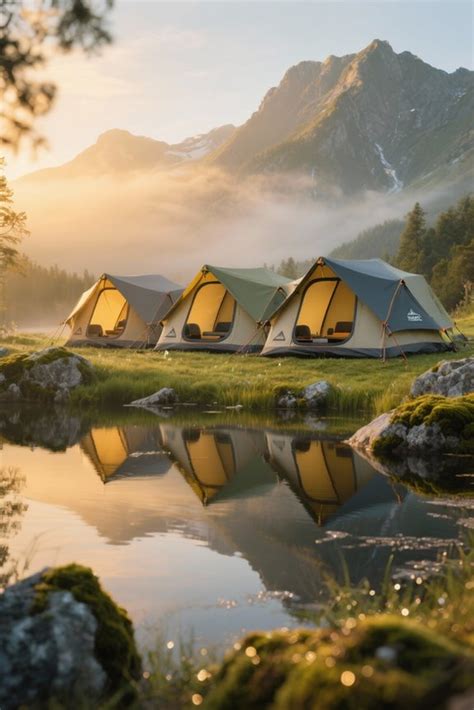
The term “house tent” or cabin tent refers to a structural design that mimics the vertical walls and pitched roofs of traditional architecture. Unlike aerodynamic dome tents that slope inward from the ground up, house tents utilize nearly straight walls that maximize the usable interior square footage. This architectural choice makes a tremendous difference in daily comfort, allowing adults to stand up fully to change clothes, stretch, or organize equipment without bending over or crawling across sleeping pads.
Beyond vertical walls, these shelters typically employ sturdy steel or aluminum frames rather than flexible fiberglass poles. This rigid skeletal structure supports the heavier canvas or polyester fabrics required for multi-room layouts and weather resistance. While the rigid frame adds weight and packed size during transport, it provides exceptional stability against winds when properly staked out. Understanding this structural difference helps campers choose a shelter that prioritizes livable interior space over ultra-lightweight backpacking efficiency.
Evaluating Real-World Capacity and Layouts
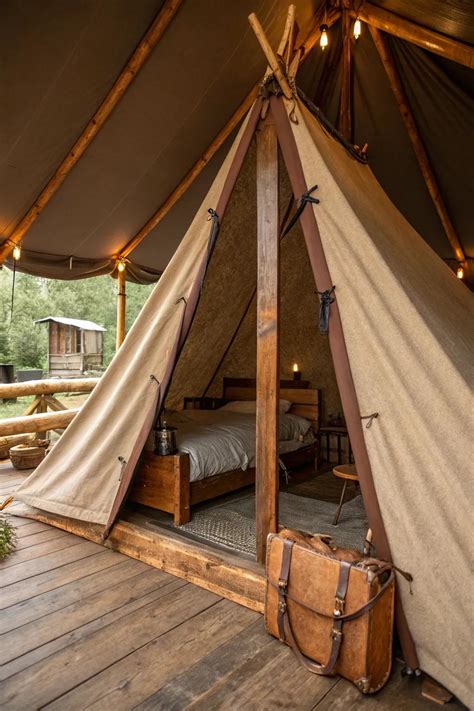
Tent capacity ratings provided by manufacturers generally calculate how many standard sleeping bags can fit side-by-side on the floor if every square inch is utilized. However, veteran campers know that a 9-person rating rarely means nine adults sleeping comfortably with personal gear, cots, and walking space. To make an informed decision, it helps to treat a 9-person house tent as a luxurious home for four to six people, or an efficient barracks-style setup for a larger scout troop or youth group.
Many modern house tents feature removable fabric room dividers that allow you to split the interior into two or three distinct zones. These dividers provide visual privacy and help separate sleeping quarters from communal gear storage or a designated mudroom area. When evaluating floor plans, look for multi-door configurations that allow family members to enter and exit without climbing over sleeping companions, reducing midnight disturbances and minimizing tracked-in dirt.
Weatherproofing and Durability Essentials
Investing in a large shelter means demanding high-level performance when the weather turns unpredictable during a weekend trip. Because house tents have high profiles and expansive wall surfaces, they catch more wind than low-profile dome tents. Look for models featuring robust guy-out points, heavy-duty stakes, and continuous pole sleeves that distribute wind stress evenly across the frame rather than concentrating pressure on isolated eyelets.
Water resistance is another critical consideration for family camping shelters. Inspect the tent specifications for factory-sealed seams, waterproof floor ratings, and a full-coverage rainfly that extends past the doors and windows. Single-wall cabin tents can sometimes suffer from condensation buildup in humid environments, making a well-designed double-wall system with mesh ceiling panels and adjustable ground vents essential for maintaining fresh airflow while keeping rain outside.
Mastering Setup and Transport Logistics

The physical effort required to transport, erect, and pack down a large multi-room shelter is an important practical trade-off to consider before making a purchase. A 9-person house tent is naturally heavier and bulkier than smaller tents, often requiring dedicated space in a vehicle trunk or roof box. Most models feature color-coded poles and pin-and-ring assembly systems designed to streamline the process, but pitching a large tent for the first time is always easier if you practice in your backyard before heading to the campsite.
For a smooth group camping experience, assign specific setup roles to different members of your party. One person can organize the poles while others clear the campsite ground of sharp rocks and debris. Taking your time to stake down every corner securely and tension the guy lines properly ensures that your shelter remains stable, dry, and comfortable throughout your outdoor adventure.
Frequently Asked Questions
What makes a house tent different from a traditional dome tent?
House tents feature near-vertical walls and high ceilings, mimicking the shape of a building interior. This design allows campers to stand up straight and use cots or tall storage furniture easily, whereas dome tents slope inward sharply, limiting usable headroom near the edges.
Does a 9-person tent actually fit nine people?
While manufacturers base capacity on maximum sleeping bag capacity without gear, a 9-person tent comfortably accommodates about four to six people when using cots, air mattresses, and storing personal luggage inside the shelter.
How difficult is it to set up a multi-room house tent?
Setup takes more time than a basic dome tent due to the heavier steel or fiberglass frame and larger fabric body. However, most models feature color-coded systems and clear instructions, making it manageable for two adults after a quick practice run.
What weather features should I look for in a large family tent?
Prioritize sturdy frame materials, a full-coverage rainfly, factory-sealed seams, and robust guy-out points. High-profile house tents need proper staking and guy lines to maintain stability during windy storms.